Garden Guide
Garden Guide for Stockholm, Stockholm Region
Stockholm is in climate zone 7a and benefits from the influence of the Baltic Sea, which makes winters milder than inland. Summers tend to be cool. The soil is often stony and can be clayey, but it can be well-prepared for cultivation with compost and sand.
In Stockholm (climate zone 7a), you can start sowing after the last frost in mid-April. You can pre-grow lettuce from March to September and harvest it from April to November. Sow radishes from April to September for a harvest from June to October. Carrots can be sown from April to July and harvested from July to November.
Also applies to: Uppsala, Södertälje, Västerås, Norrköping, Linköping
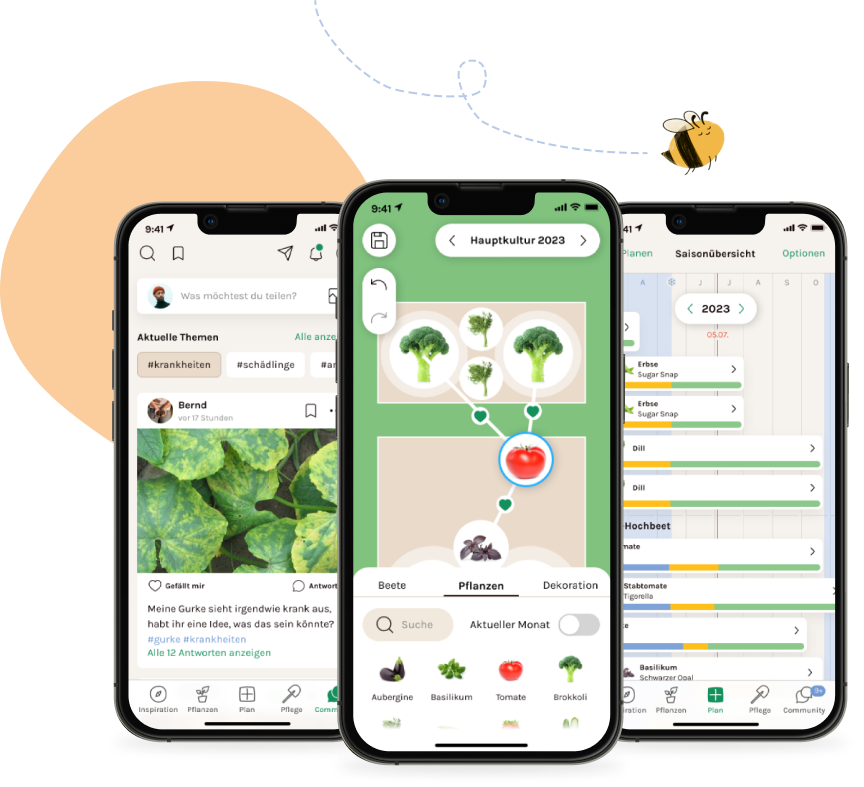
Plan your Stockholm garden in the Fryd appPlanting Calendar
When to start indoors, sow outdoors, and harvest in Stockholm.
| Crop | Jan | Feb | Mar | Apr | May | Jun | Jul | Aug | Sep | Oct | Nov | Dec |
|---|---|---|---|---|---|---|---|---|---|---|---|---|
| Carrots ●●● ●●○ ●○○ | |
|
|
|
|
|
|
|
||||
| Lettuce (Lettuce) ●●○ ●●○ ●●○ | |
|
|
|
|
|
|
|
|
|||
| Cucumber / Gherkin ●●● ●●○ ●●● | |
|
|
|
|
|
||||||
| Courgette / Zucchini ●●● ●●● ●●● | |
|
|
|
|
|
|
|||||
| Pepper / Paprika ●●● ●●○ ●●● | |
|
|
|
|
|
|
|||||
| Potato ●●● ●●○ ●●● | |
|
|
|
|
|
|
|
||||
| Radishes ●●● ●●○ ●○○ | |
|
|
|
|
|
|
|||||
| Tomato (Bush tomato) ●●● ●●○ ●●● | |
|
|
|
|
|
|
|
||||
| Tomato (Cocktail bush tomato) ●●● ●●○ ●●● | |
|
|
|
|
|
|
|
||||
| Onion ●●● ●●○ ●●○ | |
|
|
|
|
|
||||||
| Bean (Dwarf bean) ●●● ●●○ ●○○ | |
|
|
|
|
|
||||||
| Pea ●●● ●●○ ●○○ | |
|
|
|
|
|
|
|||||
| Basil ●●● ●●○ ●●● | |
|
|
|
|
|
|
|||||
| Beetroot ●●● ●●○ ●●○ | |
|
|
|
|
|
|
|
||||
| Strawberry ●●● ●●○ ●●● | |
|
|
|
|
|
|
|
||||
| Kohlrabi / German turnip / Turnip cabbage ●●● ●●○ ●●○ | |
|
|
|
|
|
|
|
||||
| Garlic ●●● ●●○ ●○○ | |
|
|
|
|
|
||||||
| Pumpkin / Squash ●●● ●●● ●●● | |
|
|
|
|
|||||||
| Broccoli ●●● ●●● ●●● | |
|
|
|
|
|
|
|
||||
| Common marigold ●●● ●○○ | |
|
|
|
|
|
|
|
|
Planting Calendar Stockholm
- Carrots: Sowing Apr - Jul, Harvest Jul - Nov (Light: high, Water: medium, Nutrients: low)
- Lettuce (Lettuce): Start indoors Mar - Sep, Sowing Apr - Oct, Harvest Apr - Nov (Light: medium, Water: medium, Nutrients: medium)
- Cucumber / Gherkin: Start indoors May - Jun, Sowing Jun - Jul, Harvest Jul - Oct (Light: high, Water: medium, Nutrients: high)
- Courgette / Zucchini: Start indoors Apr - Jun, Sowing Jun - Jul, Harvest Jul - Oct (Light: high, Water: high, Nutrients: high)
- Pepper / Paprika: Start indoors Mar - Apr, Sowing Jun - Jul, Harvest Aug - Oct (Light: high, Water: medium, Nutrients: high)
- Potato: Start indoors Mar - Apr, Sowing Apr - Jul, Harvest Jul - Oct (Light: high, Water: medium, Nutrients: high)
- Radishes: Sowing Apr - Sep, Harvest Jun - Oct (Light: high, Water: medium, Nutrients: low)
- Tomato (Bush tomato): Start indoors Mar - May, Sowing Jun - Jul, Harvest Jul - Oct (Light: high, Water: medium, Nutrients: high)
- Tomato (Cocktail bush tomato): Start indoors Mar - May, Sowing Jun - Jul, Harvest Jul - Oct (Light: high, Water: medium, Nutrients: high)
- Onion: Start indoors Feb - Mar, Sowing Mar - May, Harvest Aug - Sep (Light: high, Water: medium, Nutrients: medium)
- Bean (Dwarf bean): Start indoors May - Jun, Sowing Jun - Aug, Harvest Jul - Oct (Light: high, Water: medium, Nutrients: low)
- Pea: Sowing Apr - Jul, Harvest Jun - Oct (Light: high, Water: medium, Nutrients: low)
- Basil: Start indoors Apr - Aug, Sowing Jun - Aug, Harvest Jun - Oct (Light: high, Water: medium, Nutrients: high)
- Beetroot: Start indoors Mar - Apr, Sowing Apr - Jul, Harvest Jul - Oct (Light: high, Water: medium, Nutrients: medium)
- Strawberry: Start indoors Mar - May, Sowing Apr - Jul, Harvest Jun - Oct (Light: high, Water: medium, Nutrients: high)
- Kohlrabi / German turnip / Turnip cabbage: Start indoors Mar - Jun, Sowing Apr - Jul, Harvest Jun - Oct (Light: high, Water: medium, Nutrients: medium)
- Garlic: Sowing Sep - Nov, Harvest Jun - Aug (Light: high, Water: medium, Nutrients: low)
- Pumpkin / Squash: Start indoors May - Jun, Sowing Jun - Jul, Harvest Sep - Oct (Light: high, Water: high, Nutrients: high)
- Broccoli: Start indoors Mar - May, Sowing Jun - Jul, Harvest Jul - Oct (Light: high, Water: high, Nutrients: high)
- Common marigold: Start indoors Mar - May, Sowing May - Aug, Harvest Jul - Nov (Light: high, Nutrients: low)
Based on Fryd planting data for Zone 7a, 2026.
Companion Planting for Stockholm
Plants that thrive together in Stockholm Region.
Some plants grow better side by side: they keep pests away, improve the soil or make the most of the space.
 +
+
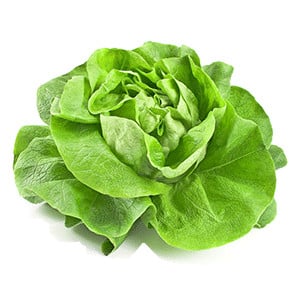
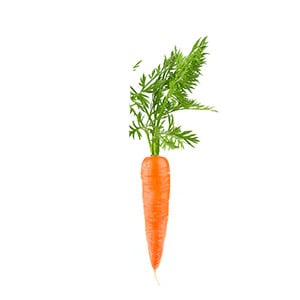
Lettuce covers the soil around your carrots, retains moisture, and protects against weeds as it grows quickly.
 +
+
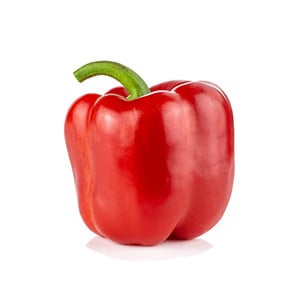
Cucumber / Gherkin + Pepper / Paprika
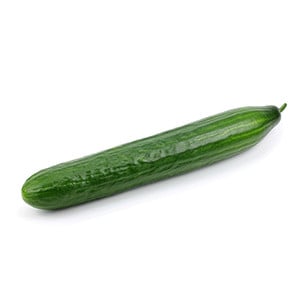
Your peppers and cucumbers have similar demands for light, water, and nutrients, and they thrive in high humidity.
 +
+
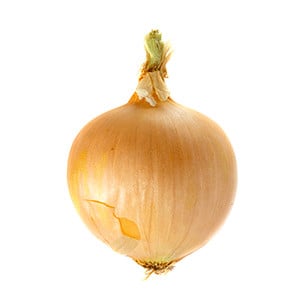
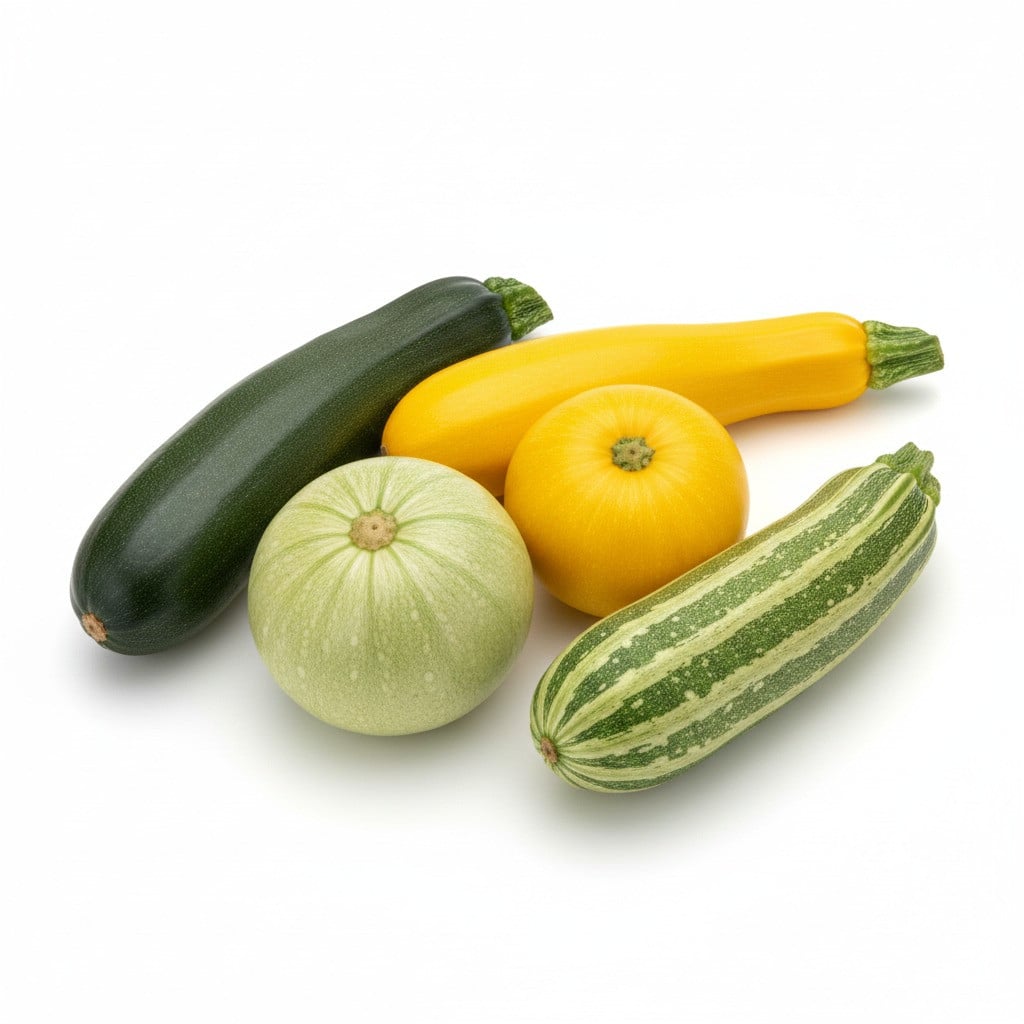
Your onions keep pests away from courgettes with their scent and help prevent powdery mildew.
 +
+
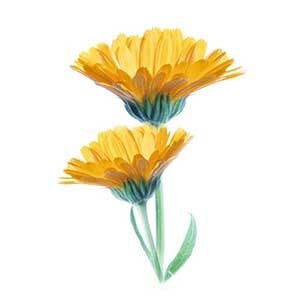
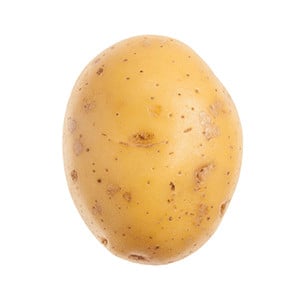
Potato + Common marigold
Potatoes and marigolds are good neighbours because marigolds contribute to soil health and keep nematodes away.
 +
+
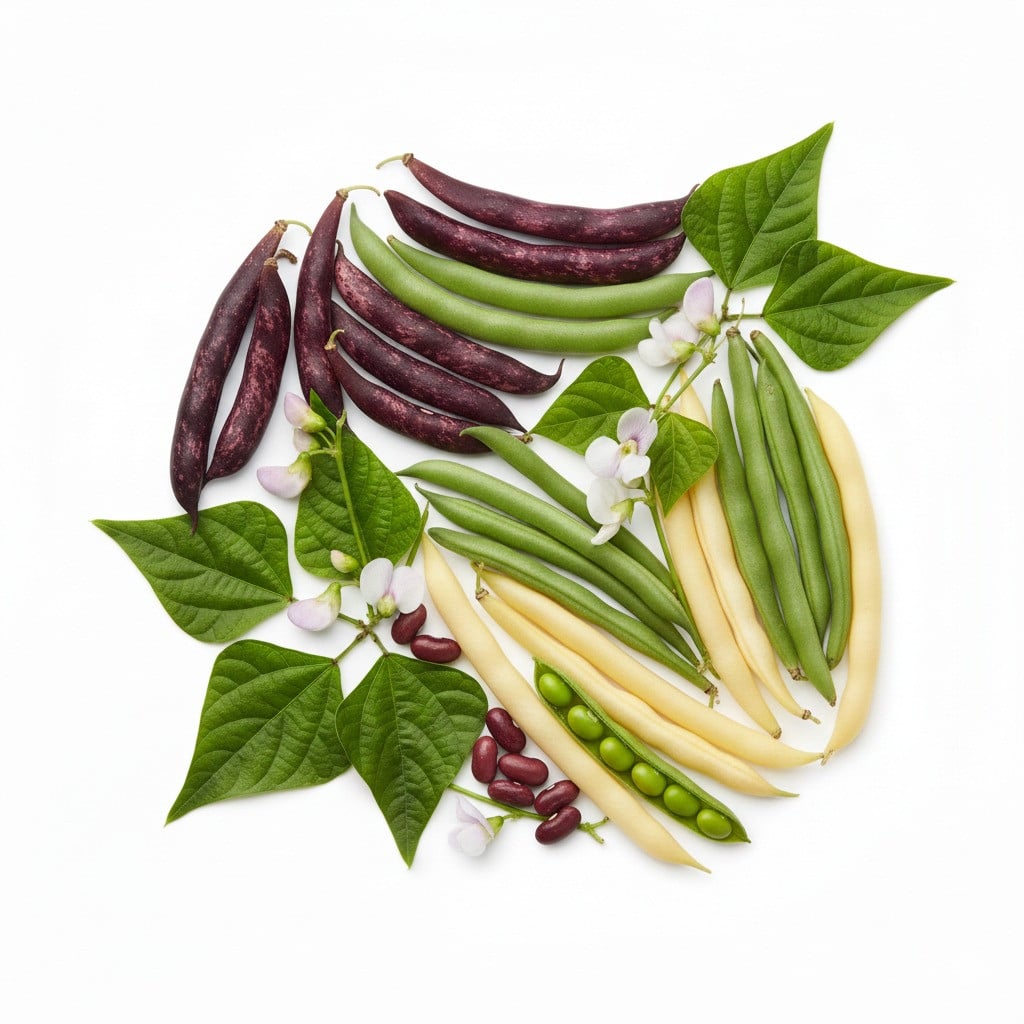
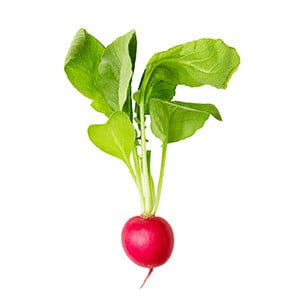
Radishes + Bean (Dwarf bean)
Radishes loosen the soil and make space for bush bean roots, which makes you both a great match.
Plan companions visually
Drag and drop crops in the Fryd bed planner to see companion matches.
Try Fryd →Growing Tips for Stockholm
Give Warm-Season Plants a Head Start
Many frost-sensitive plants like tomatoes, peppers, or pumpkins benefit from starting indoors in Stockholm. Begin sowing them indoors as early as March or April to give them a head start.
Improve Your Soil for a Bountiful Harvest
Loose, humus-rich, and well-draining soil is crucial. Before sowing or planting, work in plenty of compost to improve soil structure and ensure nutrient supply.
Ensure Consistent Moisture
Fast-growing crops like radishes or broccoli need a constant water supply. Make sure the soil is always moist but not waterlogged to prevent woody roots or stunted growth.
Protect Frost-Sensitive Crops
Plant frost-sensitive crops like beans, cucumbers, or courgette directly outdoors only from mid-May. Covering them with fleece can offer extra protection during unexpected cold snaps.
Common Pests & Diseases
Keep Snails and Slugs in Check
Snails and slugs are a common nuisance, especially in damp weather. Regularly pick them off, install slug fences, or use iron phosphate-based slug pellets to protect your young plants.
Combat Aphids
Aphids can multiply quickly. Rinse them off with a strong jet of water or encourage natural predators like ladybirds. A soapy water solution can help with heavy infestations.
Prevent Cabbage Root Flies
Cabbage root flies can damage kohlrabi and broccoli. Protect your plants with horticultural fleece or insect netting, installed immediately after planting, to prevent egg-laying.
Spot Potato Beetles Early
Regularly check your potato plants for potato beetles and their larvae. Hand-pick these pests to prevent their spread and secure your harvest.
Frequently Asked Questions
When can I plant tomatoes in Stockholm?
You should start tomato seeds indoors in Stockholm from March to May. They should only be moved outdoors after the last frost, typically from June onwards when temperatures are consistently warm. Harvesting then takes place from July to October.
What climate zone is Stockholm in, and what does that mean for my garden?
Stockholm is in climate zone 7a. This means you'll experience relatively mild winters and can grow a wide variety of plants. However, it's important to only plant frost-sensitive crops outdoors after mid-April.
Which vegetables grow particularly well in Stockholm?
Many cold-hardy vegetables thrive here, including lettuce, radishes, carrots, potatoes, kohlrabi, and peas. Strawberries and root vegetables are also excellent choices for a Stockholm garden.
When is the last frost expected in Stockholm?
The last frost in Stockholm is generally expected in mid-April. It's advisable to only plant frost-sensitive plants outdoors after this time to avoid damage.