Garden Guide
Garden Guide for Oslo, Eastern Norway
Oslo is in Hardiness Zone 6b and enjoys a temperate climate with relatively mild winters and cool summers, influenced by its proximity to the Oslofjord. The soil is often loamy and nutrient-rich, but can also have sandier or stonier areas. Good soil preparation with compost is especially important here to improve its structure and fertility.
In Oslo, Hardiness Zone 6b, you can start gardening after the last frost in mid-April and before the first frost at the end of October. Cold-hardy plants like lettuce can be started indoors from March to October and harvested from May to October. Radishes can be sown from April to September for a harvest from June to October, while potatoes can be chitted from March and harvested from June to October. Tomatoes are best started indoors from April to May for harvesting from August to October.
Also applies to: Drammen, Lillestrøm, Jessheim, Ski, Asker, Bærum
Plan your Oslo garden in the Fryd appPlanting Calendar
When to start indoors, sow outdoors, and harvest in Oslo.
| Crop | Jan | Feb | Mar | Apr | May | Jun | Jul | Aug | Sep | Oct | Nov | Dec |
|---|---|---|---|---|---|---|---|---|---|---|---|---|
| Carrots ●●● ●●○ ●○○ | |
|
|
|
|
|
||||||
| Lettuce (Lettuce) ●●○ ●●○ ●●○ | |
|
|
|
|
|
|
|
||||
| Cucumber / Gherkin ●●● ●●○ ●●● | |
|
|
|
|
|||||||
| Courgette / Zucchini ●●● ●●● ●●● | |
|
|
|
|
|
||||||
| Pepper / Paprika ●●● ●●○ ●●● | |
|
|
|
|
|
|
|
||||
| Potato ●●● ●●○ ●●● | |
|
|
|
|
|
|
|
||||
| Radishes ●●● ●●○ ●○○ | |
|
|
|
|
|
|
|||||
| Tomato (Bush tomato) ●●● ●●○ ●●● | |
|
|
|
|
|
|
|||||
| Tomato (Cocktail bush tomato) ●●● ●●○ ●●● | |
|
|
|
|
|
|
|||||
| Onion ●●● ●●○ ●●○ | |
|
|
|
|
|
||||||
| Bean (Dwarf bean) ●●● ●●○ ●○○ | |
|
|
|
|
|||||||
| Pea ●●● ●●○ ●○○ | |
|
|
|
|
|
|
|||||
| Basil ●●● ●●○ ●●● | |
|
|
|
|
|
|
|||||
| Beetroot ●●● ●●○ ●●○ | |
|
|
|
|
|
|
|
||||
| Strawberry ●●● ●●○ ●●● | |
|
|
|
|
|
|
|||||
| Kohlrabi / German turnip / Turnip cabbage ●●● ●●○ ●●○ | |
|
|
|
|
|
|
|||||
| Garlic ●●● ●●○ ●○○ | |
|
|
|
|
|
||||||
| Pumpkin / Squash ●●● ●●● ●●● | |
|
|
|
|
|||||||
| Broccoli ●●● ●●● ●●● | |
|
|
|
|
|
|
|
||||
| Common marigold ●●● ●○○ | |
|
|
|
|
|
|
Planting Calendar Oslo
- Carrots: Sowing Apr - Jun, Harvest Aug - Oct (Light: high, Water: medium, Nutrients: low)
- Lettuce (Lettuce): Start indoors Mar - Oct, Sowing Apr - Sep, Harvest May - Oct (Light: medium, Water: medium, Nutrients: medium)
- Cucumber / Gherkin: Start indoors May - Jul, Sowing Jun - Jul, Harvest Jul - Sep (Light: high, Water: medium, Nutrients: high)
- Courgette / Zucchini: Start indoors May - Jul, Sowing Jun - Jul, Harvest Aug - Oct (Light: high, Water: high, Nutrients: high)
- Pepper / Paprika: Start indoors Feb - Mar, Sowing May - Jun, Harvest Jul - Oct (Light: high, Water: medium, Nutrients: high)
- Potato: Start indoors Mar, Sowing Mar - Jun, Harvest Jun - Oct (Light: high, Water: medium, Nutrients: high)
- Radishes: Sowing Apr - Sep, Harvest Jun - Oct (Light: high, Water: medium, Nutrients: low)
- Tomato (Bush tomato): Start indoors Apr - May, Sowing Jun - Jul, Harvest Aug - Oct (Light: high, Water: medium, Nutrients: high)
- Tomato (Cocktail bush tomato): Start indoors Apr - May, Sowing Jun - Jul, Harvest Aug - Oct (Light: high, Water: medium, Nutrients: high)
- Onion: Start indoors Feb - Apr, Sowing Apr - May, Harvest Aug - Sep (Light: high, Water: medium, Nutrients: medium)
- Bean (Dwarf bean): Start indoors May - Jun, Sowing Jun - Aug, Harvest Aug - Sep (Light: high, Water: medium, Nutrients: low)
- Pea: Sowing Apr - Jul, Harvest Jun - Oct (Light: high, Water: medium, Nutrients: low)
- Basil: Start indoors Apr - Aug, Sowing Jun - Aug, Harvest Jun - Oct (Light: high, Water: medium, Nutrients: high)
- Beetroot: Start indoors Mar - Apr, Sowing Apr - Jul, Harvest Jul - Oct (Light: high, Water: medium, Nutrients: medium)
- Strawberry: Start indoors Mar - Jun, Sowing Apr - Jul, Harvest Jun - Sep (Light: high, Water: medium, Nutrients: high)
- Kohlrabi / German turnip / Turnip cabbage: Start indoors Apr - Jun, Sowing May - Jul, Harvest Jul - Oct (Light: high, Water: medium, Nutrients: medium)
- Garlic: Sowing Sep - Nov, Harvest Jun - Aug (Light: high, Water: medium, Nutrients: low)
- Pumpkin / Squash: Start indoors May - Jul, Sowing Jun - Jul, Harvest Sep - Oct (Light: high, Water: high, Nutrients: high)
- Broccoli: Start indoors Mar - May, Sowing Jun - Jul, Harvest Aug - Oct (Light: high, Water: high, Nutrients: high)
- Common marigold: Start indoors Apr - May, Sowing May - Aug, Harvest Jul - Oct (Light: high, Nutrients: low)
Based on Fryd planting data for Zone 6b, 2026.
Companion Planting for Oslo
Plants that thrive together in Eastern Norway.
Some plants grow better side by side: they keep pests away, improve the soil or make the most of the space.
 +
+
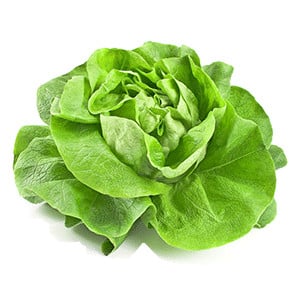
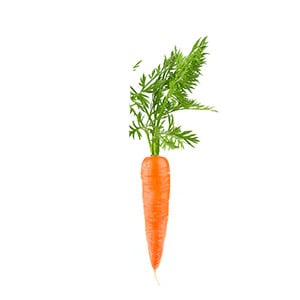
Lettuce covers the soil around your carrots, retains moisture, and protects against weeds as it grows quickly.
 +
+
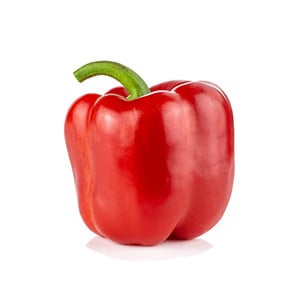
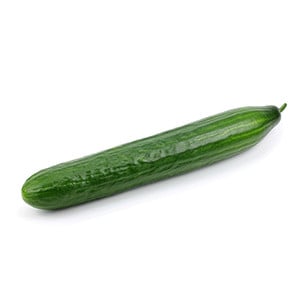
Cucumber / Gherkin + Pepper / Paprika
Your peppers and cucumbers have similar demands for light, water, and nutrients, and they thrive in high humidity.
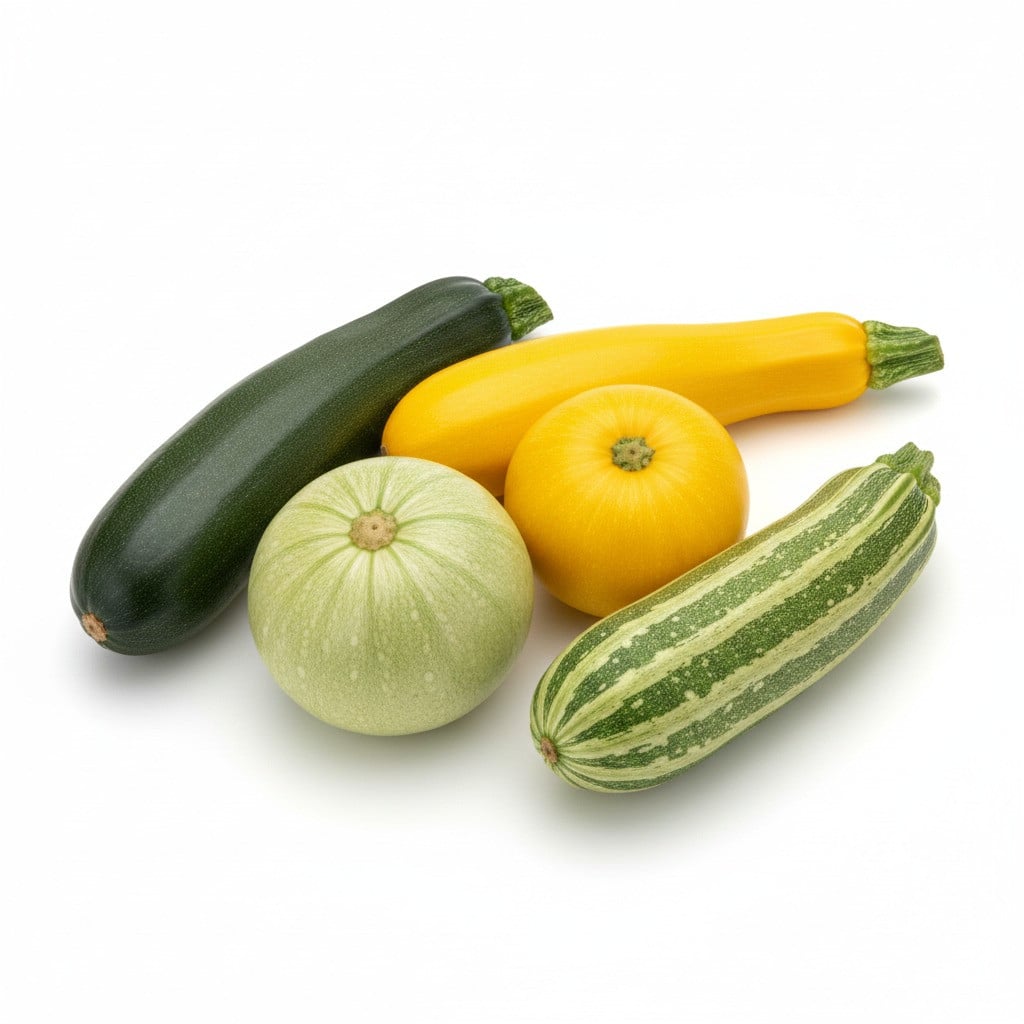 +
+
Your onions keep pests away from courgettes with their scent and help prevent powdery mildew.
 +
+

Potato + Common marigold
Potatoes and marigolds are good neighbours because marigolds contribute to soil health and keep nematodes away.
 +
+
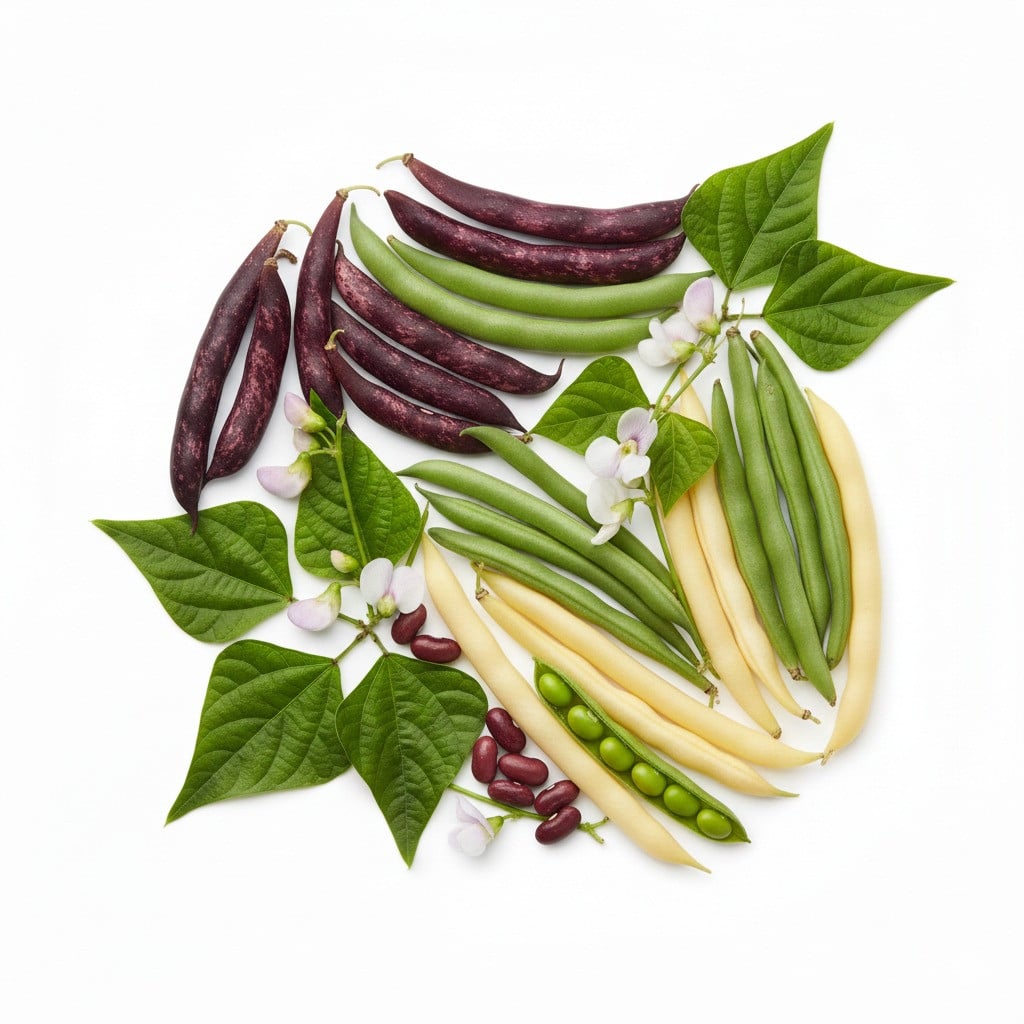
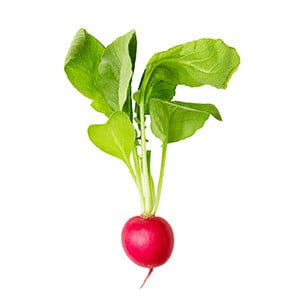
Radishes + Bean (Dwarf bean)
Radishes loosen the soil and make space for bush bean roots, which makes you both a great match.
Plan companions visually
Drag and drop crops in the Fryd bed planner to see companion matches.
Try Fryd →Growing Tips for Oslo
Give Warm-Season Crops a Head Start
For frost-sensitive plants like tomatoes (start indoors April to May), peppers (start indoors February to March), and squash (start indoors May to July), starting them indoors is crucial. This protects young plants from cool spring temperatures and ensures a strong start before they can be moved outdoors after mid-April.
Soil Care for Abundant Harvests
Ensure loose, humus-rich, and well-draining soil, especially for radishes and carrots, which can become woody if the soil is too dry. Regularly adding compost improves soil structure and nutrient supply, which is important for many crops like broccoli and potatoes.
Ensure Consistent Moisture
Many vegetables, including radishes, broccoli, and squash, need a consistent water supply to thrive. If dry, radishes can become woody, and broccoli and squash will suffer from stress. Always keep the soil moist, but avoid waterlogging.
Protect Frost-Sensitive Plants
Since the last frost in Oslo is typically mid-April and the first frost is at the end of October, you should only plant frost-sensitive plants like beans (sow June to August), cucumbers, or courgette outdoors from mid-May. In case of unexpected cold snaps, a fleece cover or other protection is advisable to safeguard your harvest.
Common Pests & Diseases
Keep Snails and Slugs in Check
Snails and slugs can become a problem, especially during damp periods. Regularly hand-pick them, set up slug traps, or use iron phosphate-based slug pellets. A barrier of sawdust or eggshells can also help protect your plants.
Naturally Combat Aphids
If you have an aphid infestation, you can spray the plants with a strong stream of water or use a soapy water solution. Encourage beneficial insects like ladybirds and lacewings in your garden, as they are natural predators of aphids.
Prevent Fungal Diseases
Ensure adequate plant spacing and good air circulation to prevent fungal diseases like powdery mildew. Always water plants at the base and avoid wetting the leaves, especially in the evening. Plant strengtheners like horsetail tea can make plants more resilient.
Crop Rotation for Healthy Soil
Practice crop rotation by not planting the same crops in the same spot every year. This prevents the spread of soil-borne diseases and pests and maintains long-term soil health and fertility.
Frequently Asked Questions
When should you plant tomatoes in Oslo?
Tomatoes are frost-sensitive and should only be planted outdoors in Oslo after mid-April. It's best to start them indoors from April to May to get strong young plants that you can then transplant outdoors from June. Harvesting then takes place from August to October.
What Hardiness Zone is Oslo in?
Oslo is in Hardiness Zone 6b. This means you can expect average annual minimum temperatures between -20.5 °C and -17.8 °C. This zone allows for growing a wide variety of vegetables and herbs.
Which vegetables grow well in Oslo?
Many cold-hardy vegetables thrive in Oslo. These include lettuce, radishes, carrots, onions, garlic, potatoes, kohlrabi, broccoli, peas, and beetroot. Strawberries are also a great choice for your garden.
When is the last frost in Oslo?
The last frost in Oslo is typically mid-April. It's advisable to only plant frost-sensitive plants like beans, cucumbers, or tomatoes outdoors after this date to avoid damage.