Garden Guide
Garden Guide for Johannesburg, Gauteng
Johannesburg is located on the Highveld and has a subtropical highland climate with warm, humid summers and dry, sunny winters. The soils are often loamy-sandy and benefit from a good supply of humus to improve water retention capacity. Watch out for strong summer thunderstorms, which can affect your watering needs.
In Johannesburg (Climate Zone 9b), the main planting season kicks off after the last frost in mid-August. For example, you can start garden lettuce indoors from July to January and sow it outdoors from August to February, harvesting from September to June. Radishes are best sown from August to March for a harvest from October to May, while tomatoes (salad tomatoes) are started indoors from August to September and transplanted outdoors from October to November, ready for harvest from December to May.
Also applies to: Pretoria, Soweto, Centurion, Midrand, Germiston, Benoni
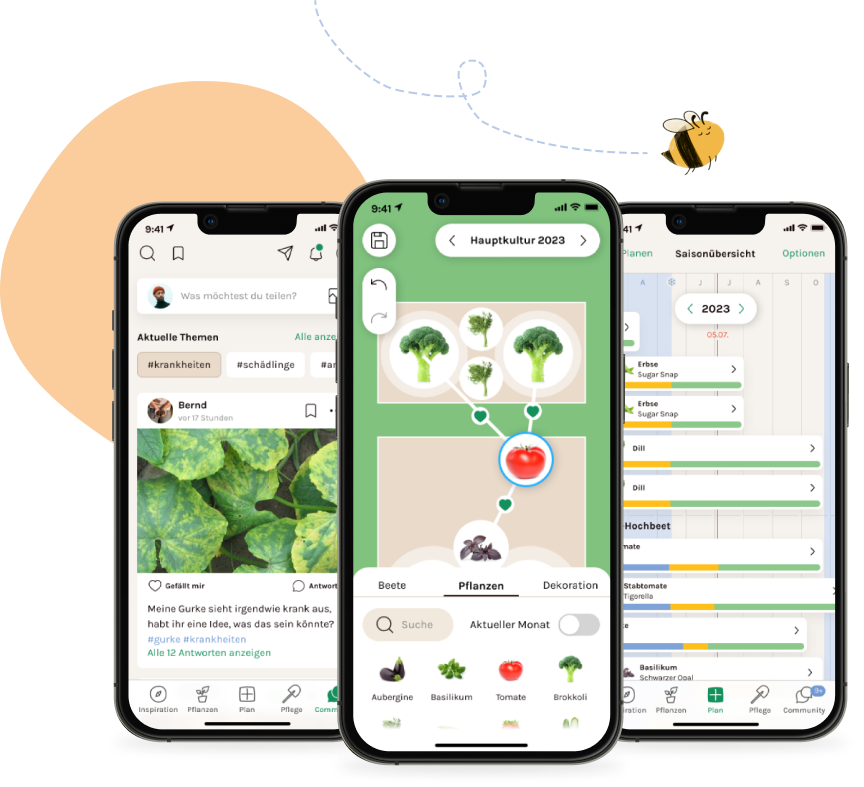
Plan your Johannesburg garden in the Fryd appPlanting Calendar
When to start indoors, sow outdoors, and harvest in Johannesburg.
| Crop | Jan | Feb | Mar | Apr | May | Jun | Jul | Aug | Sep | Oct | Nov | Dec |
|---|---|---|---|---|---|---|---|---|---|---|---|---|
| Tomato (Bush tomato) ●●● ●●○ ●●● | |
|
|
|
|
|
|
|
|
|
||
| Tomato (Cocktail bush tomato) ●●● ●●○ ●●● | |
|
|
|
|
|
|
|
|
|
||
| Pepper / Paprika ●●● ●●○ ●●● | |
|
|
|
|
|
|
|
|
|
||
| Cucumber / Gherkin ●●● ●●○ ●●● | |
|
|
|
|
|
|
|
|
|||
| Courgette / Zucchini ●●● ●●● ●●● | |
|
|
|
|
|
|
|
|
|||
| Carrots ●●● ●●○ ●○○ | |
|
|
|
|
|
|
|
|
|
|
|
| Lettuce (Lettuce) ●●○ ●●○ ●●○ | |
|
|
|
|
|
|
|
|
|
|
|
| Strawberry ●●● ●●○ ●●● | |
|
|
|
|
|
|
|
|
|
|
|
| Onion ●●● ●●○ ●●○ | |
|
|
|
|
|
|
|
|
|||
| Garlic ●●● ●●○ ●○○ | |
|
|
|
|
|||||||
| Bean (Dwarf bean) ●●● ●●○ ●○○ | |
|
|
|
|
|
|
|
|
|||
| Bean (Runner bean) ●●● ●●○ ●○○ | |
|
|
|
|
|
|
|
|
|||
| Basil ●●● ●●○ ●●● | |
|
|
|
|
|
|
|
|
|
||
| Chard ●●○ ●●○ ●●○ | |
|
|
|
|
|
|
|
|
|
|
|
| Spinach (Summer) ●○○ ●●● ●●○ | |
|
|
|
|
|
|
|||||
| Onion (Spring onion) ●●● ●●○ ●●○ | |
|
|
|
|
|
|
|
|
|
|
|
| Beetroot ●●● ●●○ ●●○ | |
|
|
|
|
|
|
|
|
|||
| Radishes ●●● ●●○ ●○○ | |
|
|
|
|
|
|
|
|
|
||
| Leeks ●●○ ●●○ ●●● | |
|
|
|
|
|
|
|
||||
| Aubergine / Eggplant ●●● ●●● ●●● | |
|
|
|
|
|
|
|
|
Planting Calendar Johannesburg
- Tomato (Bush tomato): Start indoors Aug - Sep, Sowing Oct - Nov, Harvest Jan - Dec (Light: high, Water: medium, Nutrients: high)
- Tomato (Cocktail bush tomato): Start indoors Aug - Sep, Sowing Oct - Nov, Harvest Jan - Dec (Light: high, Water: medium, Nutrients: high)
- Pepper / Paprika: Start indoors Jul - Aug, Sowing Oct - Nov, Harvest Jan - Dec (Light: high, Water: medium, Nutrients: high)
- Cucumber / Gherkin: Start indoors Sep - Oct, Sowing Oct - Nov, Harvest Jan - Dec (Light: high, Water: medium, Nutrients: high)
- Courgette / Zucchini: Start indoors Sep - Oct, Sowing Oct - Nov, Harvest Jan - Dec (Light: high, Water: high, Nutrients: high)
- Carrots: Sowing Aug - Nov, Harvest Jan - Dec (Light: high, Water: medium, Nutrients: low)
- Lettuce (Lettuce): Start indoors Jan - Dec, Sowing Jan - Dec, Harvest Jan - Dec (Light: medium, Water: medium, Nutrients: medium)
- Strawberry: Start indoors Jul - Oct, Sowing Aug - Nov, Harvest Jan - Dec (Light: high, Water: medium, Nutrients: high)
- Onion: Start indoors Jun - Jul, Sowing Aug - Sep, Harvest Jan - Dec (Light: high, Water: medium, Nutrients: medium)
- Garlic: Sowing Feb - Apr, Harvest Jan - Dec (Light: high, Water: medium, Nutrients: low)
- Bean (Dwarf bean): Start indoors Sep - Oct, Sowing Oct - Dec, Harvest Jan - Dec (Light: high, Water: medium, Nutrients: low)
- Bean (Runner bean): Start indoors Sep - Oct, Sowing Oct - Dec, Harvest Jan - Dec (Light: high, Water: medium, Nutrients: low)
- Basil: Start indoors Aug - Dec, Sowing Oct - Dec, Harvest Jan - Dec (Light: high, Water: medium, Nutrients: high)
- Chard: Start indoors Jun - Sep, Sowing Sep - Nov, Harvest Jan - Dec (Light: medium, Water: medium, Nutrients: medium)
- Spinach (Summer): Sowing Aug - Oct, Harvest Jan - Dec (Light: low, Water: high, Nutrients: medium)
- Onion (Spring onion): Start indoors Jan - Dec, Sowing Feb, Harvest May - Nov (Light: high, Water: medium, Nutrients: medium)
- Beetroot: Start indoors Sep, Sowing Sep - Dec, Harvest Jan - Dec (Light: high, Water: medium, Nutrients: medium)
- Radishes: Sowing Jan - Dec, Harvest Jan - Dec (Light: high, Water: medium, Nutrients: low)
- Leeks: Start indoors Aug - Sep, Sowing Sep - Oct, Harvest Mar - Jul (Light: medium, Water: medium, Nutrients: high)
- Aubergine / Eggplant: Start indoors Aug - Oct, Sowing Oct - Nov, Harvest Jan - Dec (Light: high, Water: high, Nutrients: high)
Based on Fryd planting data for Zone 9b, 2026.
Companion Planting for Johannesburg
Plants that thrive together in Gauteng.
Some plants grow better side by side: they keep pests away, improve the soil or make the most of the space.
 +
+
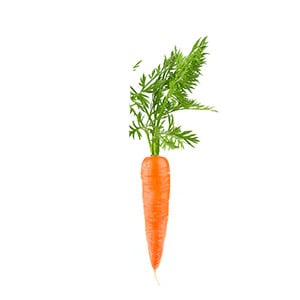
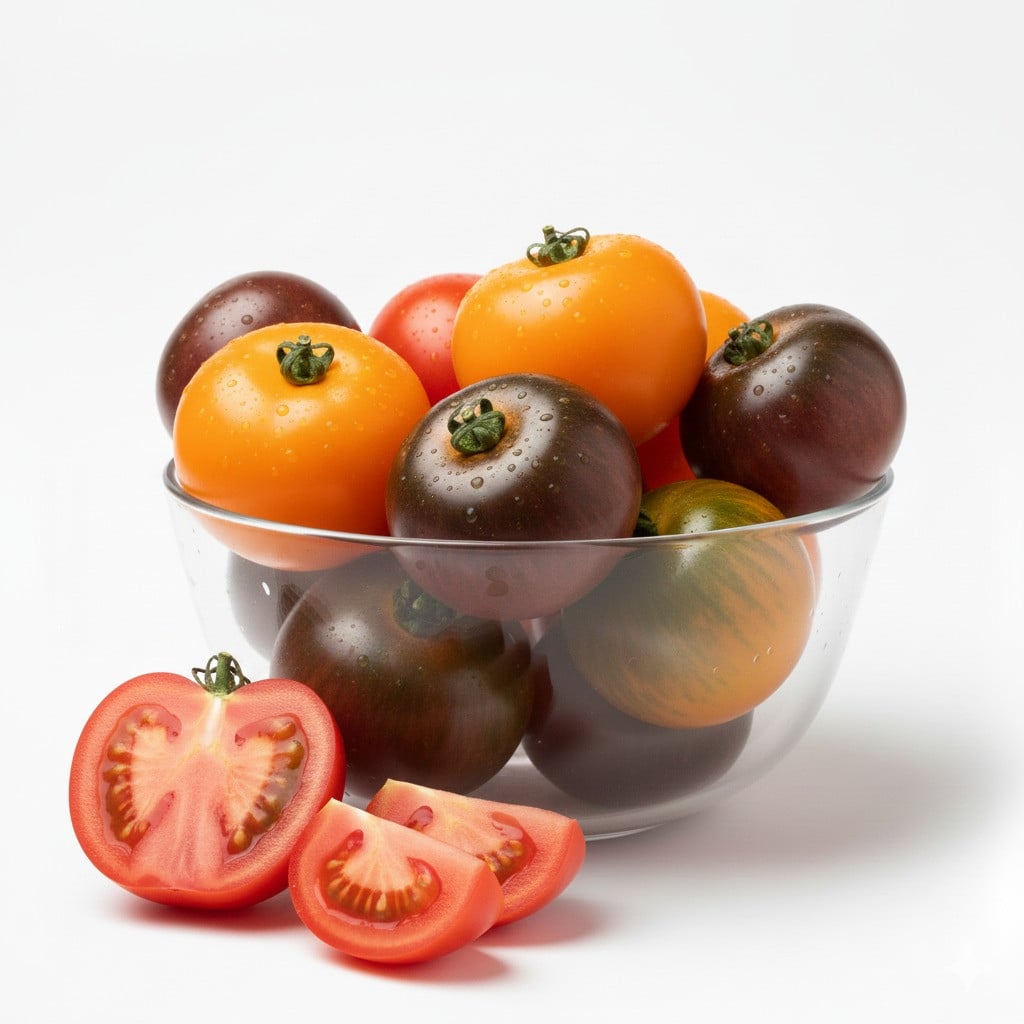
Tomato (Bush tomato) + Carrots
Carrots loosen the soil and act like a drainage system, which is good for tomatoes, as you don't like waterlogging.
 +
+
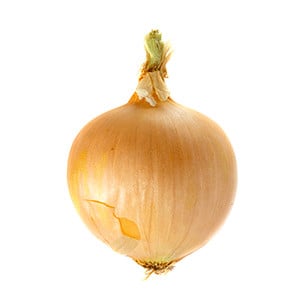
Tomato (Cocktail bush tomato) + Onion
Onions keep whiteflies and voles away from tomatoes, and you have different root depths, which avoids nutrient competition.
 +
+
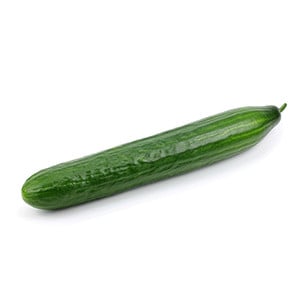
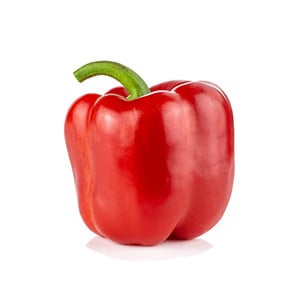
Pepper / Paprika + Cucumber / Gherkin
Your peppers and cucumbers have similar demands for light, water, and nutrients, and they thrive in high humidity.
 +
+
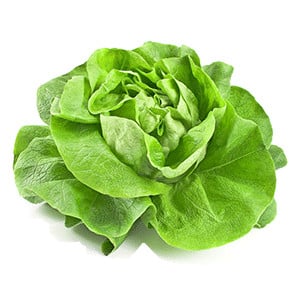
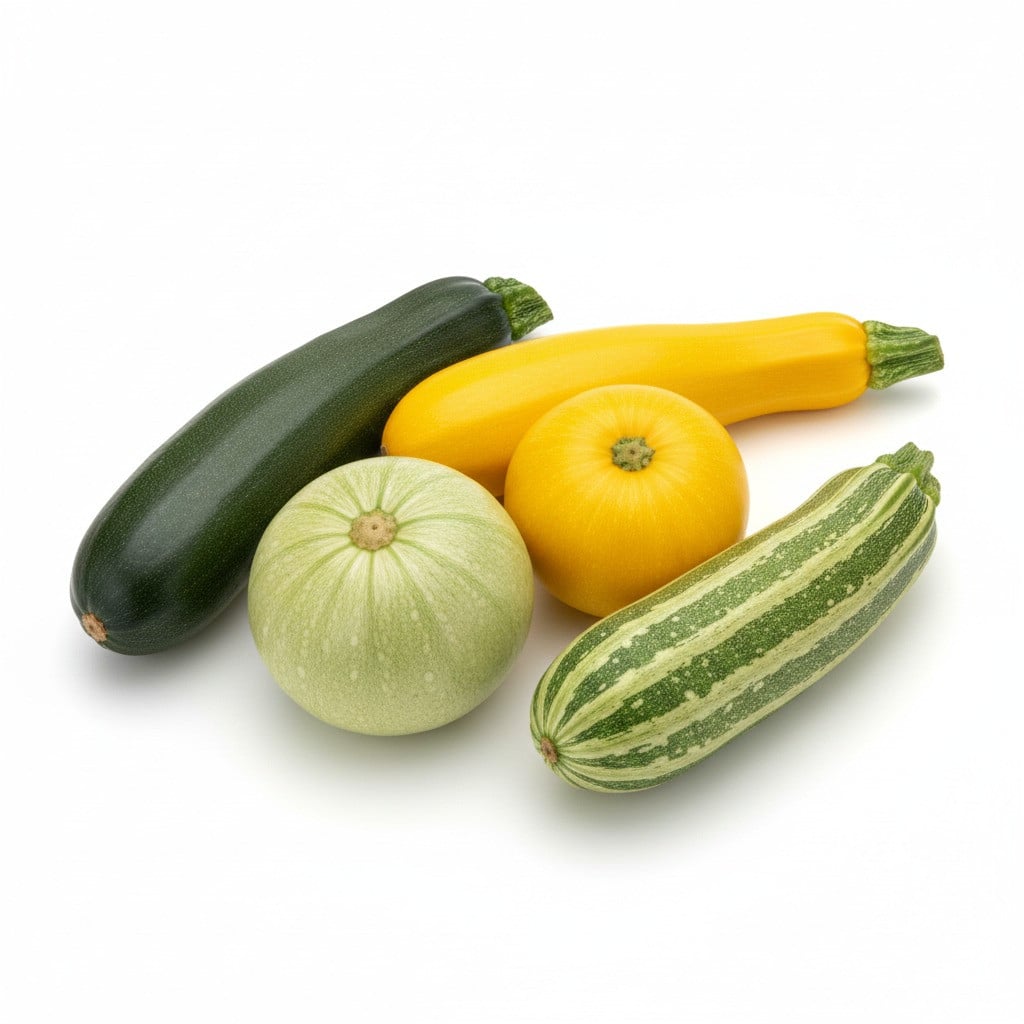
Courgette / Zucchini + Lettuce (Lettuce)
Lettuce covers the soil at the base of courgettes, acting like a mulch layer and making optimal use of the space.
 +
+
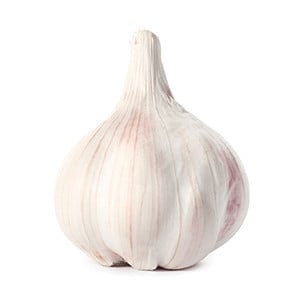
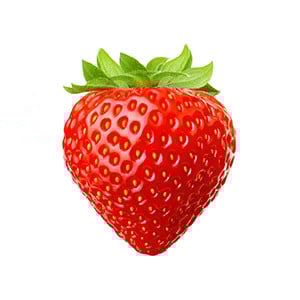
Strawberry + Garlic
Garlic, with its scent, keeps mites, bacteria, fungi, insects, and mice away from strawberries, and you complement each other in growth habit and root depth.
Plan companions visually
Drag and drop crops in the Fryd bed planner to see companion matches.
Try Fryd →Growing Tips for Johannesburg
Soil Preparation for Bountiful Harvests
Many crops like radishes and onions prefer loose, humus-rich, and well-draining soil. Regularly improve your soil structure with compost to prevent waterlogging and optimise nutrient supply. This encourages healthy root growth and strong plants.
Consistent Watering is Key
Plants like spinach, cucumbers, and radishes need a consistent and adequate water supply, especially during dry spells. For radishes, this prevents woody or pungent roots, while cucumbers and spinach quickly suffer from lack of water. Make sure to keep the soil moist, but not soggy.
Protecting Frost-Sensitive Plants
Crops like courgette, beans, aubergines, and basil are sensitive to frost and should only be moved outdoors after the last frost in mid-August. Start these plants indoors in September/October, then transplant them out in October/November. This way, you protect them from cold damage and ensure a good harvest.
Starting Seeds Indoors for a Head Start
Many vegetables like garden lettuce, Swiss chard, and tomatoes benefit from starting seeds indoors or in a greenhouse. This allows for an earlier start to the season and protects young plants from unfavourable weather conditions. Pay attention to recommended germination temperatures and use a fine seed-starting mix.
Common Pests & Diseases
Identifying and Combating Aphids
Aphids are small, often green or black insects that settle on young shoots and the undersides of leaves. Spray affected plants with a soapy solution or introduce beneficial insects like ladybird larvae. Regular checks help to detect a heavy infestation early.
Keeping Snails and Slugs in Check
Snails and slugs love to munch on young leaves and seedlings, especially after rain. Hand-pick them in the evenings or set up beer traps. A slug fence or scattering sawdust can also help protect your plants.
Preventing Powdery Mildew
Powdery mildew appears as a white, powdery coating on leaves and stems, often in humid weather. Ensure good air circulation between plants and choose resistant varieties. If infected, you can use a milk-and-water mixture as a spray.
Controlling Whiteflies
Whiteflies are small, white insects that often hide on the undersides of leaves and fly up when disturbed. Yellow sticky traps can help catch them, and regular spraying with neem oil can reduce infestations. Ensure good ventilation, especially in protected growing environments.
Frequently Asked Questions
When should I plant tomatoes in Johannesburg?
For tomatoes (salad tomatoes), it's best to start them indoors from August to September and transplant them outdoors from October to November. Harvesting then begins from December to May. Make sure to place them in a sunny, warm, and sheltered spot.
What climate zone is Johannesburg for gardening?
Johannesburg is in Climate Zone 9b. This means you can grow a wide variety of plants, but you'll need to protect frost-sensitive crops before the last frost in mid-August and account for the dry winters.
Which vegetables grow particularly well in Johannesburg?
Many crops thrive here! These include garden lettuce (sow August-February), radishes (sow August-March), carrots (sow August-November), and also heat-loving plants like courgette (sow October-November) and tomatoes (sow October-November). Strawberries (harvest October-May) are also a great choice.
When is the last frost in Johannesburg?
The last frost in Johannesburg is typically in mid-August. After that, you can safely plant frost-sensitive plants outdoors. The first frost usually occurs in mid-June, marking the start of the winter months.