Garden Guide
Garden Guide for Durban, KwaZulu-Natal Coastal Region
Durban enjoys a subtropical climate with high temperatures and humidity year-round. Soils are often sandy but can also have some clay content, and they benefit greatly from adding compost and organic matter to improve fertility and water retention. The region is virtually frost-free, allowing for year-round cultivation.
In Durban, USDA Hardiness Zone 12a, you can garden year-round as it's virtually frost-free. For example, you can start lettuce indoors from July to January and harvest from September to April. For salad tomatoes, start them indoors from August to September and harvest from December to March. Courgettes can be started indoors from September to October and harvested from December to March, while strawberries are started indoors from July to October and harvested from October to March.
There is practically no frost in Durban. You can garden year-round, the calendar shows the most reliable growing windows.
Also applies to: Umhlanga, Amanzimtoti, Ballito, Richards Bay, Port Shepstone
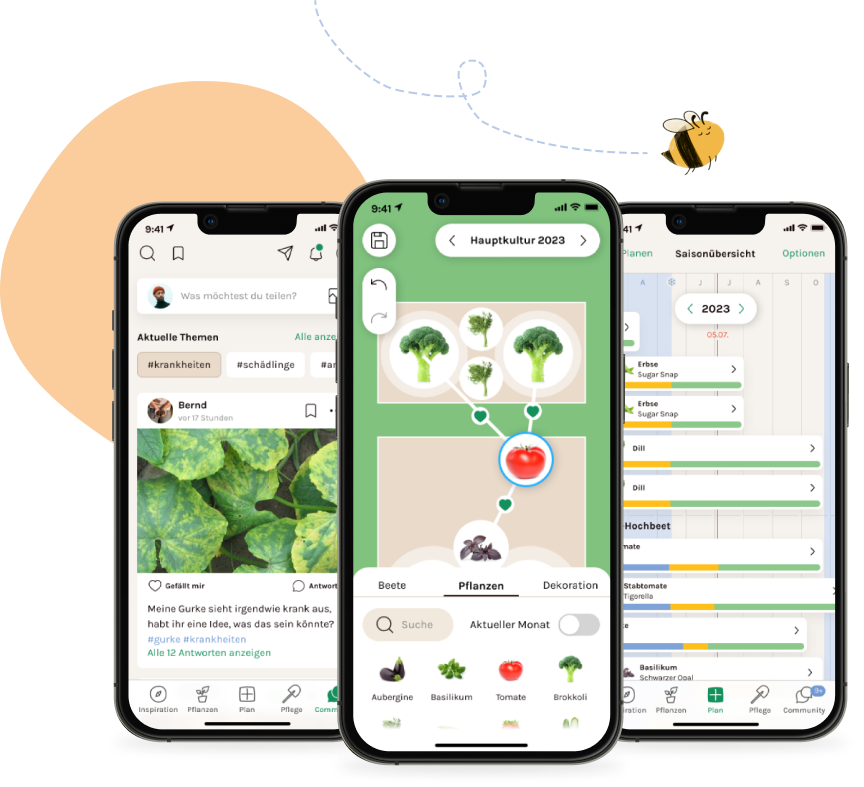
Plan your Durban garden in the Fryd appPlanting Calendar
When to start indoors, sow outdoors, and harvest in Durban. Frost-free climate: the windows are a guide, many crops can be sown beyond them too.
| Crop | Jan | Feb | Mar | Apr | May | Jun | Jul | Aug | Sep | Oct | Nov | Dec |
|---|---|---|---|---|---|---|---|---|---|---|---|---|
| Tomato (Bush tomato) ●●● ●●○ ●●● | |
|
|
|
|
|
|
|
||||
| Tomato (Cocktail bush tomato) ●●● ●●○ ●●● | |
|
|
|
|
|
|
|
||||
| Pepper / Paprika ●●● ●●○ ●●● | |
|
|
|
|
|
|
|
||||
| Cucumber / Gherkin ●●● ●●○ ●●● | |
|
|
|
|
|
|
|||||
| Courgette / Zucchini ●●● ●●● ●●● | |
|
|
|
|
|
|
|||||
| Aubergine / Eggplant ●●● ●●● ●●● | |
|
|
|
|
|
|
|||||
| Lettuce (Lettuce) ●●○ ●●○ ●●○ | |
|
|
|
|
|
|
|
|
|
||
| Chard ●●○ ●●○ ●●○ | |
|
|
|
|
|
|
|
|
|
|
|
| Spinach (Summer) ●○○ ●●● ●●○ | |
|
|
|
|
|||||||
| Sweet potato ●●● ●●○ ●●● | |
|
|
|
|
|||||||
| Strawberry ●●● ●●○ ●●● | |
|
|
|
|
|
|
|
|
|||
| Basil ●●● ●●○ ●●● | |
|
|
|
|
|
|
|
||||
| Parsley ●●○ ●●○ ●●○ | |
|
|
|
|
|
|
|
|
|
|
|
| Chives ●●● ●●● ●●○ | |
|
|
|
|
|
|
|
|
|||
| Garlic ●●● ●●○ ●○○ | |
|
|
|
|
|||||||
| Onion ●●● ●●○ ●●○ | |
|
|
|
|
|
|
|||||
| Onion (Spring onion) ●●● ●●○ ●●○ | |
|
|
|
|
|
|
|
|
|
||
| Bean (Dwarf bean) ●●● ●●○ ●○○ | |
|
|
|
|
|
|
|||||
| Bean (Runner bean) ●●● ●●○ ●○○ | |
|
|
|
|
|
|
|||||
| Chili ●●● ●●○ ●●● | |
|
|
|
|
|
|
|
|
Planting Calendar Durban
- Tomato (Bush tomato): Start indoors Aug - Sep, Sowing Oct - Nov, Harvest Jan - Dec (Light: high, Water: medium, Nutrients: high)
- Tomato (Cocktail bush tomato): Start indoors Aug - Sep, Sowing Oct - Nov, Harvest Jan - Dec (Light: high, Water: medium, Nutrients: high)
- Pepper / Paprika: Start indoors Jul - Aug, Sowing Oct - Nov, Harvest Jan - Dec (Light: high, Water: medium, Nutrients: high)
- Cucumber / Gherkin: Start indoors Sep - Oct, Sowing Oct - Nov, Harvest Jan - Dec (Light: high, Water: medium, Nutrients: high)
- Courgette / Zucchini: Start indoors Sep - Oct, Sowing Oct - Nov, Harvest Jan - Dec (Light: high, Water: high, Nutrients: high)
- Aubergine / Eggplant: Start indoors Aug - Oct, Sowing Oct - Nov, Harvest Jan - Dec (Light: high, Water: high, Nutrients: high)
- Lettuce (Lettuce): Start indoors Jan - Dec, Sowing Jan - Dec, Harvest Jan - Dec (Light: medium, Water: medium, Nutrients: medium)
- Chard: Start indoors Jun - Sep, Sowing Sep - Nov, Harvest Jan - Dec (Light: medium, Water: medium, Nutrients: medium)
- Spinach (Summer): Sowing Aug - Oct, Harvest Sep - Dec (Light: low, Water: high, Nutrients: medium)
- Sweet potato: Start indoors Sep - Oct, Sowing Oct - Nov, Harvest Feb - Mar (Light: high, Water: medium, Nutrients: high)
- Strawberry: Start indoors Jul - Oct, Sowing Aug - Nov, Harvest Jan - Dec (Light: high, Water: medium, Nutrients: high)
- Basil: Start indoors Aug - Dec, Sowing Oct - Dec, Harvest Jan - Dec (Light: high, Water: medium, Nutrients: high)
- Parsley: Start indoors Jan - Dec, Sowing Jan - Dec, Harvest Jan - Dec (Light: medium, Water: medium, Nutrients: medium)
- Chives: Start indoors Aug - Oct, Sowing Sep - Nov, Harvest Jan - Dec (Light: high, Water: high, Nutrients: medium)
- Garlic: Sowing Feb - Apr, Harvest Jan - Dec (Light: high, Water: medium, Nutrients: low)
- Onion: Start indoors Jun - Jul, Sowing Aug - Sep, Harvest Jan - Dec (Light: high, Water: medium, Nutrients: medium)
- Onion (Spring onion): Start indoors Jan - Dec, Sowing Feb - May, Harvest May - Sep (Light: high, Water: medium, Nutrients: medium)
- Bean (Dwarf bean): Start indoors Sep - Oct, Sowing Oct - Dec, Harvest Jan - Dec (Light: high, Water: medium, Nutrients: low)
- Bean (Runner bean): Start indoors Sep - Oct, Sowing Oct - Dec, Harvest Jan - Dec (Light: high, Water: medium, Nutrients: low)
- Chili: Start indoors Jun - Aug, Sowing Oct - Dec, Harvest Jan - Dec (Light: high, Water: medium, Nutrients: high)
Based on Fryd planting data for Zone 12a, 2026.
Companion Planting for Durban
Plants that thrive together in KwaZulu-Natal Coastal Region.
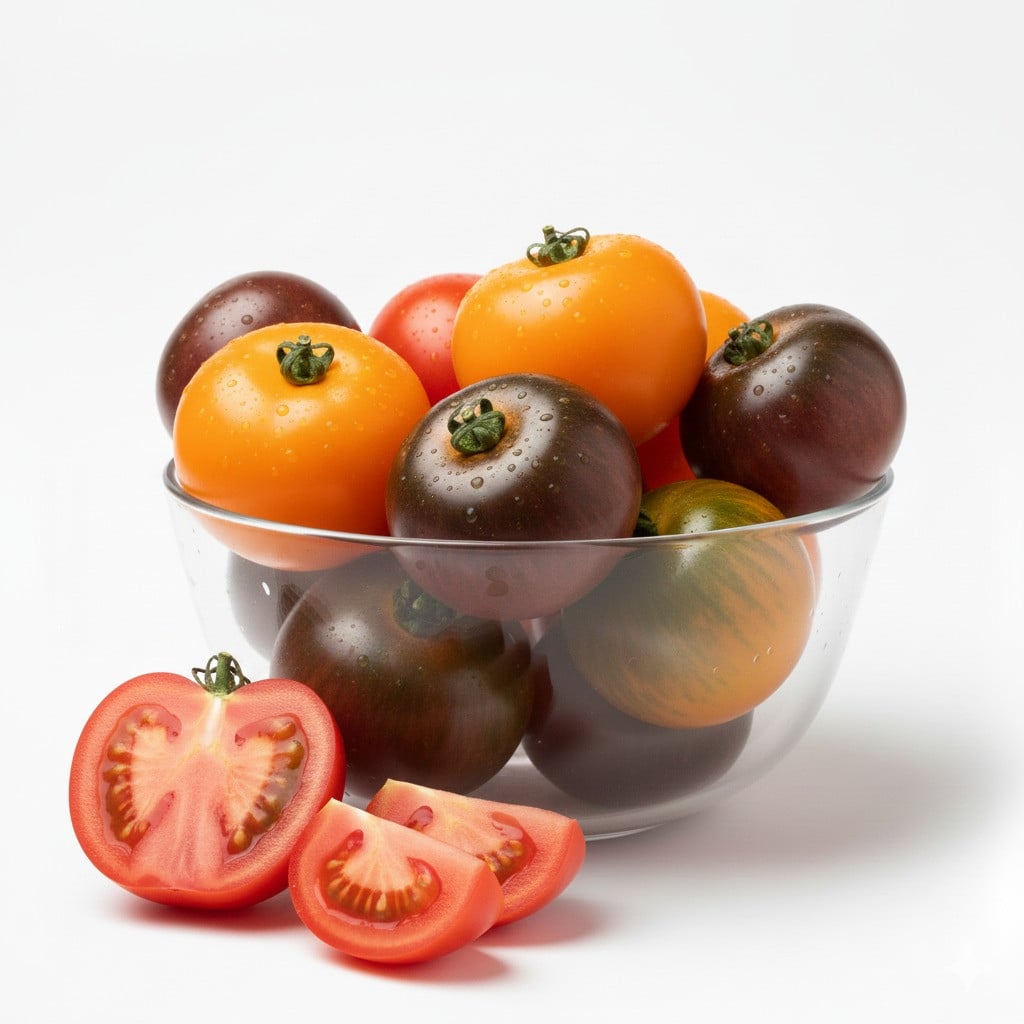
Some plants grow better side by side: they keep pests away, improve the soil or make the most of the space.
 +
+
Your onions help keep pests like whiteflies at bay and enhance the flavour of your tomatoes.
 +
+
Tomato (Cocktail bush tomato) + Pepper / Paprika
Tomatoes and peppers make excellent companions as their nutrient requirements are similar, and they both thrive in plenty of warmth and sunshine.
 +
+
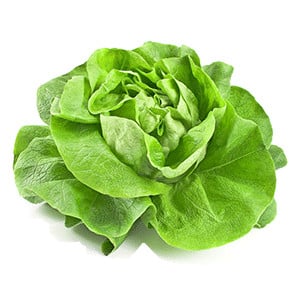
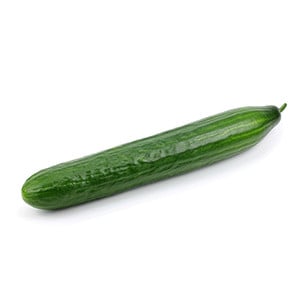
Cucumber / Gherkin + Lettuce (Lettuce)
Lettuce covers the soil around cucumbers, reducing water evaporation, and you have different root depths.
 +
+
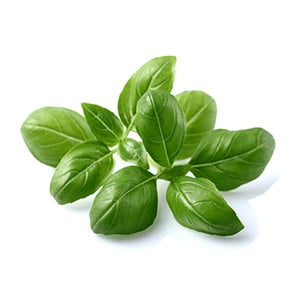
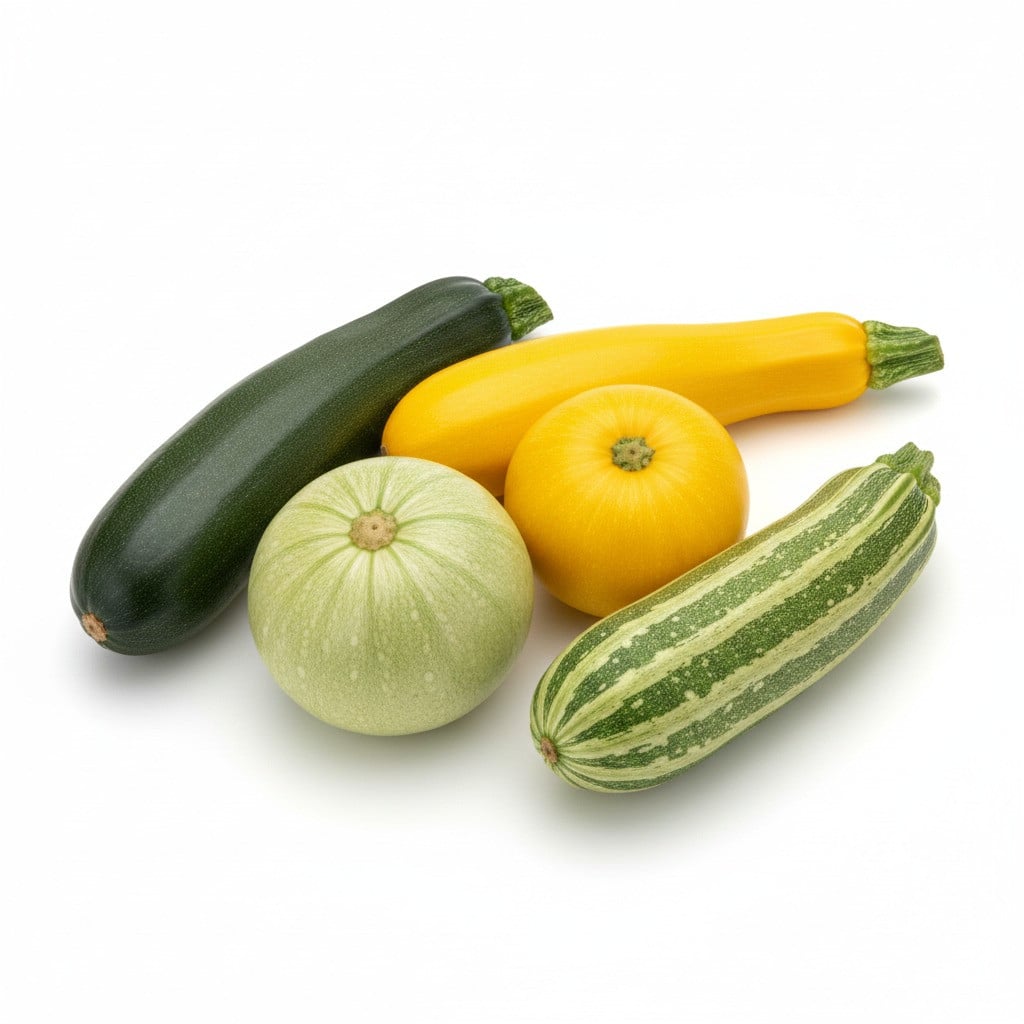
Basil keeps powdery mildew, whiteflies, and aphids away from courgettes, thus promoting your health.
 +
+
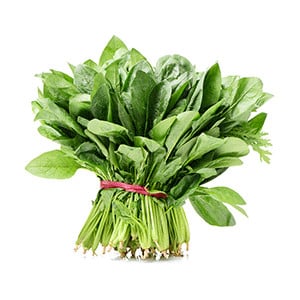
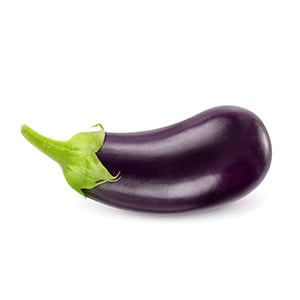
Aubergine / Eggplant + Spinach (Summer)
Spinach is a light feeder and complements aubergines well in the garden bed, as you have different nutrient needs.
Plan companions visually
Drag and drop crops in the Fryd bed planner to see companion matches.
Try Fryd →Growing Tips for Durban
Starting Seeds Indoors for a Great Start
Many plants, like lettuce (July to January) and Swiss chard (June to September), benefit from starting seeds indoors. This ensures a strong start and protects young plants from extreme conditions. Ensure you use a fine seed compost and only lightly press the seeds in.
Choosing the Best Location and Soil
Most vegetables, like onions and garlic, love a sunny, warm spot. Ensure you have loose, humus-rich soil that retains moisture well but doesn't get waterlogged. Good soil preparation with compost is crucial here.
Proper Watering is Key
Plants like spinach (summer), courgettes, and aubergines have high water needs and require very moist, but not waterlogged, soil. Especially during drier periods, ensure a consistent water supply to avoid stress and ensure good yields.
Nutrient-Rich Soil for Heavy Feeders
Heavy feeders like tomatoes, courgettes, aubergines, and strawberries need plenty of nutrients to thrive. Regularly enrich your soil with compost or organic fertiliser to ensure a continuous supply. This promotes vigorous growth and abundant harvests.
Common Pests & Diseases
Identifying and Combating Aphids
Aphids are small, often green or black insects that gather on young shoots and the undersides of leaves, sucking plant sap. Rinse them off with a strong stream of water or introduce beneficial insects like ladybird larvae. A soapy water solution can help with heavy infestations.
Keeping Snails and Slugs in Check
Snails and slugs can cause significant damage, especially during wet periods, by eating leaves and young plants. Regularly pick them off, put out slug traps, or use iron phosphate-based slug pellets, which are harmless to pets and hedgehogs. A barrier of sawdust or eggshells can also help.
Spotting Spider Mites Early
Spider mites are tiny pests that form fine webs on the undersides of leaves and cause them to turn yellow-brown. Increase humidity, as they love dry conditions, and regularly mist your plants with water. Neem oil or a potassium soap solution can help control infestations.
Preventing Fungal Diseases
Fungal diseases like powdery mildew or rust often appear with high humidity. Ensure good air circulation between plants and avoid overhead watering, especially in the evening. Strengthen your plants with plant tonics or use organic fungicides if needed.
Frequently Asked Questions
When do you plant tomatoes in Durban?
In Durban, you can start tomatoes (salad tomatoes or small-fruited varieties) indoors from August to September. Sowing or germination then takes place from October to November, and harvesting is possible from December to March.
What climate zone is Durban and what does that mean for gardening?
Durban is in USDA Hardiness Zone 12a, which means a subtropical climate with warm temperatures year-round. This allows you to grow many vegetables and herbs throughout the year without having to worry about frost.
Which vegetables thrive particularly well in Durban?
Many heat-loving plants like courgettes, aubergines, tomatoes, bell peppers, and chillies thrive exceptionally well. Leafy greens such as lettuce and Swiss chard, as well as herbs like basil and parsley, are also very well suited for growing in Durban.
Is there frost in Durban?
No, Durban is virtually frost-free. You don't have to worry about late frosts, which simplifies the growing of cold-sensitive plants like cucumbers, beans, and sweet potatoes year-round.