Echtes Johanniskraut

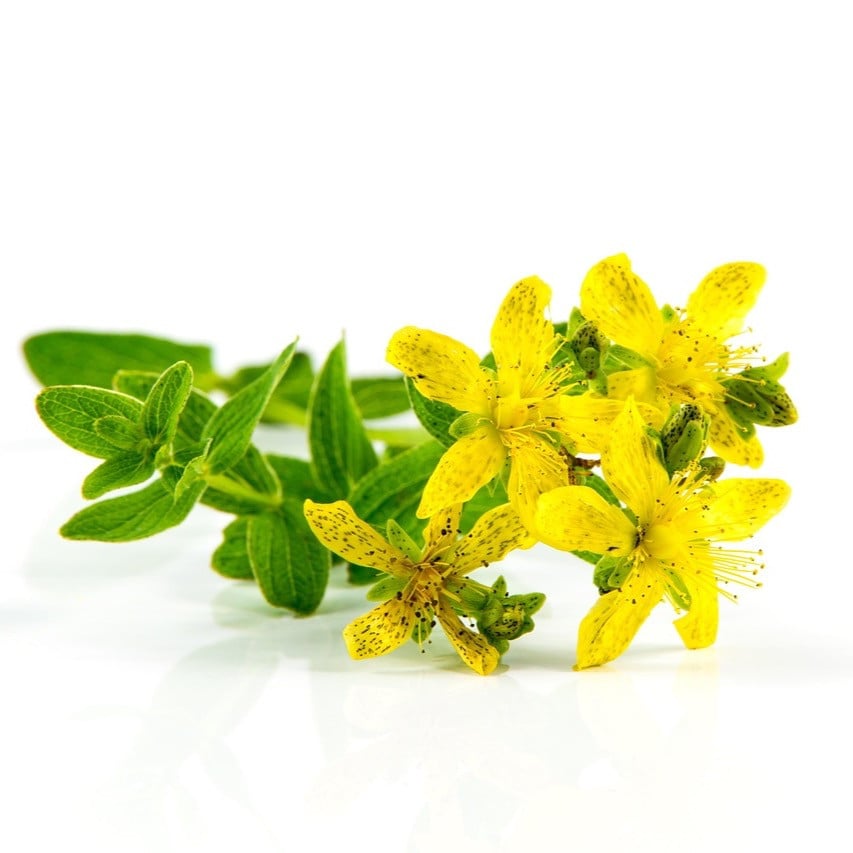
Variety
Echtes Johanniskraut
Approved Data
created by MarieLu at 02.12.2025
Seed packet
Features
Location
Soil: permeable soil
Soil: slightly sandy
Soil: light
Soil: sandy
Light: Sun to Shade
Light: Sun
Soil moisture: dry
Nachbarn gute: trockenheitsliebende
Good companions: sun-loving
Biotop: Magerrasen, Trockenwiese
Color
green
golden yellow
Growth habit
lifespan: perennial
growth habit: half-high
growth habit: upright
Blätter: perforiert
Fruit shape
elongated
Resistances
robust
Season Overview
Sowing
Harvest
Harvest
J
F
M
A
M
J
J
A
S
O
N
D
1ST YEAR
FOLLOWING YEARS
Description
St. John's wort (Hypericum) is a separate genus within the St. John's wort plant family (Hypericaceae). This genus consists of various species that are distributed worldwide. These include perennials, semi-shrubs and small shrubs. Many of these species occur in open, sunny locations and are adapted to dryness and poor soils. Many of the characteristics of the plants within this genus are similar, but some of them differ greatly in growth height, site requirements and medicinal properties. St. John's herbs are mostly perennial, hardy shrubs. The growth form differs depending on the species and can range from upright to bushy to prostrate. They usually form deep taproots. The leaves are opposite and often have light-colored dots. The valuable essential oils that make the plant so popular are stored in these oil glands. The five-petaled flowers are golden yellow and resemble small stars. Depending on the species, you can see these plants in bloom between June and September. St. John's wort is an ecologically very valuable and robust plant. They provide plenty of pollen (but hardly any nectar) for pollinators and are popular with wild bees, hoverflies and beetles. They also serve as a food plant for the caterpillars of certain butterfly and leaf miner species. They are very easy to care for and drought-resistant.
Non hybrid
Frostproof
Growing tips
Johanniskraut ist ein Frost- und Lichtkeimer. Im Freiland daher am besten im späten Oktober oder ab Februar aussäen. Im Haus ist die Anzucht aus Samen das ganze Jahr über möglich. Um die Keimfähigkeit zu erhöhen, sollten die Samen zunächst für sechs Wochen in den normalen Kühlschrankbereich gelegt (stratifizieren) und anschließend über Nacht in raumwarmem Wasser vorgequollen werden. Die Samen dann auf feuchtes Anzuchtsubstrat streuen und nur ganz wenig mit dem Substrat bedecken. Das Anzuchtgefäß mit Klarsichtfolie abdecken und mit Löchern versehen. So ist die Erde vor Austrocknung geschützt. Alle zwei bis drei Tage die Folie für 2 Stunden entfernen. Das beugt einer Schimmelbildung auf der Anzuchterde vor. Das Anzuchtgefäß an einen hellen und warmen Ort mit 20 bis 25° Celsius stellen und die Anzuchterde feucht halten, aber nicht nass. Die Knospen, Blüten und Zweigspitzen der dekorativen Staudenpflanze am besten zur Blütezeit ernten und dann im Schatten zum trocknen auslegen. Johanniskraut überwintert mit weitverzweigtem Wurzelstock, der im Frühling wieder austreibt. Ein besonderer Schutz ist nicht notwendig.
Details


Light requirement
Sunny

Water requirement
Dry

Soil
Light (sandy)

Nutrient requirement
Low

Light germinator

Germination temperature
6 - 18 °C (Degrees Celsius)

Plant distance
40 cm

Row spacing
20 cm

Seeding depth
0.5 cm


Antagonistic Plants
No antagonistic plants

Diseases
Root Rot
Powdery mildews

Pests
No pests