Garden Guide
Garden Guide for Wellington, Wellington Region, New Zealand
Wellington enjoys a temperate, maritime climate, bringing mild winters and warm summers, often with a fair bit of strong winds. The soils here can vary, but you'll often find them on the clayey side. They'll really thrive with plenty of organic matter and good drainage to keep waterlogging at bay. What's more, with high humidity and virtually no frost, you can look forward to growing a wide range of crops all year round!
Here in Wellington, in Climate Zone 11a, you're in luck! Our practically frost-free climate means you can garden all year round. For example, you can sow your onions from August to September and enjoy harvesting them from January to February. For tomatoes, it's best to start them indoors from August to September, then you'll be picking fresh fruit from December to March. And for garlic, get it in the ground from March to April, ready for a December harvest.
There is practically no frost in Wellington. You can garden year-round, the calendar shows the most reliable growing windows.
Also applies to: Lower Hutt, Porirua, Upper Hutt, Kapiti Coast, Masterton, Levin
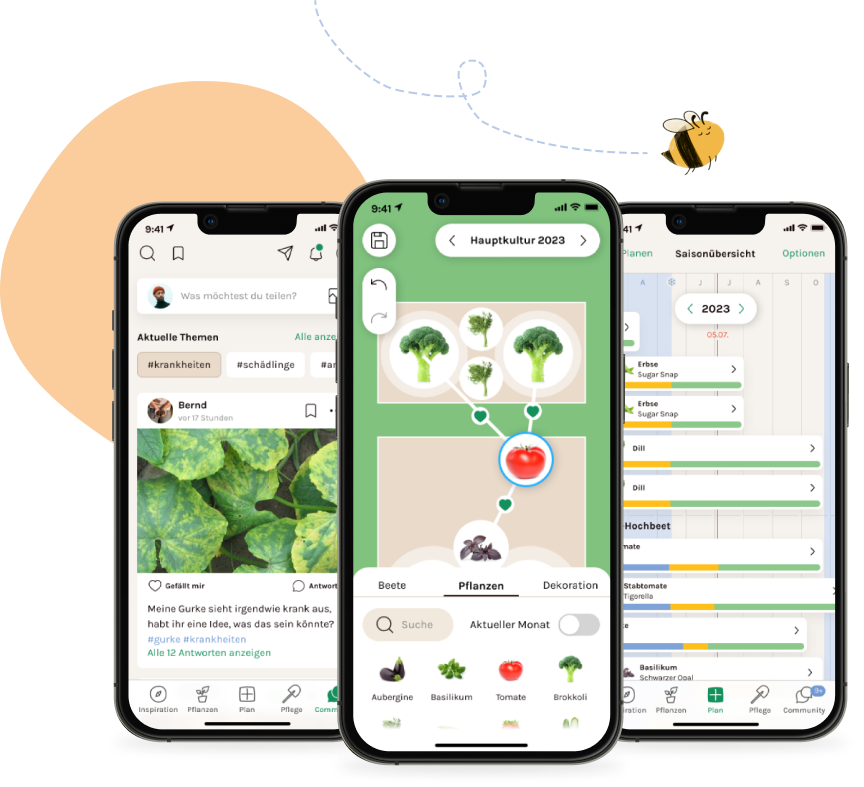
Plan your Wellington garden in the Fryd appPlanting Calendar
When to start indoors, sow outdoors, and harvest in Wellington. Frost-free climate: the windows are a guide, many crops can be sown beyond them too.
| Crop | Jan | Feb | Mar | Apr | May | Jun | Jul | Aug | Sep | Oct | Nov | Dec |
|---|---|---|---|---|---|---|---|---|---|---|---|---|
| Tomato (Bush tomato) ●●● ●●○ ●●● | |
|
|
|
|
|
|
|
||||
| Tomato (Cocktail bush tomato) ●●● ●●○ ●●● | |
|
|
|
|
|
|
|
||||
| Pepper / Paprika ●●● ●●○ ●●● | |
|
|
|
|
|
|
|
||||
| Cucumber / Gherkin ●●● ●●○ ●●● | |
|
|
|
|
|
|
|||||
| Courgette / Zucchini ●●● ●●● ●●● | |
|
|
|
|
|
|
|||||
| Bean (Dwarf bean) ●●● ●●○ ●○○ | |
|
|
|
|
|
|
|||||
| Bean (Runner bean) ●●● ●●○ ●○○ | |
|
|
|
|
|
|
|||||
| Chili ●●● ●●○ ●●● | |
|
|
|
|
|
|
|
|
|||
| Aubergine / Eggplant ●●● ●●● ●●● | |
|
|
|
|
|
|
|||||
| Basil ●●● ●●○ ●●● | |
|
|
|
|
|
|
|
||||
| Parsley ●●○ ●●○ ●●○ | |
|
|
|
|
|
|
|
|
|
|
|
| Chives ●●● ●●● ●●○ | |
|
|
|
|
|
|
|
|
|||
| Coriander / Cilantro ●●○ ●●○ ●○○ | |
|
|
|
|
|
|
|
||||
| Mint ●●○ ●●○ ●●○ | |
|
|
|
|
|
|
|
||||
| Rosemary ●●● ●○○ | |
|
|
|
|
|
|
|
|
|
|
|
| Thyme ●●● ●○○ | |
|
|
|
|
|
|
|
|
|||
| Garlic ●●● ●●○ ●○○ | |
|
|
|
|
|||||||
| Onion ●●● ●●○ ●●○ | |
|
|
|
|
|
|
|||||
| Onion (Spring onion) ●●● ●●○ ●●○ | |
|
|
|
|
|
|
|
|
|
||
| Leeks ●●○ ●●○ ●●● | |
|
|
|
|
|
Planting Calendar Wellington
- Tomato (Bush tomato): Start indoors Aug - Sep, Sowing Oct - Nov, Harvest Jan - Dec (Light: high, Water: medium, Nutrients: high)
- Tomato (Cocktail bush tomato): Start indoors Aug - Sep, Sowing Oct - Nov, Harvest Jan - Dec (Light: high, Water: medium, Nutrients: high)
- Pepper / Paprika: Start indoors Jul - Aug, Sowing Oct - Nov, Harvest Jan - Dec (Light: high, Water: medium, Nutrients: high)
- Cucumber / Gherkin: Start indoors Sep - Oct, Sowing Oct - Nov, Harvest Jan - Dec (Light: high, Water: medium, Nutrients: high)
- Courgette / Zucchini: Start indoors Sep - Oct, Sowing Oct - Nov, Harvest Jan - Dec (Light: high, Water: high, Nutrients: high)
- Bean (Dwarf bean): Start indoors Sep - Oct, Sowing Oct - Dec, Harvest Jan - Dec (Light: high, Water: medium, Nutrients: low)
- Bean (Runner bean): Start indoors Sep - Oct, Sowing Oct - Dec, Harvest Jan - Dec (Light: high, Water: medium, Nutrients: low)
- Chili: Start indoors Jun - Aug, Sowing Oct - Dec, Harvest Jan - Dec (Light: high, Water: medium, Nutrients: high)
- Aubergine / Eggplant: Start indoors Aug - Oct, Sowing Oct - Nov, Harvest Jan - Dec (Light: high, Water: high, Nutrients: high)
- Basil: Start indoors Aug - Dec, Sowing Oct - Dec, Harvest Jan - Dec (Light: high, Water: medium, Nutrients: high)
- Parsley: Start indoors Jan - Dec, Sowing Jan - Dec, Harvest Jan - Dec (Light: medium, Water: medium, Nutrients: medium)
- Chives: Start indoors Aug - Oct, Sowing Sep - Nov, Harvest Jan - Dec (Light: high, Water: high, Nutrients: medium)
- Coriander / Cilantro: Start indoors Aug - Oct, Sowing Oct - Nov, Harvest Jan - Dec (Light: medium, Water: medium, Nutrients: low)
- Mint: Start indoors Aug - Oct, Sowing Oct - Nov, Harvest Jan - Dec (Light: medium, Water: medium, Nutrients: medium)
- Rosemary: Start indoors Jul - Oct, Sowing Oct - Nov, Harvest Jan - Dec (Light: high, Nutrients: low)
- Thyme: Start indoors Jul - Sep, Sowing Oct - Nov, Harvest Jan - Dec (Light: high, Nutrients: low)
- Garlic: Sowing Feb - Apr, Harvest Jan - Dec (Light: high, Water: medium, Nutrients: low)
- Onion: Start indoors Jun - Jul, Sowing Aug - Sep, Harvest Jan - Dec (Light: high, Water: medium, Nutrients: medium)
- Onion (Spring onion): Start indoors Jan - Dec, Sowing Feb - May, Harvest May - Sep (Light: high, Water: medium, Nutrients: medium)
- Leeks: Start indoors Aug - Sep, Sowing Sep - Oct, Harvest Mar - May (Light: medium, Water: medium, Nutrients: high)
Based on Fryd planting data for Zone 11a, 2026.
Companion Planting for Wellington
Plants that thrive together in Wellington Region, New Zealand.
Some plants grow better side by side: they keep pests away, improve the soil or make the most of the space.
 +
+
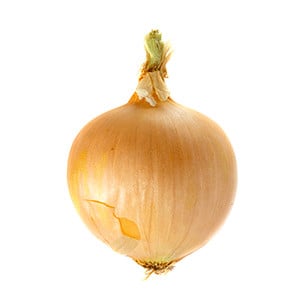
Your onions help keep pests like whiteflies at bay and enhance the flavour of your tomatoes.
 +
+
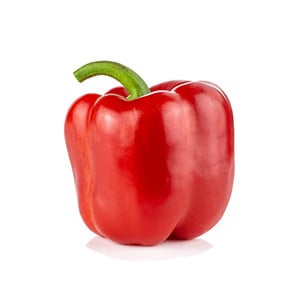
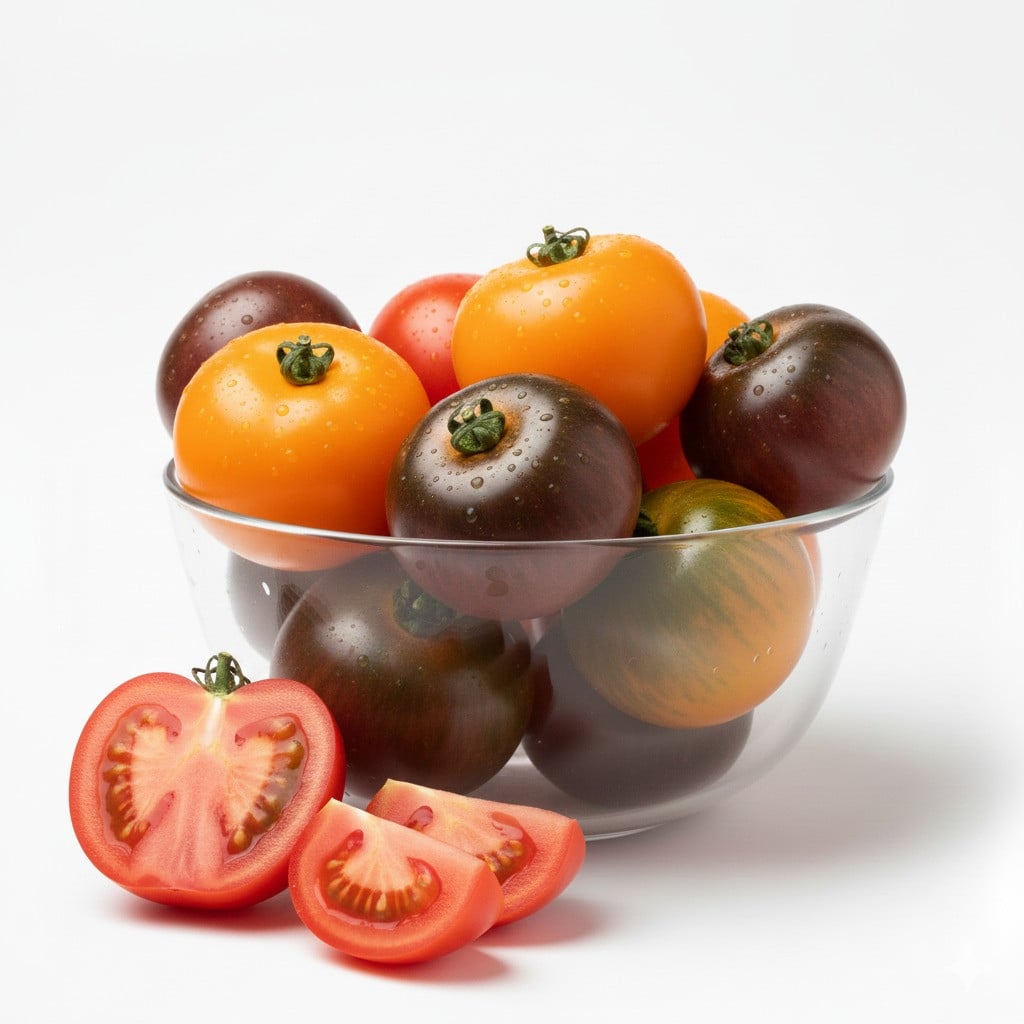
Tomato (Cocktail bush tomato) + Pepper / Paprika
Tomatoes and peppers make excellent companions as their nutrient requirements are similar, and they both thrive in plenty of warmth and sunshine.
 +
+
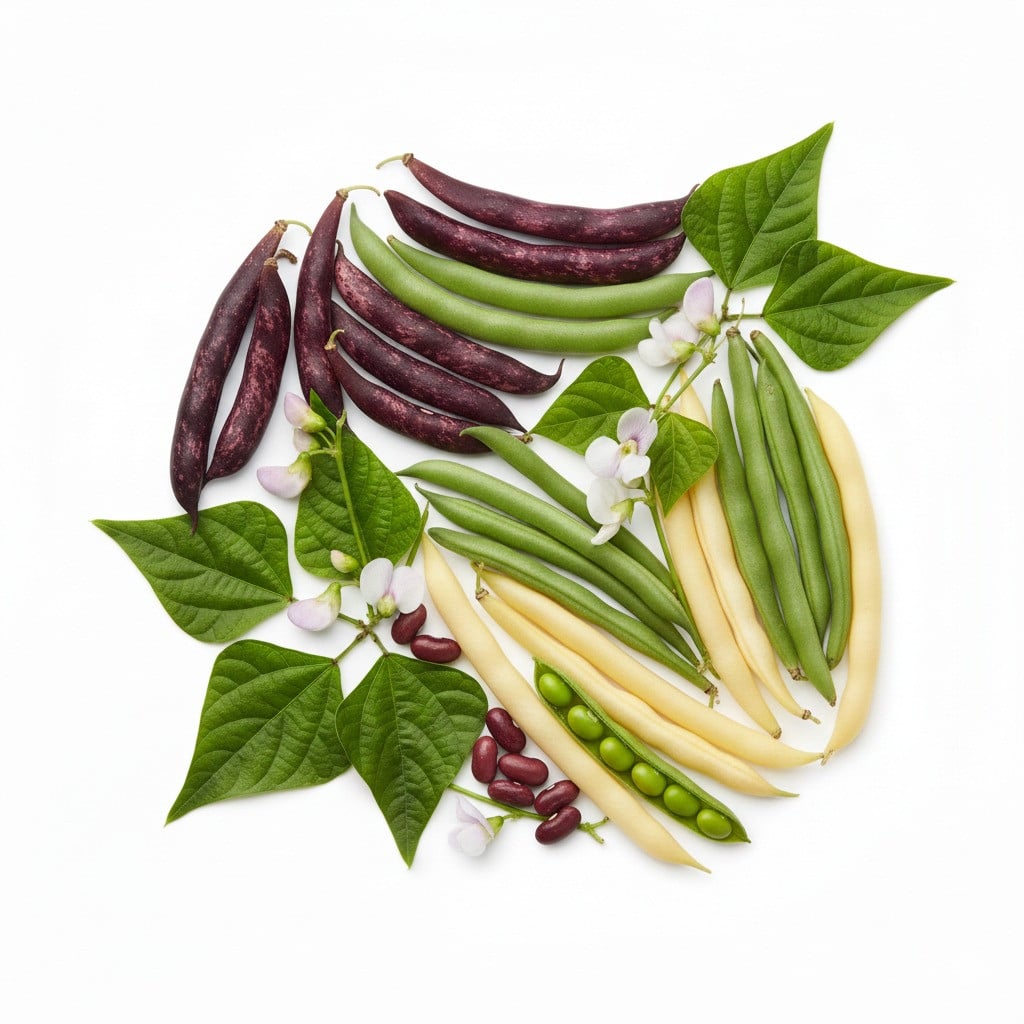
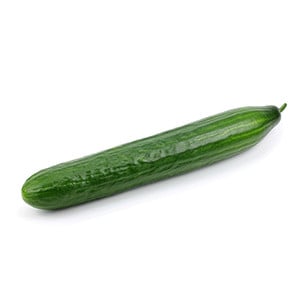
Cucumber / Gherkin + Bean (Dwarf bean)
Dwarf beans fix nitrogen in the soil, which benefits your cucumbers, and they both have similar requirements for light and moisture.
 +
+
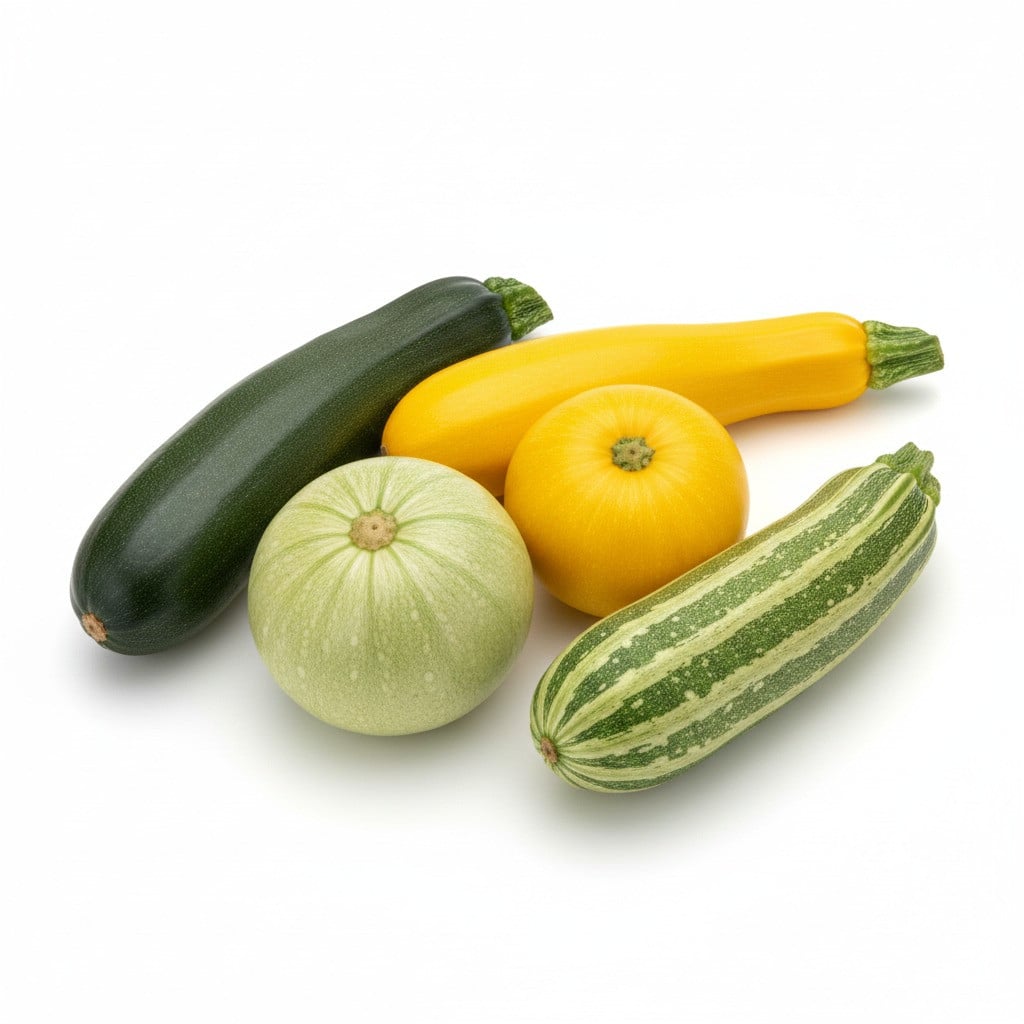
Courgette / Zucchini + Bean (Runner bean)
Your runner beans fix nitrogen in the soil, which benefits courgettes and prevents the soil from becoming depleted.
 +
+
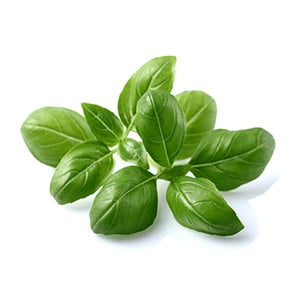
Basil and chilli work together against aphids and whiteflies, which benefits both of them.
Plan companions visually
Drag and drop crops in the Fryd bed planner to see companion matches.
Try Fryd →Growing Tips for Wellington
Sunny Spot is Key
Many of your favourite plants, like onions, tomatoes, and courgettes, absolutely love a full-sun, warm spot. Make sure your garden beds get at least 6 hours of direct sunlight each day – it's crucial for them to really thrive and give you those bumper harvests!
Soil Improvement for Healthy Roots
Loose, humus-rich, and well-draining soil is really important for most crops, especially garlic and leeks. If you've got heavy clay soil, make sure to regularly dig in plenty of compost. It'll really help improve the soil structure and prevent waterlogging from becoming an issue.
Ensure Regular Watering
Thirsty plants like cucumbers, aubergines, and courgettes really need a lot of water and love consistently moist soil. Keep a close eye on them, especially during drier spells, and make sure they get regular, ample watering. This will help them avoid stress and really boost their growth.
Warmth for Sensitive Crops
Even though Wellington is frost-free, those heat-loving plants like basil, aubergines, and capsicums (peppers) will really appreciate a sheltered, warm spot. Giving them a head start indoors or tucking them into a protected corner against a south-facing wall can give these sensitive crops a fantastic boost and help them thrive.
Common Pests & Diseases
Tackling Aphids
These tiny pests love to suck the sap from young shoots and leaves, which can really stunt your plants' growth. Regularly spray affected plants with a mild soapy solution, or for a natural approach, introduce some ladybird larvae – they're fantastic predators!
Keeping Slugs at Bay
Slugs are notorious for munching on young seedlings and tender leaves, especially after a good rain. You can hand-pick them in the evening, set up some slug traps, or create a barrier around your beds using crushed eggshells or coffee grounds.
Preventing and Treating Powdery Mildew
This pesky fungus appears as a white powdery coating on leaves, especially on cucumbers and courgettes. Make sure your plants have good air circulation, avoid watering from overhead, and if you spot it, treat affected plants early with a simple milk-and-water spray.
Avoiding Root Rot
Waterlogging is the main culprit behind root rot, which can cause your plants to wilt and eventually die. Always ensure you have well-draining soil and be careful not to overwater, especially for plants that don't need much moisture, like thyme and rosemary.
Frequently Asked Questions
When should I plant tomatoes in Wellington?
You can get your tomato seedlings started indoors in Wellington from August to September, and then you'll be harvesting those delicious fruits from December right through to March. Make sure to pick a sunny, warm, and sheltered spot to protect them from the wind for the best results and a fantastic harvest.
What climate zone is Wellington in?
Wellington is nestled in Climate Zone 11a, which means we're blessed with a really mild climate and practically no frosts! This is brilliant news for gardeners, as it allows for a long, often year-round growing season for a wide variety of plants, making your gardening efforts very flexible.
What vegetables grow well in Wellington?
Many crops absolutely flourish in Wellington! You'll have great success with things like onions, leeks, courgettes, and a whole range of herbs such as parsley and chives. Even heat-loving plants like aubergines and capsicums (peppers) can do really well here with a bit of extra care, giving you some lovely yields.
Does Wellington get frost?
No, Wellington is practically frost-free! This is brilliant as it means you can keep growing things all year round. You won't have to worry about late frosts harming your delicate plants, and you can really look forward to a wonderfully long gardening season.