Garden Guide
Garden Guide for Hobart, Tasmania
Hobart, in Climate Zone 10a, enjoys a temperate maritime climate with mild summers and cool winters. Soils often vary from sandy loam to heavier clay soils, requiring good drainage. Proximity to the Derwent River can influence local microclimates.
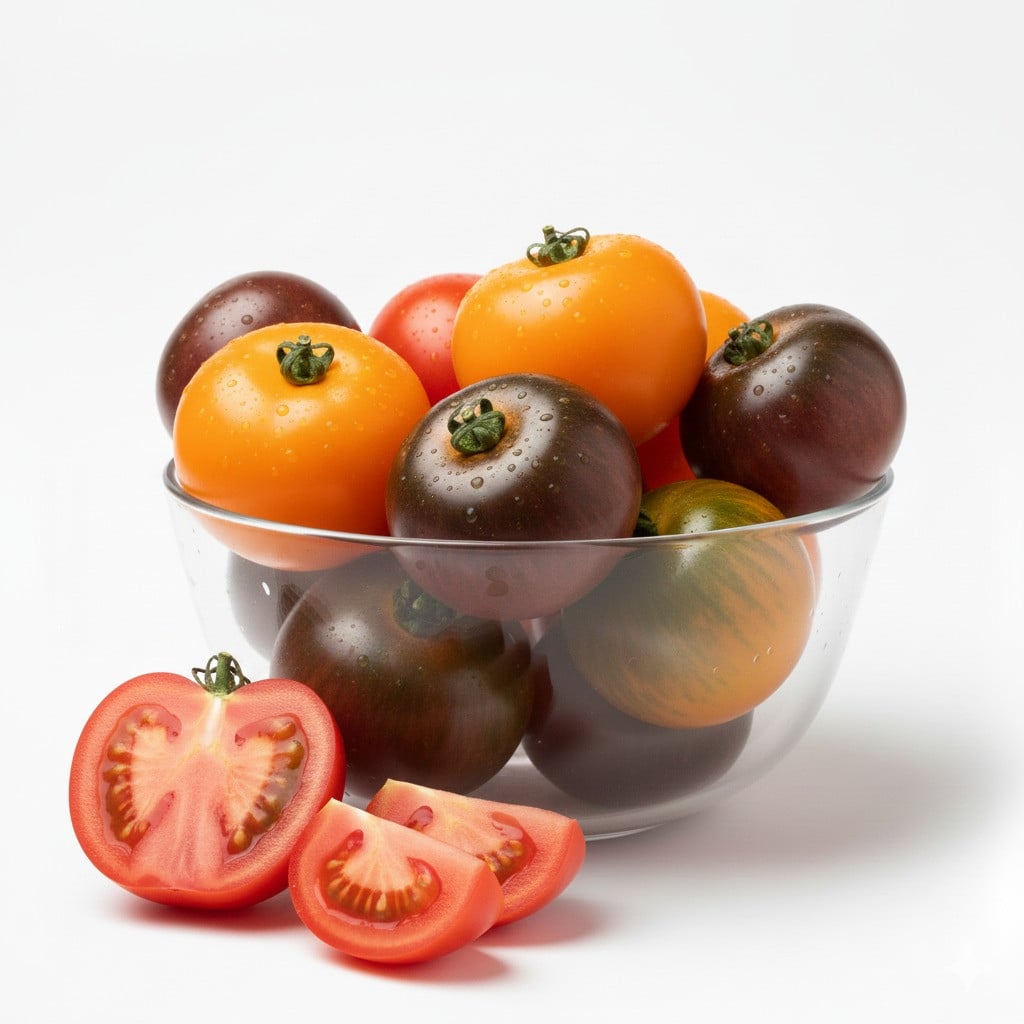
In Hobart (Climate Zone 10a), the frost-free period begins after mid-November, with the first frost typically occurring in early April. You can sow lettuce and plant radishes from November to May. Heat-loving crops like tomatoes (sow/germinate November) and courgette (sow/germinate November) thrive in the Tasmanian summer.
Also applies to: Kingston, Huonville, Richmond, Sorell, Cygnet
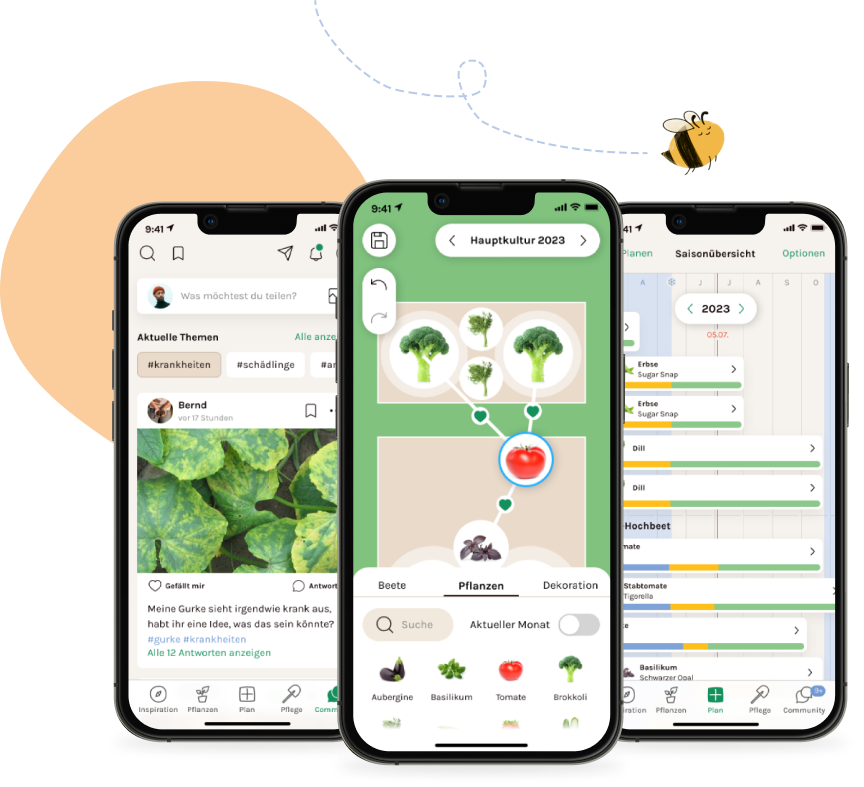
Plan your Hobart garden in the Fryd appPlanting Calendar
When to start indoors, sow outdoors, and harvest in Hobart.
| Crop | Jan | Feb | Mar | Apr | May | Jun | Jul | Aug | Sep | Oct | Nov | Dec |
|---|---|---|---|---|---|---|---|---|---|---|---|---|
| Tomato (Bush tomato) ●●● ●●○ ●●● | |
|
|
|
|
|
|
|
||||
| Tomato (Cocktail bush tomato) ●●● ●●○ ●●● | |
|
|
|
|
|
|
|
||||
| Cucumber / Gherkin ●●● ●●○ ●●● | |
|
|
|
|
|
|
|||||
| Courgette / Zucchini ●●● ●●● ●●● | |
|
|
|
|
|
|
|||||
| Pepper / Paprika ●●● ●●○ ●●● | |
|
|
|
|
|
|
|
||||
| Bean (Dwarf bean) ●●● ●●○ ●○○ | |
|
|
|
|
|
|
|||||
| Bean (Runner bean) ●●● ●●○ ●○○ | |
|
|
|
|
|
|
|||||
| Basil ●●● ●●○ ●●● | |
|
|
|
|
|||||||
| Garlic ●●● ●●○ ●○○ | |
|
|
|
|
|||||||
| Onion ●●● ●●○ ●●○ | |
|
|
|
|
|
|
|||||
| Onion (Spring onion) ●●● ●●○ ●●○ | |
|
|
|
|
|
|
|||||
| Carrots ●●● ●●○ ●○○ | |
|
|
|
||||||||
| Lettuce (Lettuce) ●●○ ●●○ ●●○ | |
|
|
|
|
|
|
|
||||
| Chard ●●○ ●●○ ●●○ | |
|
|
|
|
|
|
|
||||
| Spinach (Summer) ●○○ ●●● ●●○ | |
|
|
|||||||||
| Radishes ●●● ●●○ ●○○ | |
|
|
|
|
|
|
|||||
| Beetroot ●●● ●●○ ●●○ | |
|
|
|
|
|
|
|||||
| Strawberry ●●● ●●○ ●●● | |
|
|
|
|
|||||||
| Aubergine / Eggplant ●●● ●●● ●●● | |
|
|
|
|
|
|
|||||
| Chili ●●● ●●○ ●●● | |
|
|
|
|
|
|
|
|
Planting Calendar Hobart
- Tomato (Bush tomato): Start indoors Aug - Sep, Sowing Oct - Nov, Harvest Jan - Dec (Light: high, Water: medium, Nutrients: high)
- Tomato (Cocktail bush tomato): Start indoors Aug - Sep, Sowing Oct - Nov, Harvest Jan - Dec (Light: high, Water: medium, Nutrients: high)
- Cucumber / Gherkin: Start indoors Sep - Oct, Sowing Oct - Nov, Harvest Jan - Dec (Light: high, Water: medium, Nutrients: high)
- Courgette / Zucchini: Start indoors Sep - Oct, Sowing Oct - Nov, Harvest Jan - Dec (Light: high, Water: high, Nutrients: high)
- Pepper / Paprika: Start indoors Jul - Aug, Sowing Oct - Nov, Harvest Jan - Dec (Light: high, Water: medium, Nutrients: high)
- Bean (Dwarf bean): Start indoors Sep - Oct, Sowing Oct - Dec, Harvest Jan - Dec (Light: high, Water: medium, Nutrients: low)
- Bean (Runner bean): Start indoors Sep - Oct, Sowing Oct - Dec, Harvest Jan - Dec (Light: high, Water: medium, Nutrients: low)
- Basil: Start indoors Jan - Dec, Sowing Jan - Feb, Harvest Jan - Mar (Light: high, Water: medium, Nutrients: high)
- Garlic: Sowing Feb - Apr, Harvest Jan - Dec (Light: high, Water: medium, Nutrients: low)
- Onion: Start indoors Jun - Jul, Sowing Aug - Sep, Harvest Jan - Dec (Light: high, Water: medium, Nutrients: medium)
- Onion (Spring onion): Start indoors Mar - Jun, Sowing Apr - Aug, Harvest Jul - Sep (Light: high, Water: medium, Nutrients: medium)
- Carrots: Sowing Nov, Harvest Feb - Apr (Light: high, Water: medium, Nutrients: low)
- Lettuce (Lettuce): Start indoors Jan - Dec, Sowing Jan - Dec, Harvest Jan - Dec (Light: medium, Water: medium, Nutrients: medium)
- Chard: Start indoors Sep - Dec, Sowing Jan - Dec, Harvest Jan - Apr (Light: medium, Water: medium, Nutrients: medium)
- Spinach (Summer): Sowing Jan - Dec (Light: low, Water: high, Nutrients: medium)
- Radishes: Sowing Jan - Dec, Harvest Jan - Mar (Light: high, Water: medium, Nutrients: low)
- Beetroot: Start indoors Sep, Sowing Sep - Dec, Harvest Jan - Dec (Light: high, Water: medium, Nutrients: medium)
- Strawberry: Start indoors Oct - Dec, Sowing Jan - Dec, Harvest Jan - Feb (Light: high, Water: medium, Nutrients: high)
- Aubergine / Eggplant: Start indoors Aug - Oct, Sowing Oct - Nov, Harvest Jan - Dec (Light: high, Water: high, Nutrients: high)
- Chili: Start indoors Jun - Aug, Sowing Oct - Dec, Harvest Jan - Dec (Light: high, Water: medium, Nutrients: high)
Based on Fryd planting data for Zone 10a, 2026.
Companion Planting for Hobart
Plants that thrive together in Tasmania.
Some plants grow better side by side: they keep pests away, improve the soil or make the most of the space.
 +
+
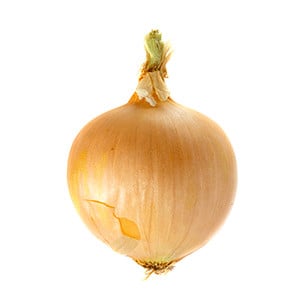
Your onions help keep pests like whiteflies at bay and enhance the flavour of your tomatoes.
 +
+
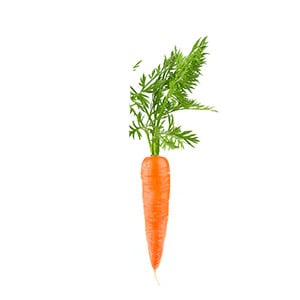
Tomato (Cocktail bush tomato) + Carrots
Carrots loosen the soil and act like a drainage system, which is good for tomatoes, as you don't like waterlogging.
 +
+
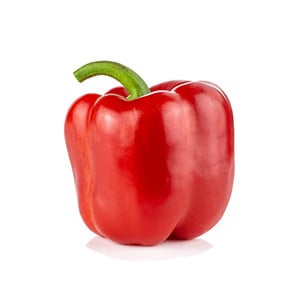
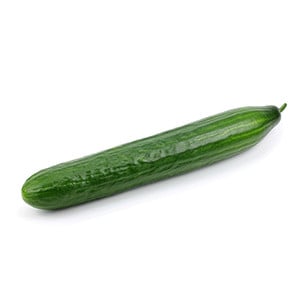
Cucumber / Gherkin + Pepper / Paprika
Your peppers and cucumbers have similar demands for light, water, and nutrients, and they thrive in high humidity.
 +
+
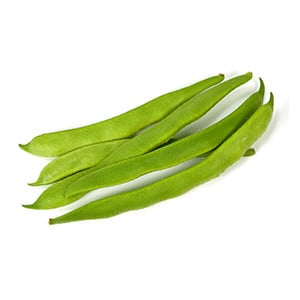
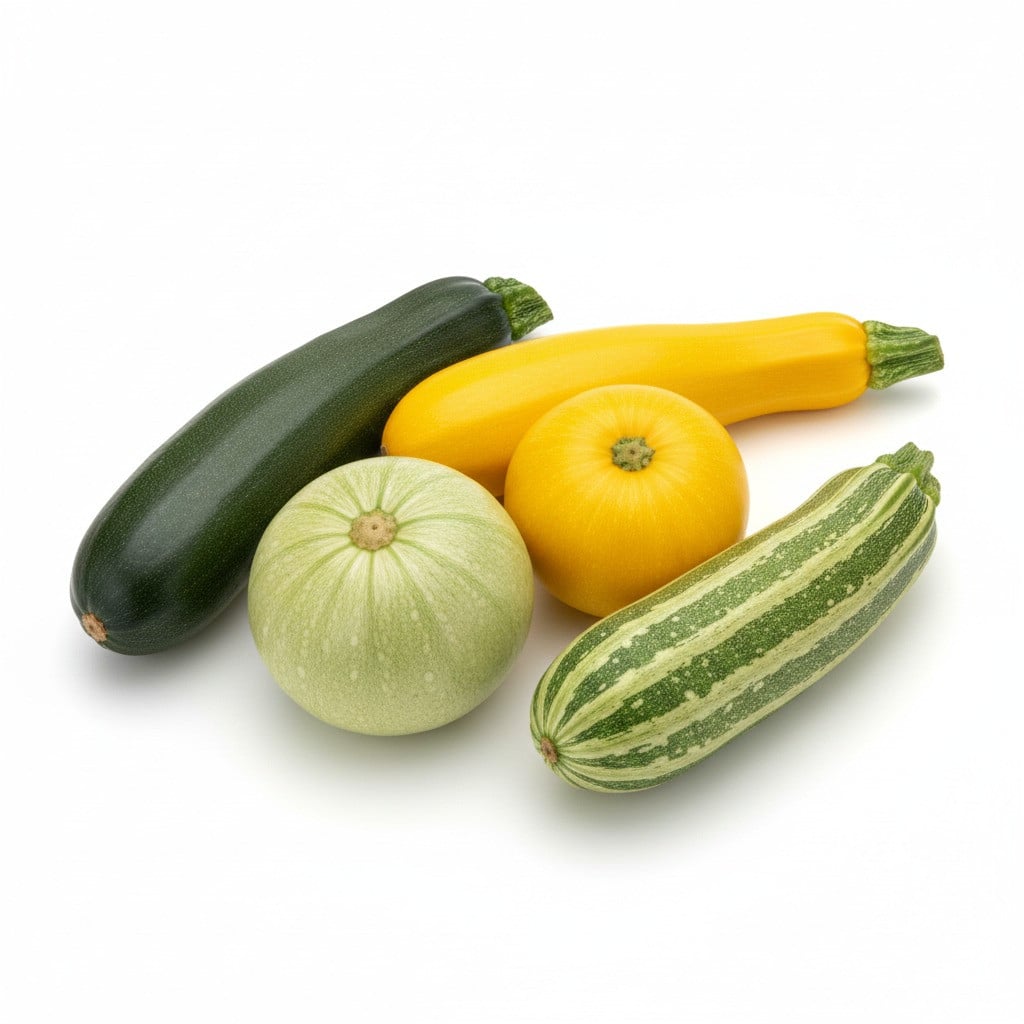
Courgette / Zucchini + Bean (Runner bean)
Your runner beans fix nitrogen in the soil, which benefits courgettes and prevents the soil from becoming depleted.
 +
+
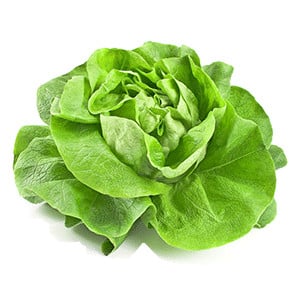
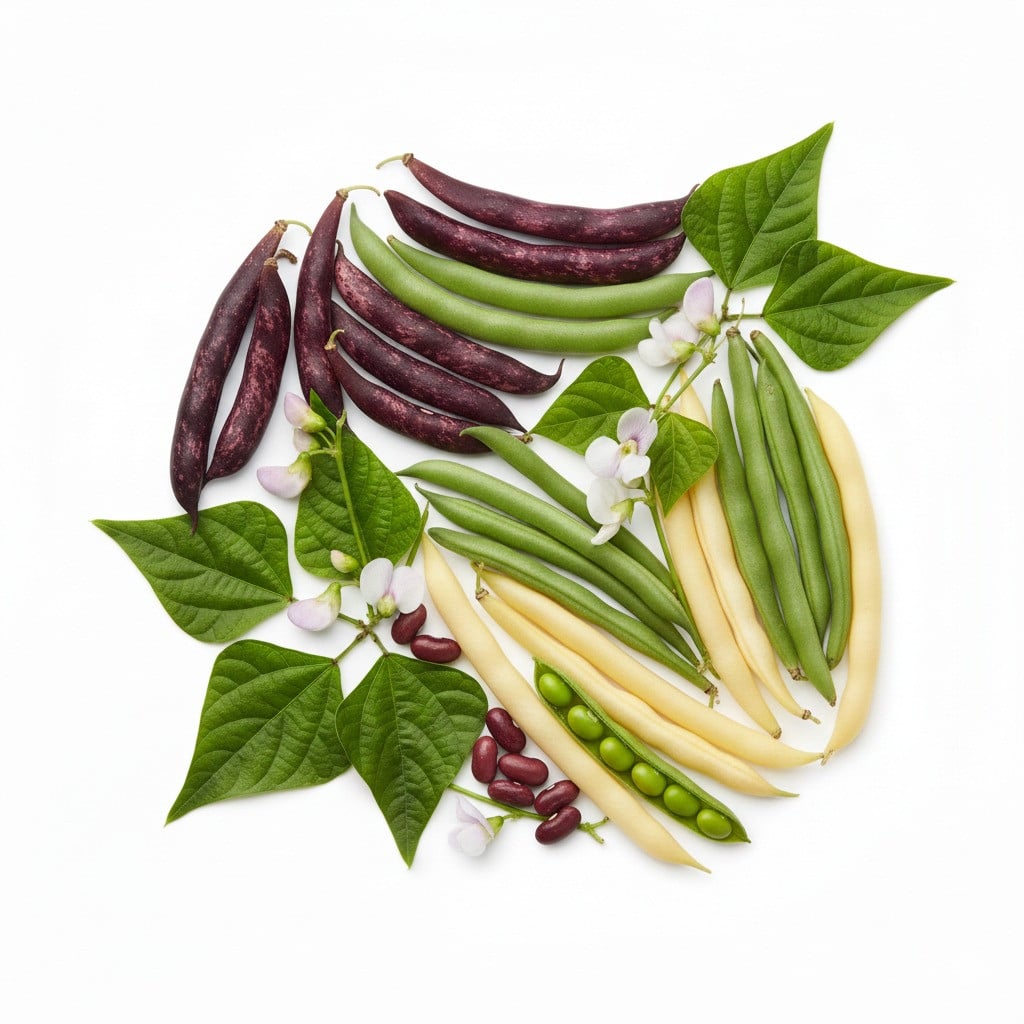
Bean (Dwarf bean) + Lettuce (Lettuce)
Bush beans fix nitrogen in the soil, which benefits lettuce, and you have different root depths.
Plan companions visually
Drag and drop crops in the Fryd bed planner to see companion matches.
Try Fryd →Growing Tips for Hobart
Soil Preparation is Key
Many plants like radishes, onions, and beetroot prefer loose, humus-rich, and well-draining soil. Make sure to avoid waterlogging, especially for garlic, to create optimal growing conditions.
Optimise Sowing and Germination
For lettuce, gently press the seeds and barely cover them with soil, while carrot seeds germinate slowly and require patience. For Swiss chard, an ideal germination temperature is 15–20 °C (59-68°F); keep the soil lightly moist.
Ensure Consistent Moisture
Radishes and spinach need a constant water supply to prevent woody roots or stunted growth. Make sure to keep the soil consistently moist, but not waterlogged, to achieve the best yields.
Protect Heat-Loving Crops
Plants like courgette, tomatoes, and aubergines are frost-sensitive and need a sunny, warm, and sheltered spot. Starting them off indoors is often a good idea: tomatoes from August, courgettes and aubergines in September or October, keeping them safe from the last frosts.
Common Pests & Diseases
Prevent Snail and Slug Infestations
Snails and slugs are often a problem in humid climates like Hobart, especially for young lettuce and spinach plants. Regularly hand-pick them, use slug fences, or sprinkle organic slug pellets to protect your beds.
Naturally Combat Aphids
Aphids can infest many crops, including beans and tomatoes. Rinse them off with a strong jet of water or introduce beneficial insects like ladybird larvae to promote a chemical-free garden.
Avoid Fungal Diseases
Good air circulation and avoiding waterlogging are crucial to prevent fungal diseases like powdery mildew. Ensure adequate plant spacing and water directly at the root zone to keep leaves dry.
Root Flies in Carrots and Onions
To keep carrot and onion root flies away, you can place fine-mesh insect netting over your beds. Companion planting with deterrent plants like rosemary or marigolds can also help.
Frequently Asked Questions
When should I plant tomatoes in Hobart?
You should sow tomatoes or plant seedlings in Hobart in November. You can start them off indoors as early as August to September to get strong young plants ready for the Tasmanian summer.
What climate zone is Hobart in?
Hobart is in Climate Zone 10a. This means you can expect mild winters and a long growing season, allowing for a wide variety of plants to be grown.
Which vegetables grow best in Hobart?
Many crops thrive in Hobart. Lettuce and radishes grow particularly well, and you can sow them from November to May. Heat-loving plants like courgette and tomatoes also thrive in summer.
When is the last frost in Hobart?
The last frost in Hobart is typically expected around mid-November. After that, it's safe to plant frost-sensitive plants outdoors without them getting damaged.