Garden Guide
Garden Guide for Brussels, Central Belgium
Brussels is located in a temperate climate zone, enjoying mild winters and cool summers, characteristic of an oceanic climate. The region benefits from ample rainfall, which creates excellent conditions for many crops. The soils are often loamy and rich in humus, providing a good supply of nutrients.
In Brussels, nestled in climate zone 8b, you can kick off your gardening adventures after the last frost in early April. You can start lettuce indoors from March to September and enjoy harvests from April to November. Carrots can be sown from April to July and harvested from July to November, while tomatoes are best started indoors from March to May for harvests from July to October. Expect the first frost around mid-November.
Also applies to: Ghent, Antwerp, Leuven, Mechelen, Bruges, Charleroi
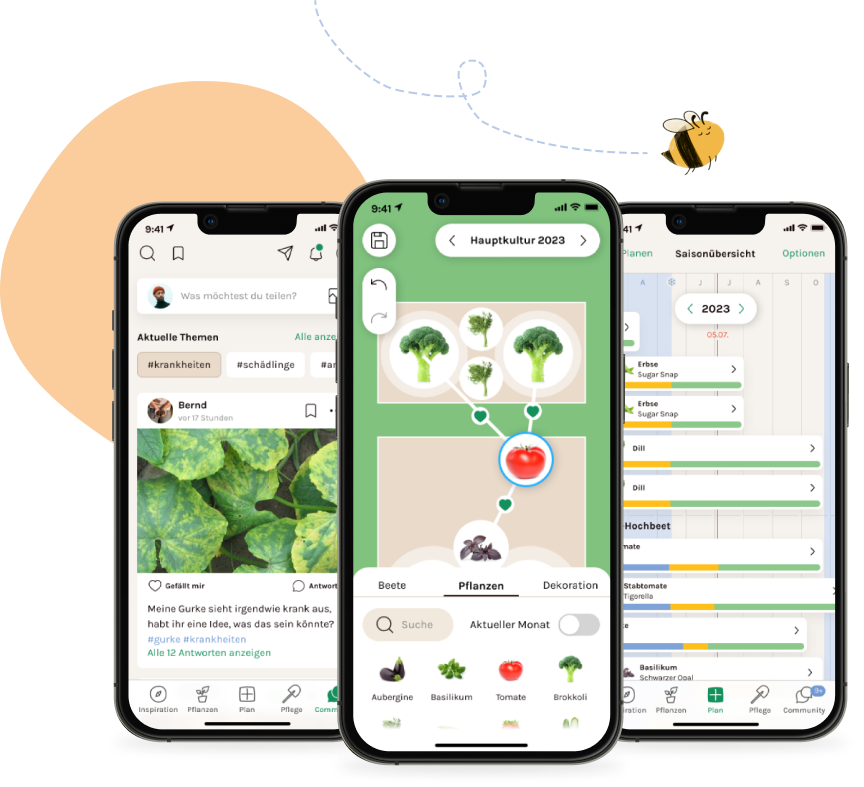
Plan your Brussels garden in the Fryd appPlanting Calendar
When to start indoors, sow outdoors, and harvest in Brussels.
| Crop | Jan | Feb | Mar | Apr | May | Jun | Jul | Aug | Sep | Oct | Nov | Dec |
|---|---|---|---|---|---|---|---|---|---|---|---|---|
| Carrots ●●● ●●○ ●○○ | |
|
|
|
|
|
|
|
||||
| Lettuce (Lettuce) ●●○ ●●○ ●●○ | |
|
|
|
|
|
|
|
|
|||
| Cucumber / Gherkin ●●● ●●○ ●●● | |
|
|
|
|
|
||||||
| Courgette / Zucchini ●●● ●●● ●●● | |
|
|
|
|
|
|
|||||
| Pepper / Paprika ●●● ●●○ ●●● | |
|
|
|
|
|
|
|||||
| Potato ●●● ●●○ ●●● | |
|
|
|
|
|
|
|
||||
| Radishes ●●● ●●○ ●○○ | |
|
|
|
|
|
|
|
||||
| Tomato (Bush tomato) ●●● ●●○ ●●● | |
|
|
|
|
|
|
|
||||
| Tomato (Cocktail bush tomato) ●●● ●●○ ●●● | |
|
|
|
|
|
|
|
||||
| Onion ●●● ●●○ ●●○ | |
|
|
|
|
|
||||||
| Bean (Dwarf bean) ●●● ●●○ ●○○ | |
|
|
|
|
|
||||||
| Pea ●●● ●●○ ●○○ | |
|
|
|
|
|
|
|||||
| Basil ●●● ●●○ ●●● | |
|
|
|
|
|
|
|||||
| Beetroot ●●● ●●○ ●●○ | |
|
|
|
|
|
|
|
||||
| Strawberry ●●● ●●○ ●●● | |
|
|
|
|
|
|
|
||||
| Kohlrabi / German turnip / Turnip cabbage ●●● ●●○ ●●○ | |
|
|
|
|
|
|
|
||||
| Garlic ●●● ●●○ ●○○ | |
|
|
|
|
|
||||||
| Pumpkin / Squash ●●● ●●● ●●● | |
|
|
|
|
|
||||||
| Broccoli ●●● ●●● ●●● | |
|
|
|
|
|
|
|
||||
| Chard ●●○ ●●○ ●●○ | |
|
|
|
|
|
|
|
|
|
Planting Calendar Brussels
- Carrots: Sowing Apr - Jul, Harvest Jul - Nov (Light: high, Water: medium, Nutrients: low)
- Lettuce (Lettuce): Start indoors Mar - Sep, Sowing Apr - Oct, Harvest Apr - Nov (Light: medium, Water: medium, Nutrients: medium)
- Cucumber / Gherkin: Start indoors May - Jun, Sowing Jun - Jul, Harvest Jul - Oct (Light: high, Water: medium, Nutrients: high)
- Courgette / Zucchini: Start indoors Apr - Jun, Sowing Jun - Jul, Harvest Jul - Oct (Light: high, Water: high, Nutrients: high)
- Pepper / Paprika: Start indoors Mar - Apr, Sowing Jun - Jul, Harvest Aug - Oct (Light: high, Water: medium, Nutrients: high)
- Potato: Start indoors Mar - Apr, Sowing Apr - Jul, Harvest Jul - Oct (Light: high, Water: medium, Nutrients: high)
- Radishes: Sowing Mar - Oct, Harvest Jun - Oct (Light: high, Water: medium, Nutrients: low)
- Tomato (Bush tomato): Start indoors Mar - May, Sowing Jun - Jul, Harvest Jul - Oct (Light: high, Water: medium, Nutrients: high)
- Tomato (Cocktail bush tomato): Start indoors Mar - May, Sowing Jun - Jul, Harvest Jul - Oct (Light: high, Water: medium, Nutrients: high)
- Onion: Start indoors Feb - Mar, Sowing Mar - May, Harvest Aug - Sep (Light: high, Water: medium, Nutrients: medium)
- Bean (Dwarf bean): Start indoors May - Jun, Sowing Jun - Jul, Harvest Jul - Oct (Light: high, Water: medium, Nutrients: low)
- Pea: Sowing Apr - Jul, Harvest Jun - Oct (Light: high, Water: medium, Nutrients: low)
- Basil: Start indoors Apr - Jul, Sowing Jun - Aug, Harvest Jun - Oct (Light: high, Water: medium, Nutrients: high)
- Beetroot: Start indoors Mar - Apr, Sowing Apr - Jul, Harvest Jul - Oct (Light: high, Water: medium, Nutrients: medium)
- Strawberry: Start indoors Mar - May, Sowing Apr - Jul, Harvest Jun - Oct (Light: high, Water: medium, Nutrients: high)
- Kohlrabi / German turnip / Turnip cabbage: Start indoors Mar - Jun, Sowing Apr - Jul, Harvest Jun - Oct (Light: high, Water: medium, Nutrients: medium)
- Garlic: Sowing Sep - Nov, Harvest Jun - Aug (Light: high, Water: medium, Nutrients: low)
- Pumpkin / Squash: Start indoors Apr - Jun, Sowing Jun - Jul, Harvest Sep - Oct (Light: high, Water: high, Nutrients: high)
- Broccoli: Start indoors Mar - May, Sowing Jun - Jul, Harvest Jul - Oct (Light: high, Water: high, Nutrients: high)
- Chard: Start indoors Feb - May, Sowing Apr - Jul, Harvest Jun - Nov (Light: medium, Water: medium, Nutrients: medium)
Based on Fryd planting data for Zone 8b, 2026.
Companion Planting for Brussels
Plants that thrive together in Central Belgium.
Some plants grow better side by side: they keep pests away, improve the soil or make the most of the space.
 +
+
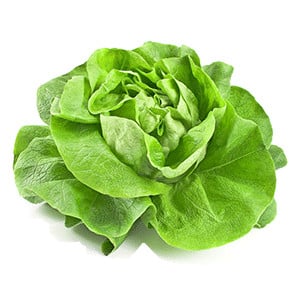
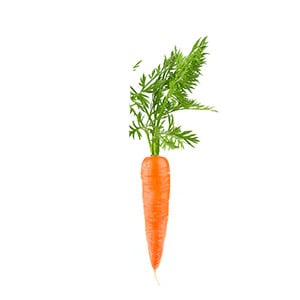
Lettuce covers the soil around your carrots, retains moisture, and protects against weeds as it grows quickly.
 +
+
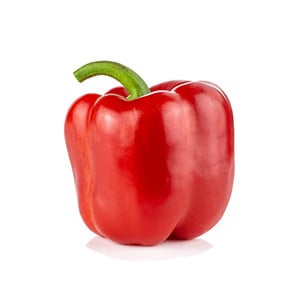
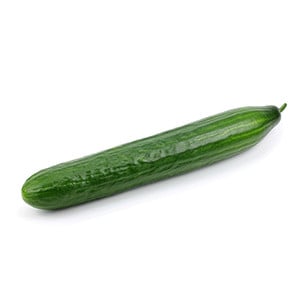
Cucumber / Gherkin + Pepper / Paprika
Your peppers and cucumbers have similar demands for light, water, and nutrients, and they thrive in high humidity.
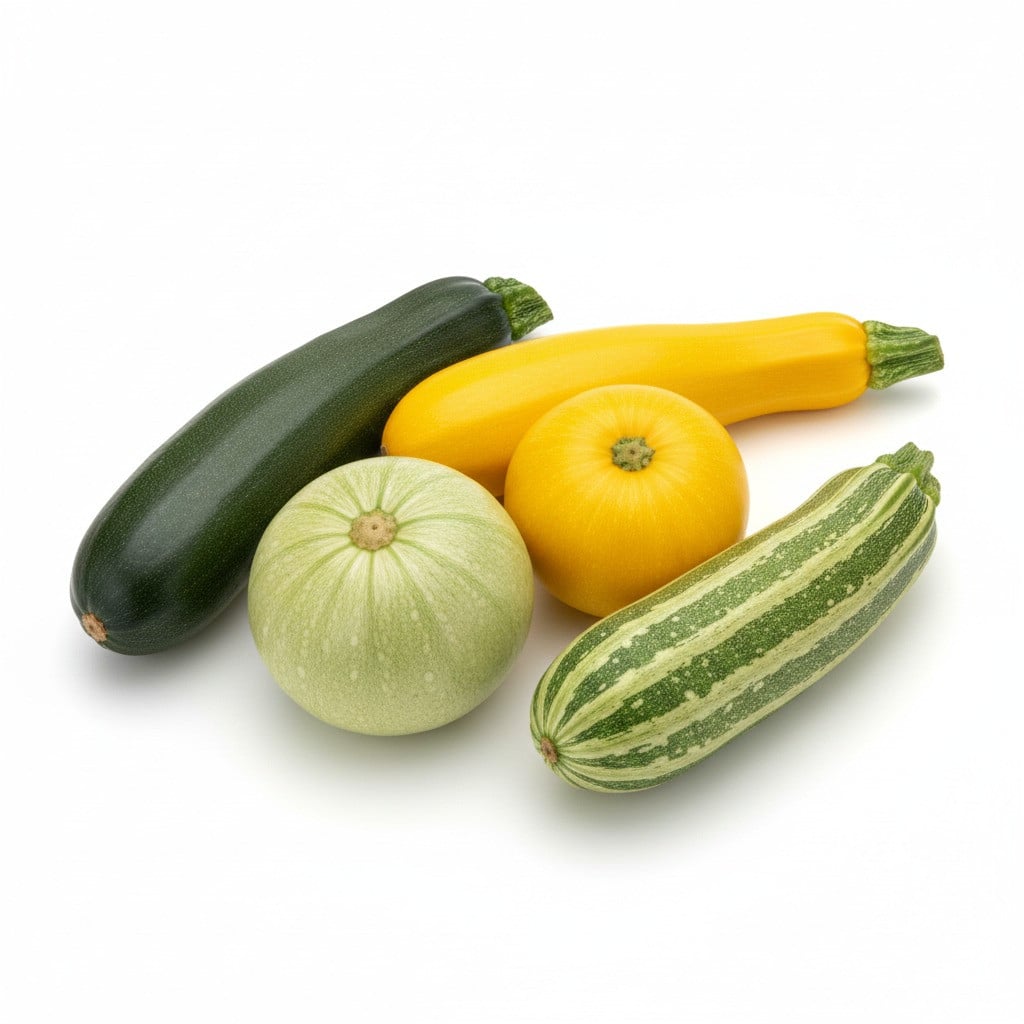 +
+
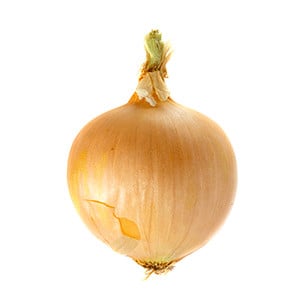
Your onions keep pests away from courgettes with their scent and help prevent powdery mildew.
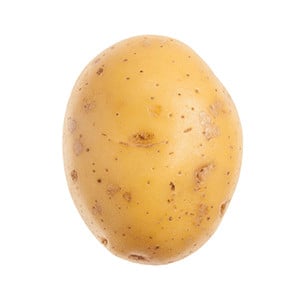 +
+
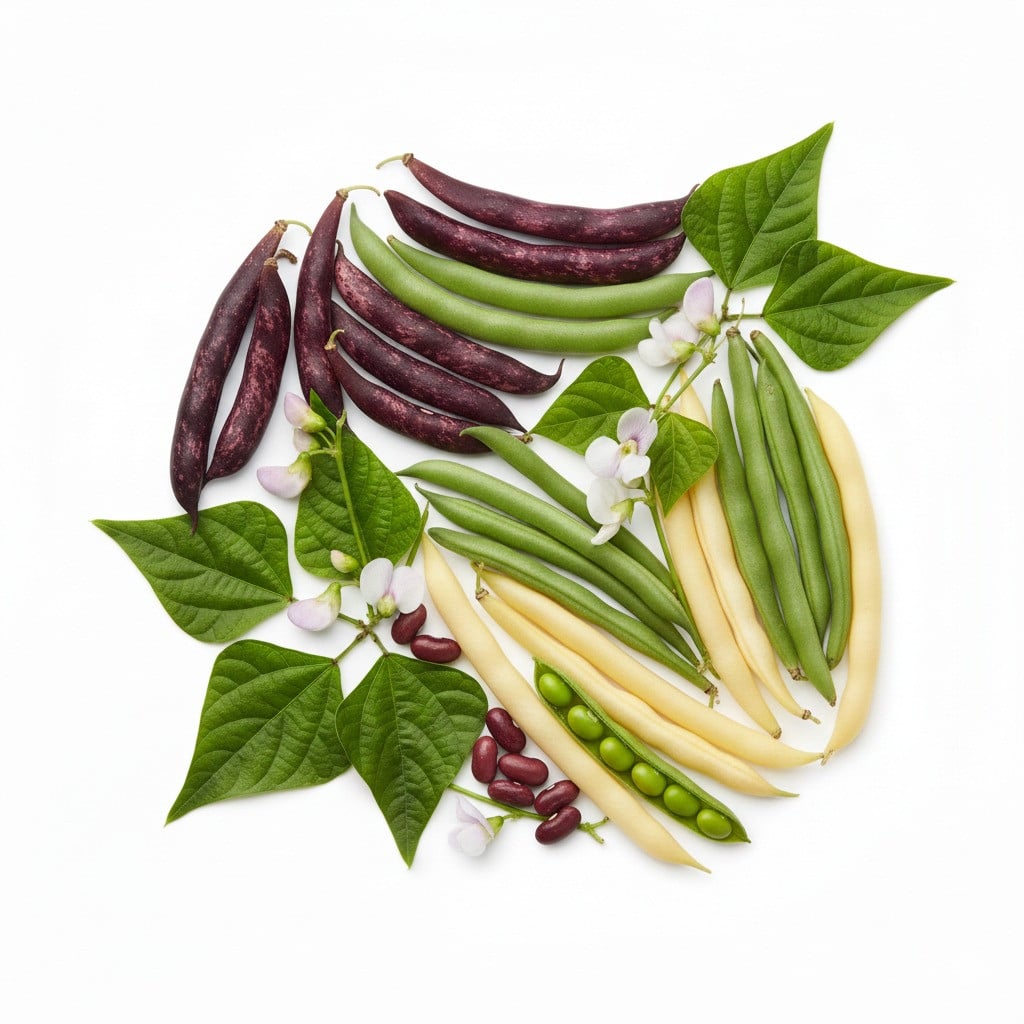
Dwarf beans provide nitrogen for your potatoes, and their shallow roots don't compete for space.
 +
+
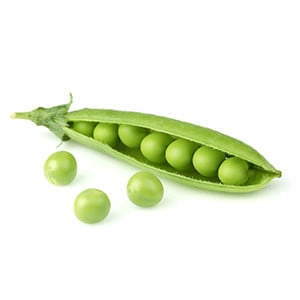
Radishes + Pea
Radishes serve as marker seeds and make optimum use of garden space as they germinate quickly before your peas grow.
Plan companions visually
Drag and drop crops in the Fryd bed planner to see companion matches.
Try Fryd →Growing Tips for Brussels
Consistent Moisture for Radishes
Radishes love humus-rich, well-draining soil and consistent moisture for quick growth. If they dry out, the roots can become woody, overly spicy, and fuzzy. So, make sure to water them regularly.
Onions Love Sun and Loose Soil
Onions thrive best in a full-sun, warm spot, as they need plenty of light and heat. Provide loose, humus-rich, and slightly moist soil. A bit of clay in the soil can even be beneficial!
Chit Potatoes for a Better Start
Place potatoes in a bright, cool spot (10–15 °C or 50-59°F) for 3–4 weeks before planting to chit them. This encourages strong shoots and a better start in the garden. Avoid overly warm places, as the sprouts can become long and thin.
Start Pumpkins and Courgette Indoors
For pumpkins and courgette, it's a good idea to start seedlings indoors from April to June to ensure healthy growth. These plants need plenty of space and nutrient-rich soil. Make sure they get consistent water and nutrient supply.
Common Pests & Diseases
Tackling Aphids
Regularly check your plants for aphids, especially on new shoots. For a light infestation, you can spray them off with a strong stream of water or use a soapy water solution. Beneficial insects like ladybirds are natural predators.
Keeping Slugs in Check
Slugs can be particularly damaging to young plants. Collect them regularly, especially after rain or in the evening. Slug fences or setting out beer traps can also help protect your beds.
Preventing Powdery Mildew
Powdery mildew is a fungal disease that spreads quickly in humid weather. Ensure good air circulation between plants and choose resistant varieties. If an infestation occurs, milk-water mixtures or specific sprays can help.
Spotting Potato Beetles Early
Keep an eye out for potato beetles and their larvae, which can severely damage potato plants. Hand-pick the beetles and larvae regularly. Crop rotation in your beds can also help with prevention.
Frequently Asked Questions
When should I plant tomatoes in Brussels?
You should start tomatoes indoors in Brussels from March to May to get strong young plants. Outdoor sowing or germination is possible from June to July, with harvesting from July to October. Make sure to wait until after the last frosts before transplanting them outdoors.
What climate zone is Brussels in?
Brussels is in climate zone 8b. This zone is characterised by relatively mild winters, which allows for growing a wide variety of plants. You can rely on this classification to choose suitable plants for your garden.
Which vegetables grow best in Brussels?
Many cold-hardy plants thrive in Brussels, such as lettuce, Swiss chard, radishes, and carrots. Potatoes, kohlrabi, and broccoli also yield well due to the temperate climate. Later in the year, you can also grow warm-weather crops like pumpkins and courgette.
When is the last frost in Brussels?
The last frost in Brussels is typically expected in early April. It's wise to wait until after this date to plant frost-sensitive plants like tomatoes, cucumbers, or beans outdoors. Keep an eye on the weather forecast to be prepared for any unexpected cold snaps.