Ariane

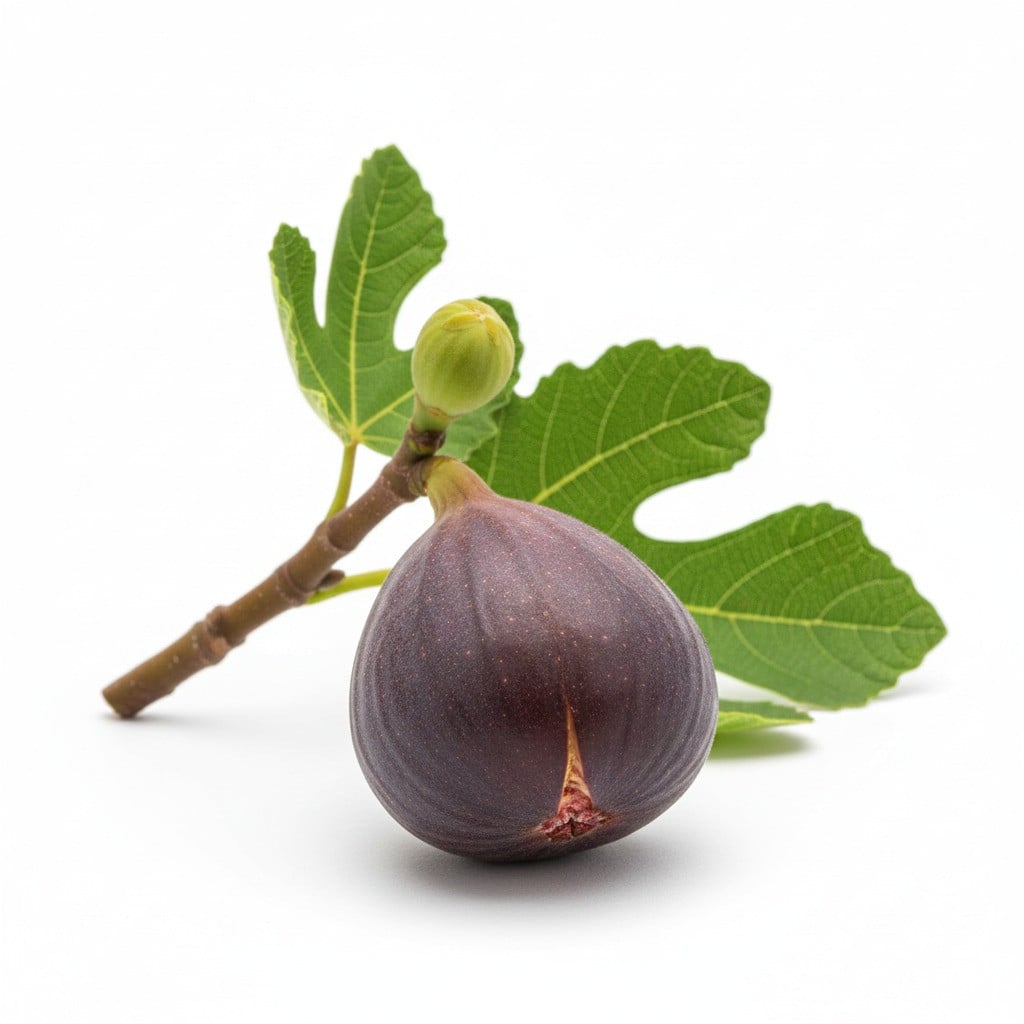
Variety
Ariane
created by Möwe at 23.02.2026
Seed packet
Features
Growth habit
growth habit: bushy
medium to strong growth
height: over 400 cm
wide: 300 - 400 cm
harvest: profitable
harvest: early-ripening
Color
Frucht: goldgelb
Fruchtfleisch: gelb
Taste
juicy
Geschmacksrichtung: Süße: stark
aromatic
Resistances
cold tolerant
Location
planting: outdoor
planting: house wall / wall
light: sunny to semi-shady
Planting: pots, tubs, or boxes
Fruit shape
Form: rund
Season Overview
Planting
Harvest
Harvest
J
F
M
A
M
J
J
A
S
O
N
D
1ST YEAR
FOLLOWING YEARS
Description
Origin The Ficus genus comprises over 800 species, which originate from tropical and subtropical regions around the world. They are all members of the mulberry family (Moraceae). Probably the best-known representative of the Ficus genus is the fig tree (Ficus carica), which is native to Asia Minor and produces the highly sought-after edible figs. Among the numerous species and varieties, there are also some representatives that have a long tradition as houseplants in our region. The classics clearly include the weeping fig (Ficus benjamina) and the rubber tree (Ficus elastica). Appearance and growth In addition to trees and shrubs, a number of climbing plants also belong to the Ficus genus. The fig tree (Ficus carica) and the rubber tree (Ficus elastica), for example, grow in a tree-like form, while the climbing fig (Ficus pumila) and Ficus sagittata develop as climbers. The leaves are usually undivided and arranged alternately. All Ficus species also have a similar inflorescence, and they share similarities in terms of fruit shape and rubber-containing latex. The flowers are usually inconspicuous within a cup-shaped structure. At the tip, a narrow channel opens up, through which small insects can enter. Ficus flowers are usually pollinated by fig wasps. Botanically speaking, the fruits are aggregate fruits – the best known are certainly the fruits of the common fig. Caution is advised for allergy sufferers: the latex-containing milky sap of some species can cause skin irritation and breathing difficulties in sensitive individuals.
Non hybrid
Frostproof
Growing tips
Location and substrate In mild winter regions, some representatives, such as the real fig, can be cultivated planted out in the garden. In harsh locations, the frost-sensitive specimens are better kept as potted or indoor plants. When choosing a location and substrate, pay close attention to the needs of the individual species and varieties. Variegated fici are generally more sensitive and require more warmth, humidity and light - direct midday sun should be avoided at all costs, however, as it can lead to leaf burns. In summer, many potted plants can be placed in an airy and bright spot on the patio or balcony, protected from direct sunlight. In winter, temperatures of around 16 to 18 degrees Celsius are often advisable - for example in a conservatory or heated greenhouse. But be careful: an abrupt change of location and draughts can cause a ficus to lose its leaves. For many Ficus representatives, it is important that the substrate is as permeable and structurally stable as possible, as they do not tolerate waterlogging well. High-quality potting soil or container plant soil is often recommended for potted plants. However, you can also mix the substrate yourself, for example for the birch fig. To do this, add mineral additives such as building sand, lava chippings, garden soil and clay granules to around a third to a half of the houseplant soil. Planting ficus If you want to plant a robust fig tree permanently in the garden in a sunny, sheltered spot, spring after the last frosts is a good time to do so. Make sure you overwinter the fig tree properly, especially if it is a newly planted specimen. If you buy a new ficus in a pot, it is often advisable to replace the substrate straight away. This is because some potted and indoor plants do not have good quality soil. Care tips During the growing season, the substrate for potted plants and houseplants should usually be kept moderately moist; water more sparingly in winter when it is cooler. Use rainwater at room temperature or tap water that is not too calcareous and always allow the soil surface to dry out well in between. To recognize when the next time is right to water a ficus, the finger test has proven its worth. If the soil still feels slightly wet, it is better to wait before watering. The leaves of potted plants can turn yellow and fall off if the soil is wet or dry. Fertilizing a ficus should also be done according to the growth rhythm. Potted plants are usually fed between April and September with high-quality liquid pot plant fertilizer or green plant fertilizer, which is applied with the irrigation water. Pay attention to the dosage recommendations on the packaging. Reduce the amount of fertilizer in winter. All Ficus species tolerate pruning well and are easy to regenerate. You can therefore shape your Ficus as you wish, even radical pruning is tolerated. You should always wear gloves when pruning your ficus. Otherwise the sap can irritate the skin. Repotting is usually only advisable when the container is fully rooted. The best time for this is spring. And another tip: dust builds up on the leaves of some houseplants over time. This should be removed with a soft cloth. Some Ficus species also benefit from a lukewarm shower. Propagation Most Ficus species and varieties can be successfully propagated by cuttings. These form roots quickly if they are placed in potting compost, the substrate is kept evenly moist and a high level of humidity is ensured. Rooting in a glass of water is also often possible. Some Ficus species, such as Ficus microcarpa, can be propagated by sowing (light germinators). Ficus carica can also be easily propagated by cuttings. Diseases and pests Sticky leaves on Ficus are a clear indication of pests such as aphids, scale insects or whiteflies. Over time, black mold and sooty mold can colonize the honeydew. Houseplants in particular should therefore be checked regularly for infestation. Spider mites can also appear on some Ficus representatives. If the plants are too cold or too wet, the roots will die and yellow-brown spots will appear on the edges of the leaves.
Details


Light requirement
Sunny

Water requirement
Moist

Soil
Medium (loamy)

Nutrient requirement
Medium

Plant distance
300 cm

Row spacing
300 cm

Seeding depth
0.2 cm

Companion Plants

Antagonistic Plants
No antagonistic plants

Diseases
No diseases

Pests
Spider mites
Aphids