Plakakia
11.06.2026, 14:58
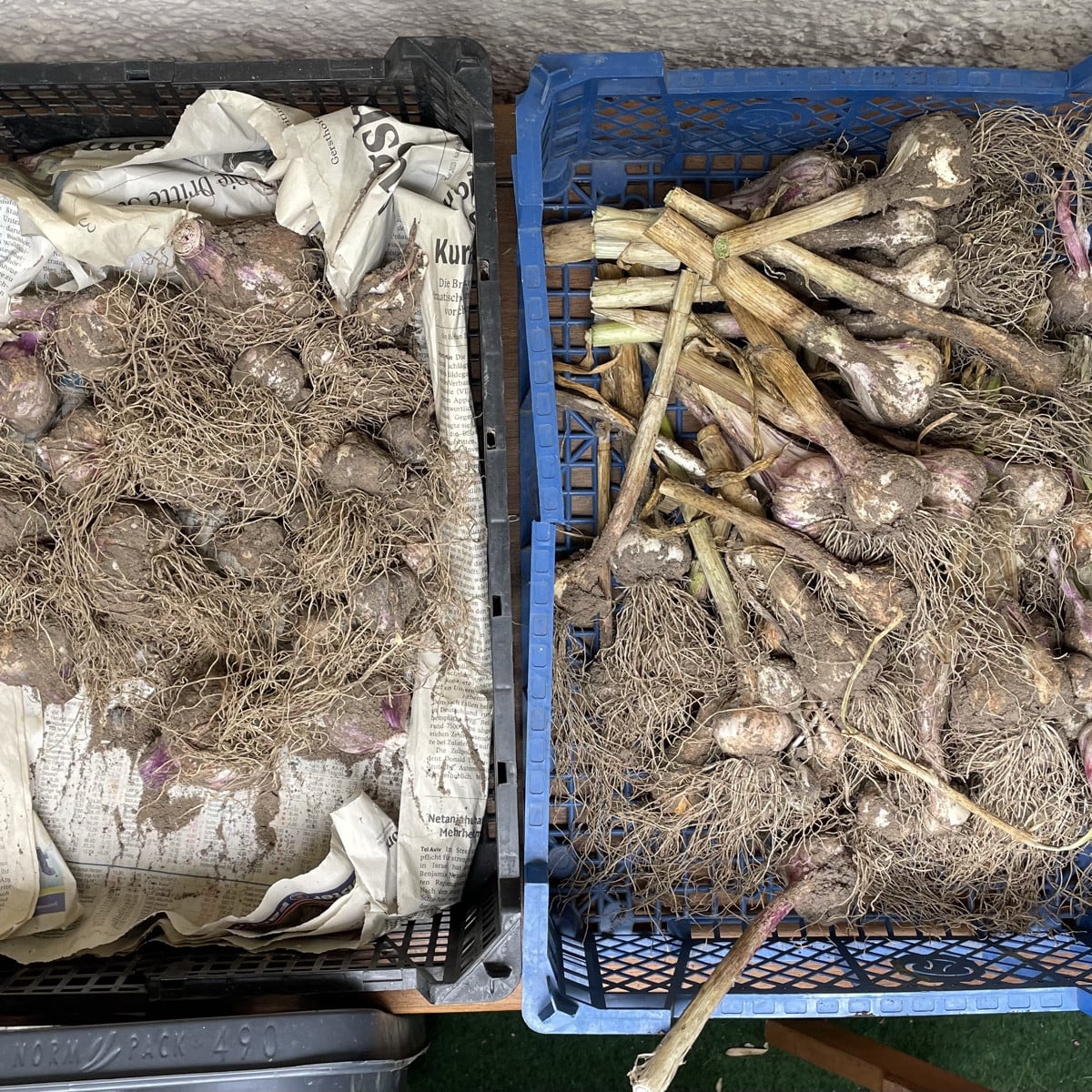
Unfortunately, I had to clear out my strawberry bed because the plants had root rot. But I was able to harvest plenty of garlic (Photo 1). However, almost all of it was hardneck, even though I had specifically ordered a softneck variety. 😢
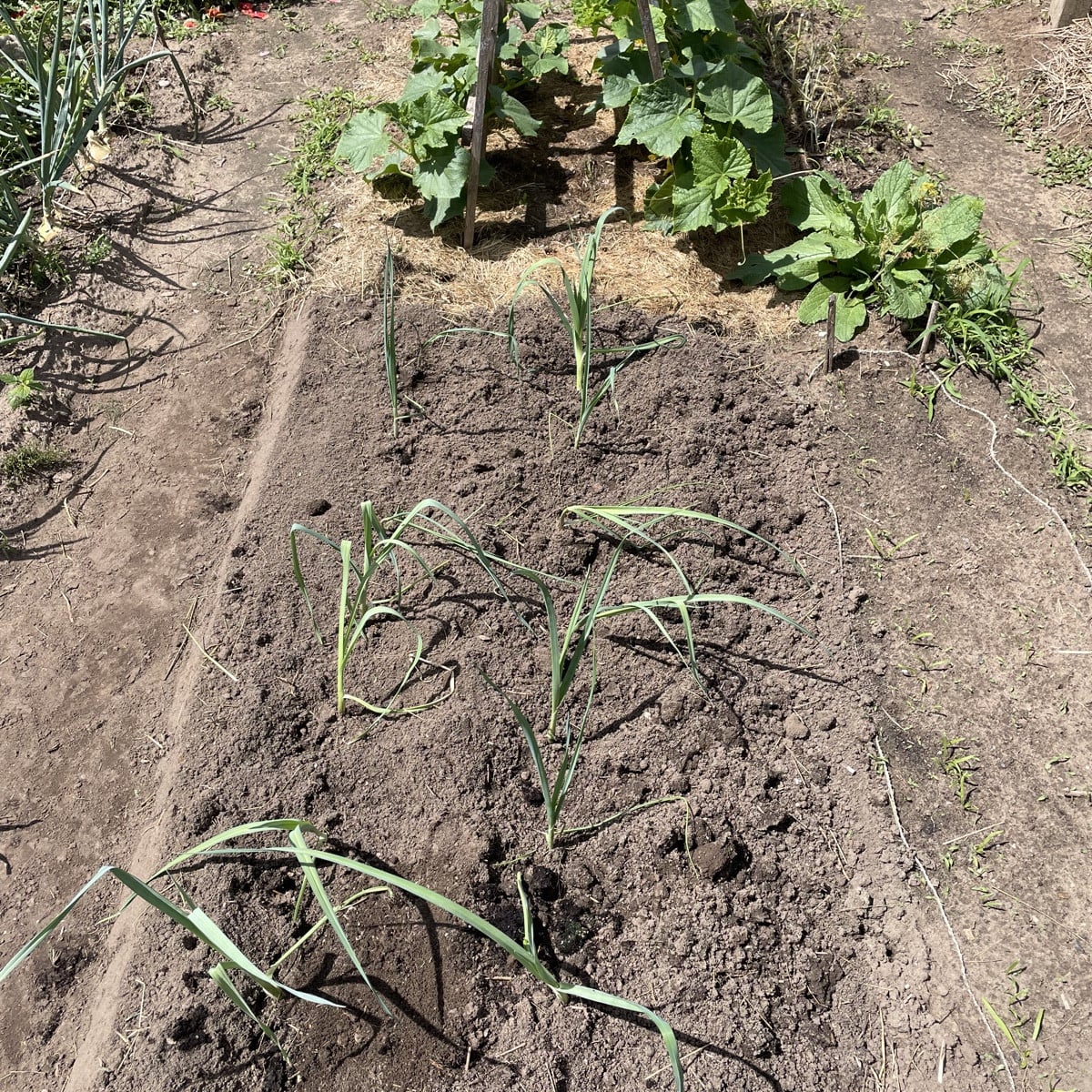
I also took down my cold frame and was finally able to plant my pre-grown leeks there. (Picture 2)
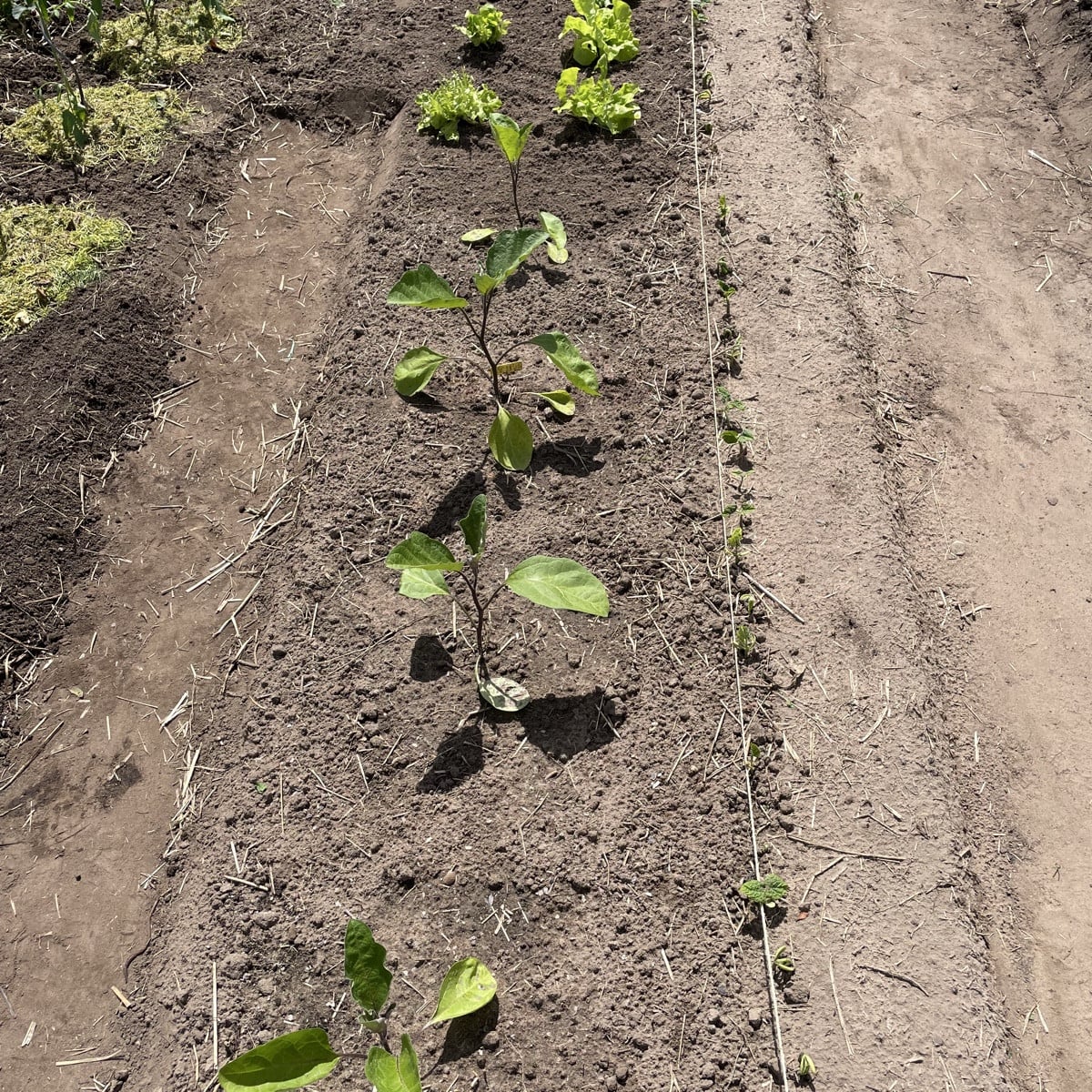
The lettuce plants (or what the snails left of them) from the cold frame have been moved to the former strawberry bed, along with the pre-grown eggplants. I’m curious to see what I’ll be able to harvest from them. (Picture 4)
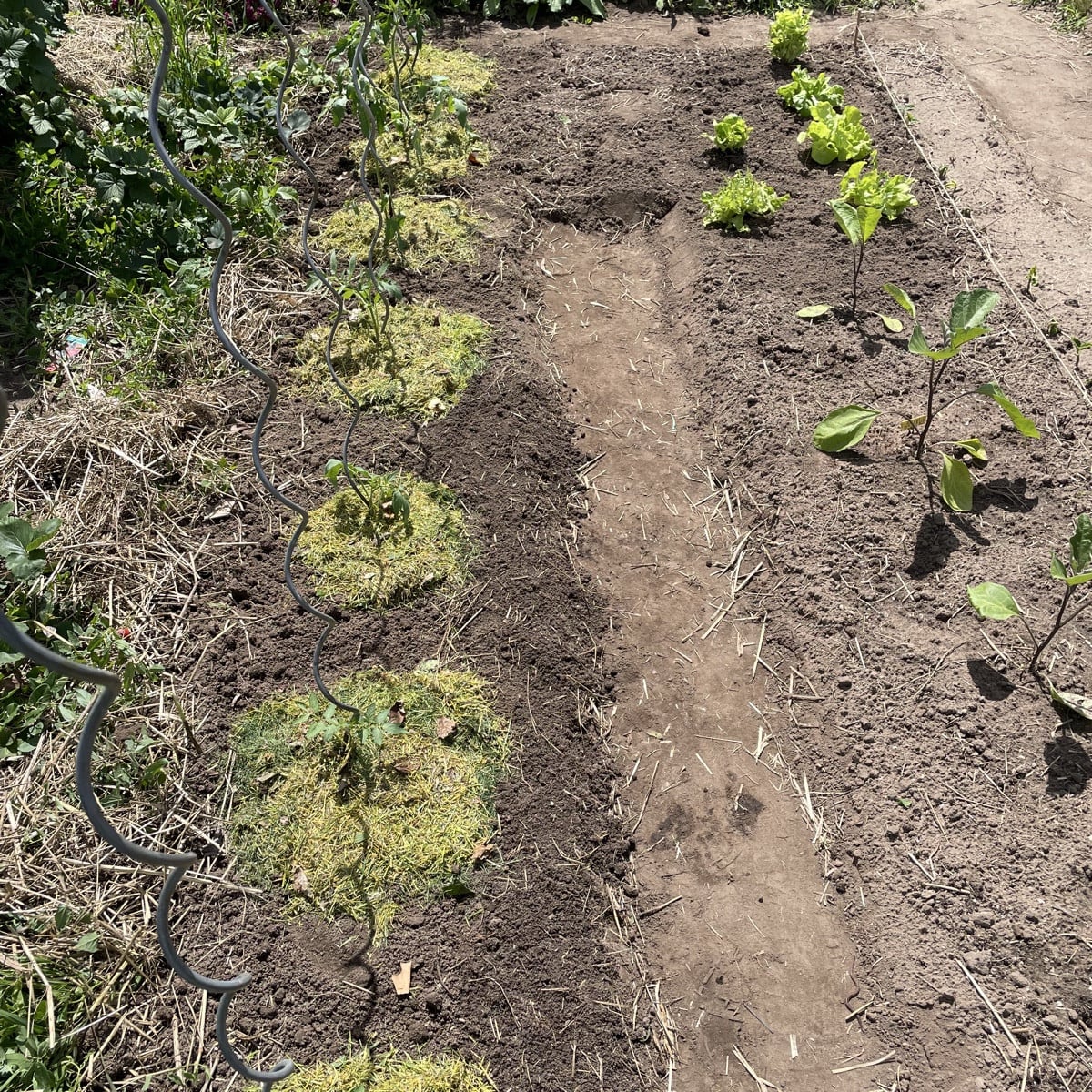
The same goes for the tomato plants, for which I’ve finally cleared a spot. I mulched with the leftover grass clippings I still had. (Picture 3)
The 5 snails that had been hiding under the hay in the cold frame had to go—at least they’ll leave the lettuce alone now. Using hay isn’t always such a good idea after all 🫣
4 Likes
3 Comments
Comments
Ach ja, und ganz rechts keimt jetzt auch noch eine Reihe Buschbohnen.
Hardneck, Softneck? Kannst du mich bitte aufklären?
Der Unterschied ist da, wo das Grün aus der Knolle herauskommt. Bei hardneck Pflanzen ist das ein richtig fester Stiehl, bei Softneck Pflanzen eher weich, wie bei Zwiebeln. Ich finde die Softneck Sorten leichter weiter zu verarbeiten. Und große geschmackliche Unterschiede habe ich bisher nicht feststellen können. Soll es aber wohl geben.

