Women's coats

Women's coats
Alchemilla
Plant family
Rose family (Rosaceae)
Cultivation Break
0 Years
Season Overview
Sowing
Harvest
Harvest
J
F
M
A
M
J
J
A
S
O
N
D
1ST YEAR
FOLLOWING YEARS
Details


Light requirement
Semi-shaded

Water requirement
Moist

Soil
Medium (loamy)

Nutrient requirement
Medium

Light germinator

Germination temperature
10 - 18 °C (Degrees Celsius)

Plant distance
30 cm

Row spacing
30 cm

Seeding depth
0.5 cm
Instructions
Description
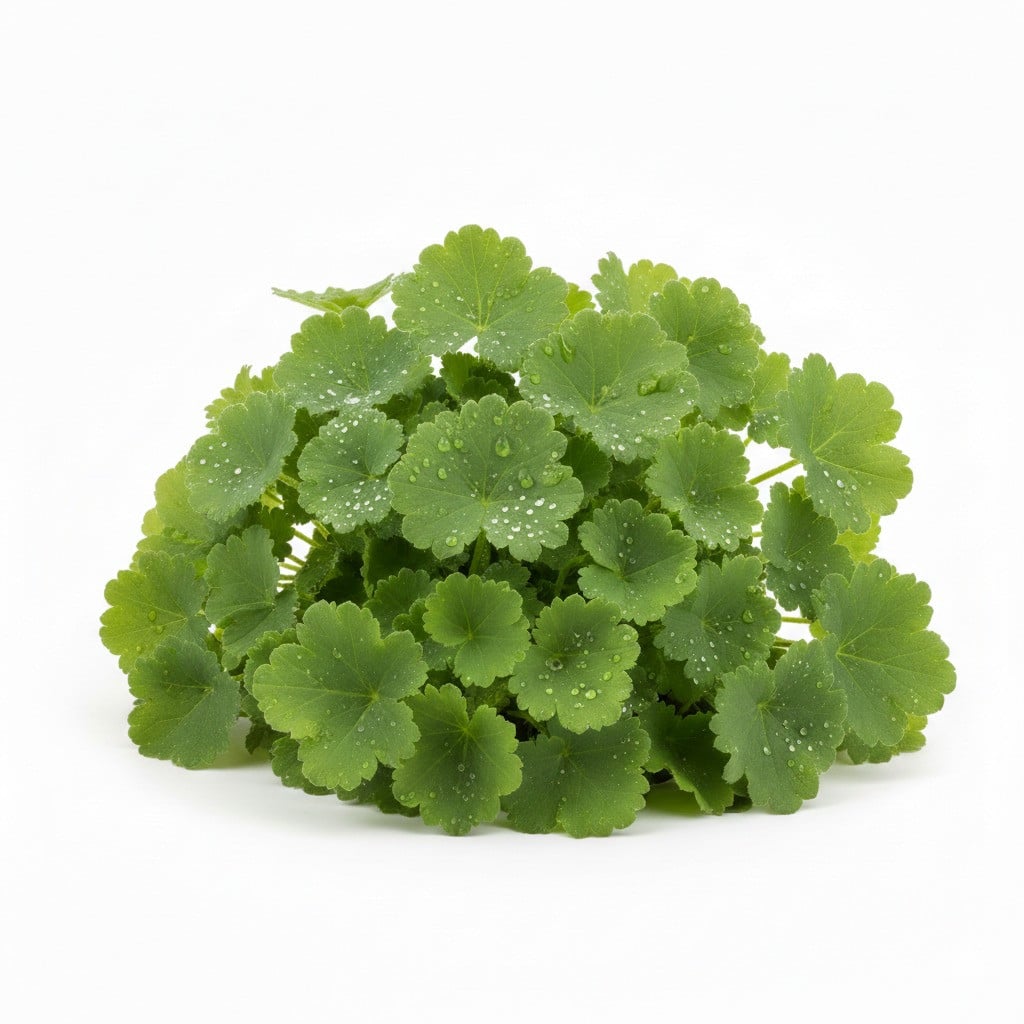
Lady's mantle belongs to the rose family (Rosaceae). The genus lady's mantle (Alchemilla spp.) comprises several hundred species that are found all over the world. In Central Europe, the most common species are common lady's mantle (Alchemilla vulgaris agg.), soft lady's mantle (Alchemilla mollis) and yellow-green lady's mantle (Alchemilla xanthochlora). The species are often difficult to distinguish, which is why many plants are assigned to the Alchemilla vulgaris complex. Lady's mantle is a perennial herb that grows upwards in a rosette of around 20 - 40 cm. The plant remains quite compact in growth and therefore only requires a moderate amount of space. Its fan-shaped, rounded leaves are typical of the plant. Condensation often collects here, which is also a characteristic feature of the genus. Between May and August, rather small, inconspicuous flowers appear, which are rich in nectar. Lady's mantle is a robust plant, tolerant of drought and cold. It provides plenty of food and habitat for insects. It is also a long-used medicinal plant that helps with inflammation, menstrual cycle problems and digestive problems.
Origin:
Lady's mantle is originally native to the entire temperate zone of Eurasia, with a strong focus on Europe and the mountainous regions of the continent. From there it has spread to gardens all over the world.
Growing tips
Lady's mantle can be sown directly into the bed or pre-grown, although direct sowing is usually less complicated. The seeds need a cold stimulus to germinate, which you have to create artificially when growing them. Otherwise it won't work. Germination usually takes quite a long time (between two and four weeks).


Antagonistic Plants
No antagonistic plants

Diseases
Root Rot
Powdery mildews
Pests
Aphids