Königslilie-Album

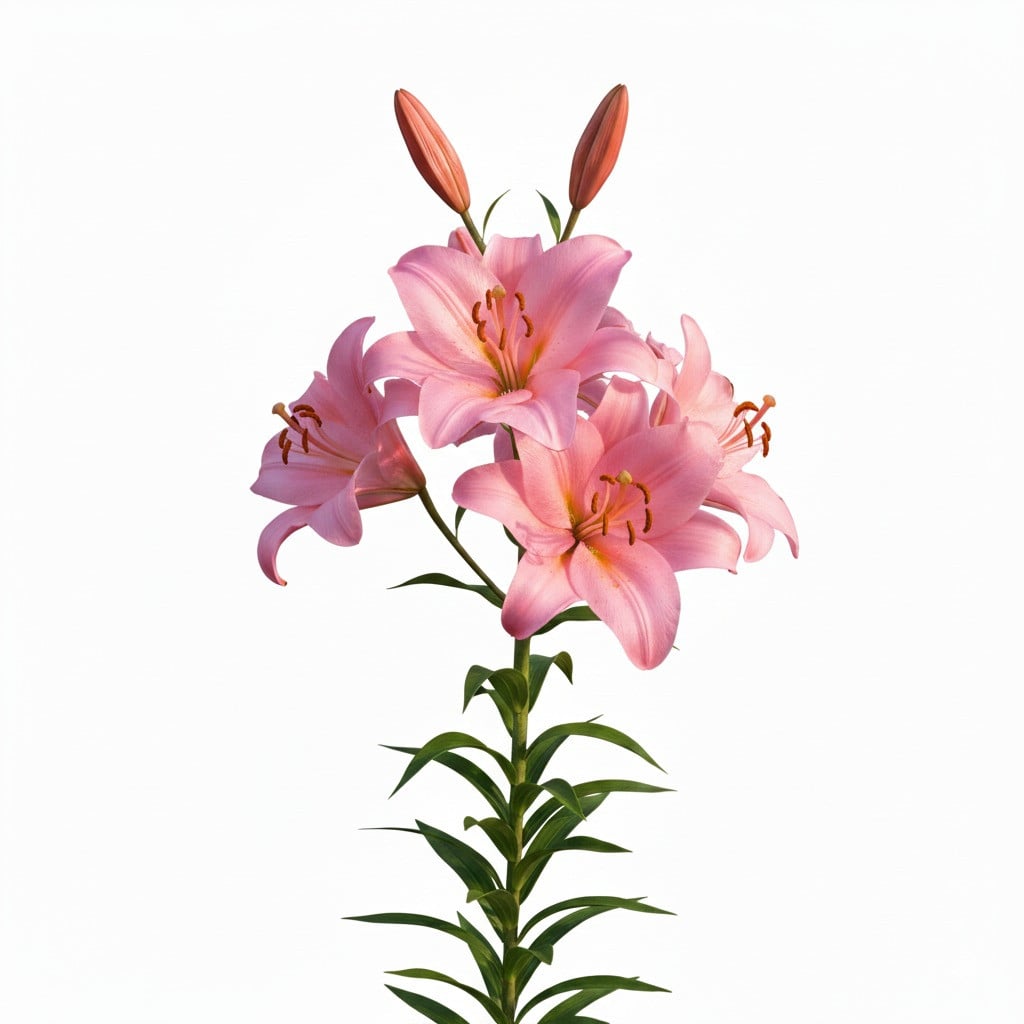
Variety
Königslilie-Album
created by Möwe at 24.02.2026
Seed packet
Features
Growth habit
growth habit: high
lifespan: perennial
growth habit: upright
ornamental plant
Fragrant flowers
Color
Flower: white
Resistances
Winter hardy
Location
planting: bed
planting: outdoor
Soil: permeable soil
Fertilization: nutrient-rich
light: sunny to semi-shady
Season Overview
Sowing
Harvest
Harvest
J
F
M
A
M
J
J
A
S
O
N
D
1ST YEAR
FOLLOWING YEARS
Description
The white royal lily (Lilium regale Album) is not only beautiful, but also very easy to care for and robust. Apart from a sunny spot and sandy to loamy soil with good drainage and plenty of nutrients, it does not need much attention. Once the conditions are right, the lily grows very reliably and develops well. The flowers are edible and are also used in cooking in their place of origin in China.
Non hybrid
Frostproof
Growing tips
The location and soil required by lilies varies slightly from group to group. It is therefore best to find out about the exact requirements of your lily when you buy it. The Asiatic wild species, for example the saffron lily (Lilium bulbiferum ssp. croceum) or the tiger lily (Lilium lancifolium), the Easter lily (Lilium longiflorum) and their hybrids prefer a sunny to semi-shady location with a fresh, humus-rich, nutrient-rich and well-drained soil. The Turk's cap lily and its numerous hybrids have similar requirements to the Asiatic wild species, but a semi-shady location is preferred to a sunny one - just like the Oriental wild species. The substrate can also be calcareous. The Madonna lily also likes a somewhat chalky substrate, but prefers a sunny spot with fresh, loose soil. American wild species such as the panther lily (Lilium pardalinum) and its hybrids, on the other hand, prefer lime-free soil. They can also cope with slightly damp soil. All lily species thrive best in a slightly acidic substrate. It should be noted that although most lilies require a sunny location, the soil around the plant should be shaded. This can be achieved with a low companion planting. Alternatively, a mulch layer of compost or bark humus can be used.
Details


Light requirement
Sunny

Water requirement
Moist

Soil
Medium (loamy)

Nutrient requirement
Medium

Plant distance
30 cm

Row spacing
30 cm

Seeding depth
15 cm

Companion Plants

Antagonistic Plants

Diseases
Dry rot of crucifers
Septoria
Grey mold
Fusarium

Pests
Land snails
Aphids
Voles