Jolie

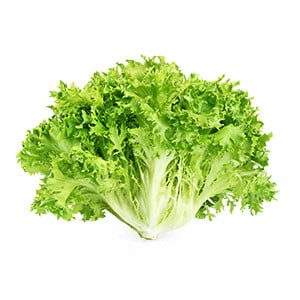
Variety
Jolie
created by MeineDas at 16.09.2026
Features
Growth habit
lifespan: annual
Winter variety
Autumn variety
growth habit: head forming
Color
light green / pale green
yellow-green
Taste
Slightly bitter
delicate
pleasant
delicious, pleasant taste
Resistances
resistant
cold tolerant
Location
planting: outdoor
planting: raised bed
planting: bed
light: sunny to semi-shady
Soil: permeable soil
Fertilization: single dose of compost
Fertilization: nutrient-poor
Water: regularly
Cultivation Break
3 Years
Season Overview
Sowing
Harvest
J
F
M
A
M
J
J
A
S
O
N
D
Description
This new Frisée Indivie variety impresses with its beautiful, densely packed heads that are rich in yellow. Thanks to its hardiness, this variety is easy to grow. It has a wide planting and harvesting window.
Non hybrid
Frostproof
Growing tips
from mid-June through late July. The seeding depth is one centimeter. A piece of nonwoven fabric protects the seeds from drying out during the summer months. The seeds germinate best under consistently moist and cool conditions. If the plants are too crowded, transplant them as shallowly as possible, spacing them 30 centimeters apart in the garden bed. Endive forms taproots, which should remain undamaged as much as possible. Afterward, water the young lettuce thoroughly. After transplanting, the plants need plenty of water. After heavy rains, loosen the soil. In the fall and winter, endive occasionally needs frost protection, as it can only tolerate temperatures down to -2 °C. If milder weather follows, remove the cover so the plants can dry off and light can reach the heads. This prevents rot.
Details


Light requirement
Sunny

Water requirement
Moist

Soil
Medium (loamy)
Nutrient requirement
Low

Germination temperature
8 °C (Degrees Celsius)

Plant distance
30 cm

Row spacing
30 cm

Seeding depth
2 cm

Companion Plants
Arugula / Rocket
Basil
Bean ((Scarlet) runner bean)
Bean (Broad bean / Faba bean / Field bean)
Bean (Dwarf bean)
Bean (Hyacinth bean / Lablab-bean)
Bean (Lima Bean)
Bean (Runner bean)
Beetroot
Carrots
Chickpea
Chives
Common marigold
Coriander / Cilantro
Dill
Garlic
Garlic chives
Grasses - feather-bristled grasses, lamp-cleaning grasses
Grasses - Fescue
Lavender
Leeks
Onion
Onion (Spring onion)
Oregano
Parsley
Parsnip
Pea
Radish
Radishes
Root parsley
Rosemary
Sage
Soybean
Succulents
Sweet pea
Tagetes / Marigolds
Thyme
Yarrow

Antagonistic Plants
Artichoke
Aster
Aubergine / Eggplant
Brussels sprouts
Cabbage (red cabbage)
Celery (Celeriac / Celery root)
Celery (Celery)
Celery (Leaf celery / Chinese celery)
Coneflower (Echinacea)
Corn / Maize
Courgette / Zucchini
Cucumber (African horned cucumber / Kiwano)
Cucumber (Caigua)
Cucumber (Melothria)
Cucumber / Gherkin
Hair cucumbers / snake gourds
Jerusalem artichoke / Topinambur
Larkspur
Lettuce (Common chicory)
Lettuce (Lamb's lettuce)
Lettuce (Lettuce)
Lettuce (Puntarelle / Cicoria di catalogna / Cicoria asparago)
Lettuce (Radicchio / Italian chicory)
Lettuce (Sugar loaf)
Lovage
Melon (Sugar melon)
Melon (Watermelon)
Mint
Nightshades (Other)
Okra
Ornamental pumpkin
Peony
Potato
Pumpkin / Squash
Rapeseed
Sea coal
Sponge gourd / Egyptian cucumber / Vietnamese luffa
Vegetable cabbage - Forage cabbage

Diseases
Root Rot
Blight of carrot
Downy mildew
Bacterial canker

Pests
Cutworms
Leaf-miner flies
Flea beetles
Aphids
Land snails