Muscat Bleu

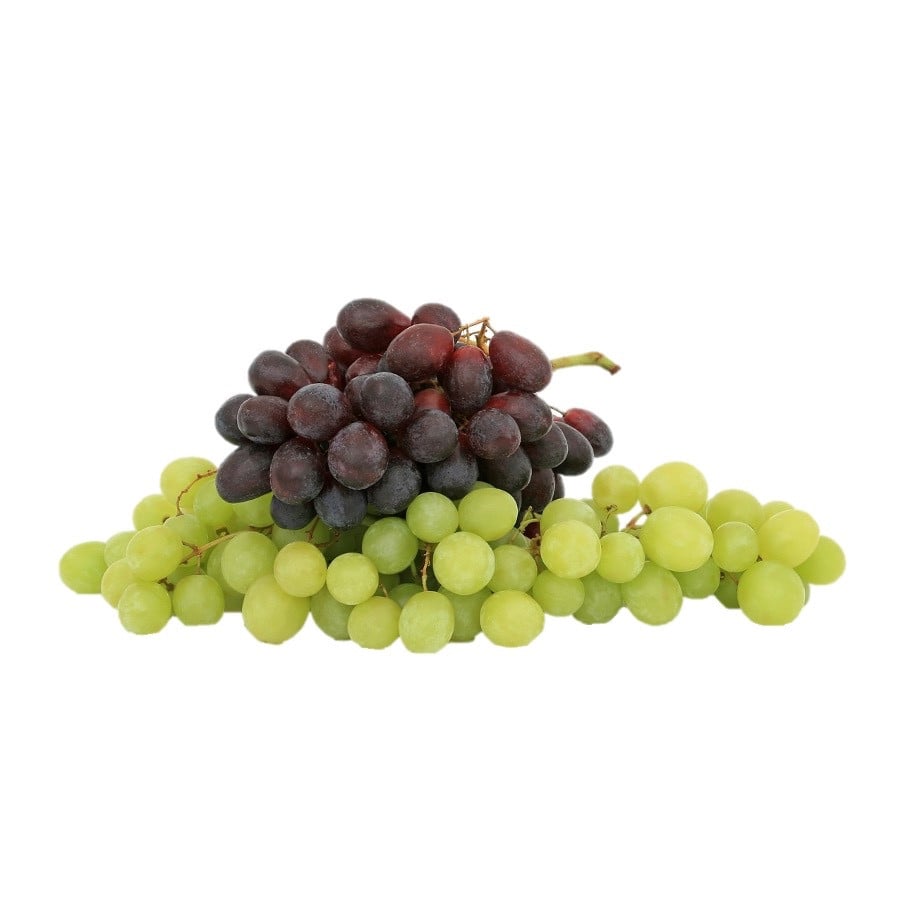
Variety
Muscat Bleu
created by patronbernard at 17.08.2026
Features
Growth habit
growth habit: rank
lifespan: perennial
growth habit: thornless
growth habit: climbing
growth habit: high ranking
growth habit: high
Climbing plant
root type: taproot
self-fruiting
leaves: Deciduous
growth habit: can be tied up
growth habit: needs climbing support
root type: deep-rooted
medium to strong growth
height: 250 - 300 cm
wide: 30 - 40 cm
leaves: leafy
growth habit: becoming woody
small flowers
large leaves
Pruning necessary
strong growth
propagation by grafting
fruit on one-year-old wood
Schnitt: Form
Schnitt: Erhaltung
Schnitt: zeitiges Frühjahr
Schnitt: Spätwinter
Schnitt: nach Ernte
Schnitt: Herbst
Schnitt: Sommer
Schnitt: notwendig
Schnitt: möglich
Pruning: Partially necessary
Blüte: kurzlebig
Frucht: am diesjährigen Holz
Life cycle: sprouts in spring
Taste
fruity
bitter free
sugary sweet
fine
refreshing
slightly sour
raw edible
sour
delicious, pleasant taste
juicy
wine aroma
nutmeg aroma
full-bodied
Geschmacksrichtung: Süße: stark
Essbarkeit: Frucht
Flavor: Sweetness: very strong
Resistances
downy mildew resistant
hardy down to -15°C
Location
planting: outdoor
planting: house wall / wall
light: sunny to semi-shady
Soil: permeable soil
fertilization: humus-enriched
Soil: all soil types
Soil: Well fertilized
soil moisture: fresh to moist
Soil: regular garden soil
Fertilization: moderately nutrient-rich
Soil: light to medium-heavy
Soil: deep
Season Overview
Planting
Harvest
Harvest
J
F
M
A
M
J
J
A
S
O
N
D
1ST YEAR
FOLLOWING YEARS
Description
Grapevines (Vitis vinifera) belong to the grapevine family (Vitaceae). They are climbing plants and can also be easily grown in your own garden. In addition to traditional wine grapes, there are also table grapes, which are particularly well-suited for eating fresh. The grapes come in shades of yellow-green, rust-red, or blue-violet. The flowering period is between mid-May and mid-July. They require a warm, sunny location to grow. In cooler regions, a sheltered location is recommended, as the grapes ripen late. Grapevines are undemanding when it comes to soil and thrive in most soil types.
Growing tips
Mid-April is a good time to plant grapevines. Plant the vine in a hole 50 cm deep so that the graft union is above ground. Then press the soil down firmly and water thoroughly. Regular watering is important, as grapevines have high water requirements. Be sure to avoid waterlogging, as grapevines cannot tolerate it at all. Once a year, the vine should be fertilized with some compost. Regular pruning in the spring and summer is necessary, as the grapes form on new shoots. In addition, leaves that cast heavy shade on the grapes should be removed, as they otherwise delay the ripening process. In winter, mound some soil or compost around the vine for frost protection and, if necessary, cover it with fir branches or garden fleece (especially for young vines). They require a trellis. Grapevines are self-pollinating. They can also be grown in pots or containers. However, growing them in containers is only possible if the container remains frost-free in winter!
Details


Light requirement
Sunny

Water requirement
Moist

Soil
Medium (loamy)

Nutrient requirement
Low

Plant distance
100 cm

Row spacing
250 cm

Seeding depth
45 cm

Companion Plants
Alfalfa / Lucerne
Basil
Bean ((Scarlet) runner bean)
Bean (Broad bean / Faba bean / Field bean)
Bean (Dwarf bean)
Bean (Lima Bean)
Bean (Runner bean)
Blackberry / Brambles
California poppy / Golden poppy
Chives
Clover / Trefoil
Common marigold
Hyssop
Lovage
Lupine / Bluebonnet
Melissa
Mint
Mustard
Pea
Poppy family
Rosemary
Sage
Soybean
Sweet lupins
Thyme

Antagonistic Plants
Broccoli
Brussels sprouts
Cabbage (Cabbage)
Cabbage (red cabbage)
Cabbage (Savoy cabbage)
Cauliflower
Collard greens (Kale)
Collard greens (Tuscan kale / Dinosaur kale / Palm tree kale)
Garlic
Garlic chives
Horseradish
Kohlrabi / German turnip / Turnip cabbage
Lettuce (Common chicory)
Lettuce (Endive / Escarole / Erisée)
Lettuce (Lamb's lettuce)
Lettuce (Lettuce)
Lettuce (Oriental greens / Brown mustard)
Lettuce (Radicchio / Italian chicory)
Lettuce (Sugar loaf)
Napa cabbage / Chinese cabbage
Oil radish / Fodder radish
Radish

Diseases
Grey mold
Downy mildew
Powdery mildews

Pests
Spotted wing drosophila