Sauerkirsche

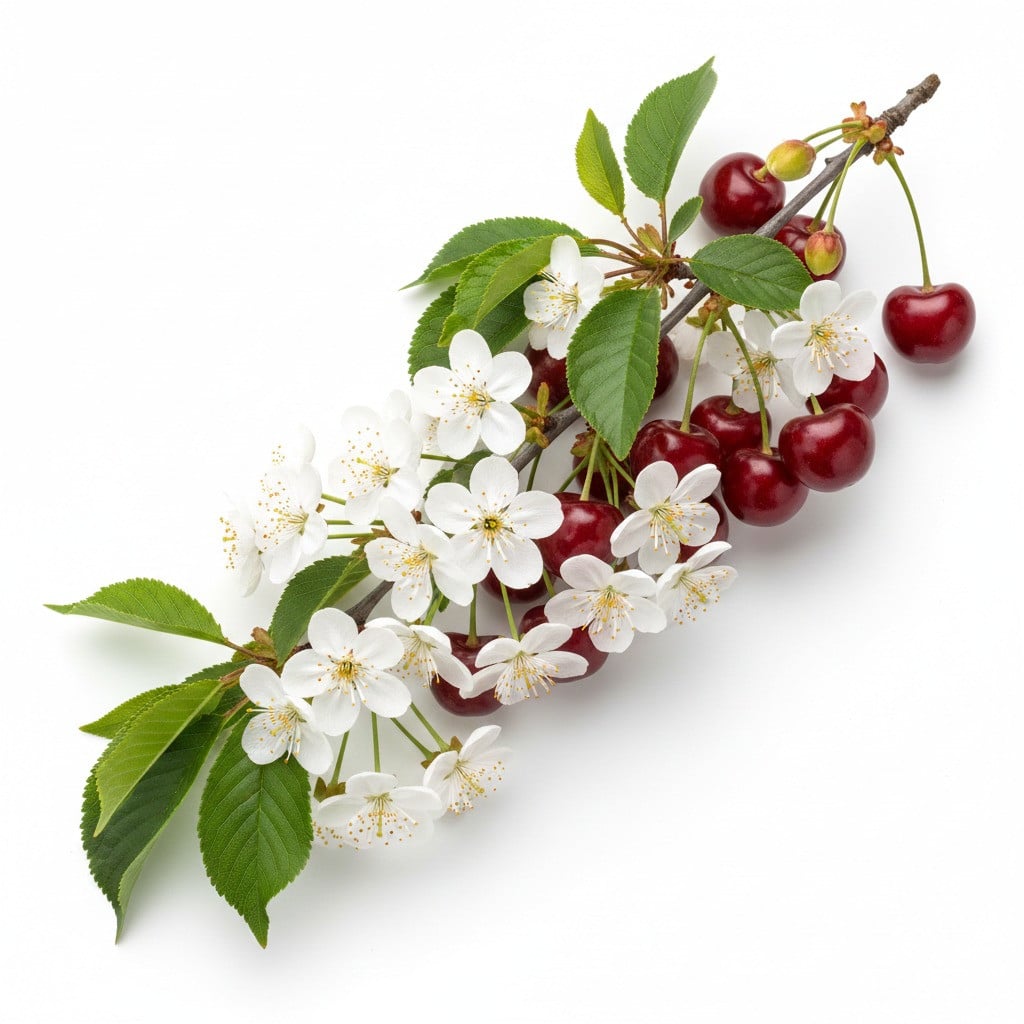
Sauerkirsche
(Prunus cerasus)
Pflanzenfamilie
Rosengewächse (Rosaceae)
Auch bekannt als
Kirsche
Saisonübersicht
Pflanzung
Ernte
Ernte
J
F
M
A
M
J
J
A
S
O
N
D
1. JAHR
FOLGEJAHRE
Details


Lichtbedarf
Sonnig

Wasserbedarf
Trocken

Boden
Mittelschwer (lehmig)

Nährstoffbedarf
Niedrig

Pflanzabstand
500 cm

Reihenabstand
500 cm

Saattiefe
15 cm
Anleitungen
Beschreibung
Sauerkirschen gehören zur Familie der Rosengewächse. Ihre Früchte haben einen harten Kern bzw. Stein, daher zählen sie zum Steinobst. Sie können als Strauch, Busch oder Baum wachsen und werden bis zu 10 m groß. Im Frühling (April bis Mai) bilden sich die schönen, weißen Blüten – ca. 1 - 2 Wochen nach Süßkirschen. Je nach Sorten können diese selbstbefruchtend oder fremdbefruchtend sein. Die Früchte von Sauerkirschen sind saurer und meist weicher als Süßkirschen.
Herkunft:
Unbekannt, wahrscheinlich Europa aus wilder Vogelkirsche (Prunus avium) und Steppenkirsche (Prunus fruticosa).
Anbautipps
Eine jährliche Gabe von Kompost reicht als Düngung für die Sauerkirsche aus. Ein Weißanstrich vorm Winter macht die dünne, glatte Rinde unanfälliger für Frostrisse. Wässern bei Trockenperioden und regelmäßiges Schneiden sind ebenfalls wichtig. Pflanzttiefe ca. so tief wie Tiefe im Topf. Kann auch im Frühjahr gepflanzt werden. Gut antreten und größere Bäume evtl. an einem Baumpfahl festbinden als Sturmschutz. Bei schweren Böden eine gute Portion (mehrere cm) feinen Kies als Dränage ins Pflanzloch geben. Sauerkirschen sind sehr staunässeempfindlich. Reife Sauerkirschen sind weich und glasig. Die meisten Sauerkirschen sind selbstbefruchtend, manche Sorten brauchen jedoch eine 2. Pflanze zur Befruchtung, auch Süßkirschen eignen sich bei gleicher Blütezeit. Erhaltungsschnitt idealerweise direkt nach dem Ernten.


Schlechte Nachbarn
Keine schlechten Nachbarn vorhanden

Krankheiten
Keine Krankheiten vorhanden
Schädlinge
Frostspannerraupen
Blattläuse