9.3 m²
22 species
Single-Year

Kinderacker von Acker e.V.
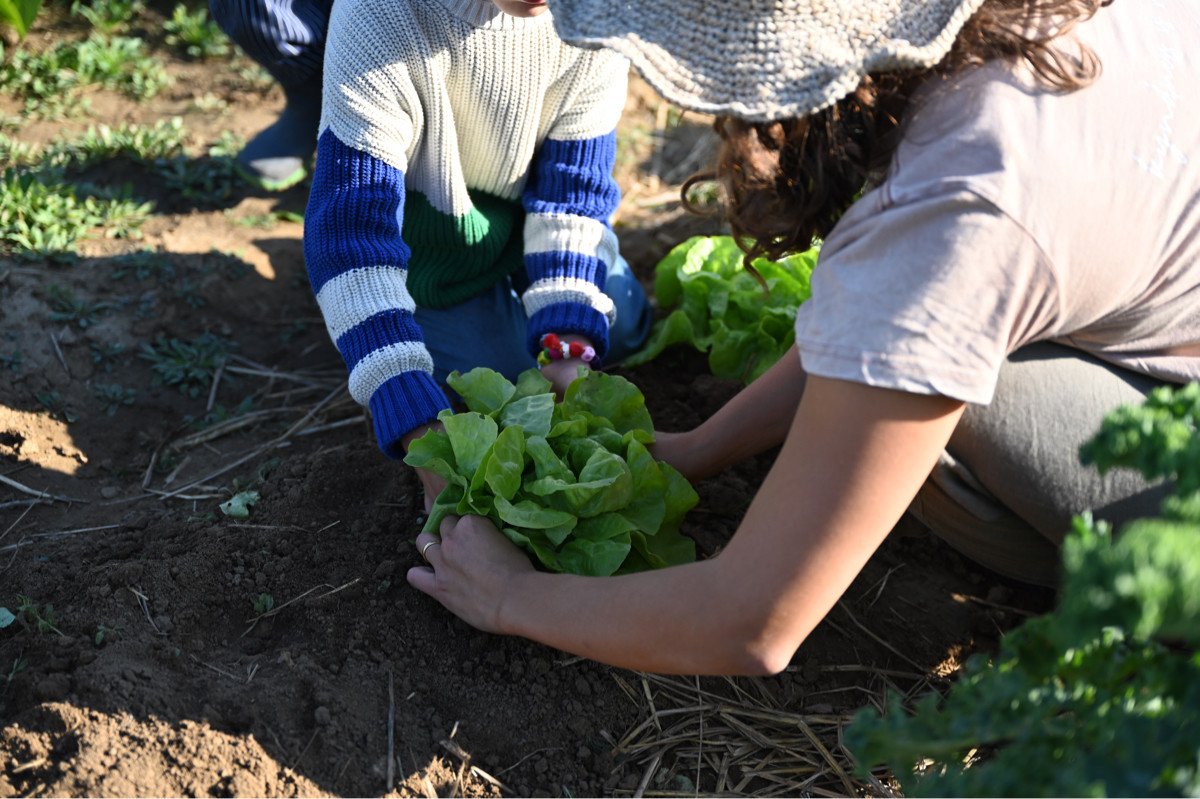
This planting plan is specially designed for growing vegetables with children. The beds are designed to be 80 cm wide so that children can easily reach the center from both sides. In addition, the paths between the beds should be around 40-50 cm wide so that young and old gardeners can move between the beds and crops. A colorful mixture of varieties and species can be found in the beds so that you can experience a wide variety of vegetables growing in pure or mixed cultivation.
(Automatically translated)
Show original
43 times used
Recommended by Fryd
10
40
2
Preview
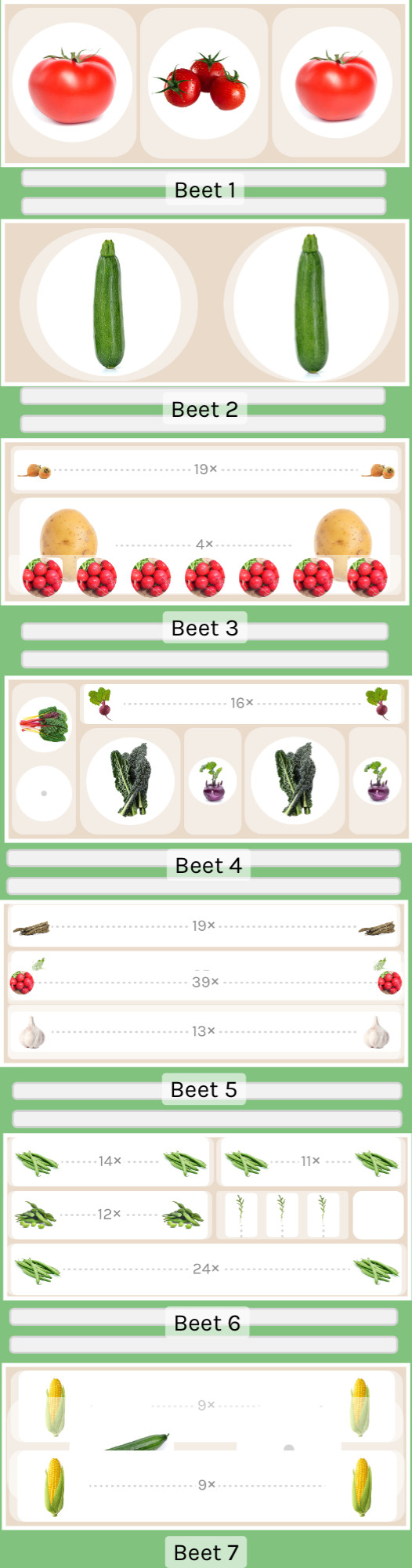
Plants included

Zucchini
Tomate (Stabtomate)
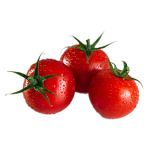
Tomate (Cocktail Stabtomate)
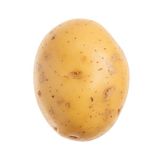
Kartoffel
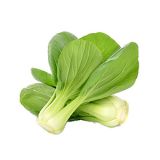
Pak Choi

Mairübe

Radieschen
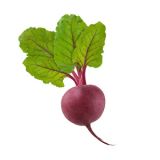
Rote Bete
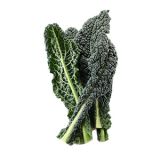
Blattkohl (Palmkohl)
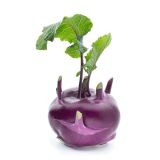
Kohlrabi
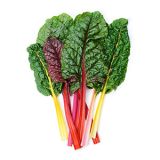
Mangold
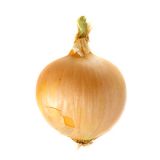
Zwiebel
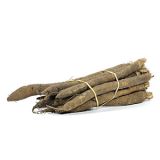
Schwarzwurzel
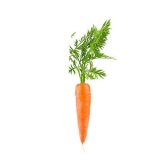
Möhren
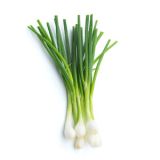
Zwiebel (Frühlingszwiebel)
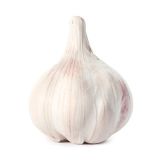
Knoblauch
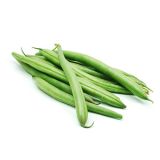
Bohne (Buschbohne)
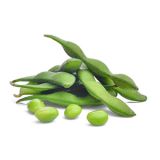
Sojabohne

Rucola

Kresse

Mais
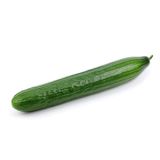
Gurke
Zucchini
Cucurbita pepo var. cylindrica
Tomate (Stabtomate)
Solanum lycopersicum
Tomate (Cocktail Stabtomate)
Lycopersicon esculentum
Kartoffel
Solanum tuberosum
Pak Choi
Brassica rapa subsp. narinosa
Mairübe
Brassica rapa L. var. Rapifera
Radieschen
Raphanus sativus var. sativus
Rote Bete
Beta vulgaris
Blattkohl (Palmkohl)
Brassica oleracea var. palmifolia
Kohlrabi
Brassica oleracea var. gongylodes
Mangold
Beta vulgaris subsp. vulgaris
Zwiebel
Allium cepa
Schwarzwurzel
Scorzonera hispanica
Möhren
Daucus carota ssp. sativus
Zwiebel (Frühlingszwiebel)
Allium fistolosum
Knoblauch
Allium sativum
Bohne (Buschbohne)
Phaseolus vulgaris var. nanus
Sojabohne
Glycine max
Rucola
Eruca sativa
Kresse
Lepidium sativum
Mais
Zea mays
Gurke
Cucumis sativus

Acker e.V.
Acker e.V. agiert an der Schnittstelle von Bildung, Landwirtschaft, Umwelt und Ernährung. Rund 170 Mitarbeiter:innen und über 430 Honorarkräfte und Ehrenamtliche setzen sich im DACH-Raum für mehr Wertschätzung von Natur und Lebensmitteln in der Gesellschaft ein. Dafür bieten sie verschiedene Bildungsangebote für Kinder und Erwachsene an.
Region

