hornbeams

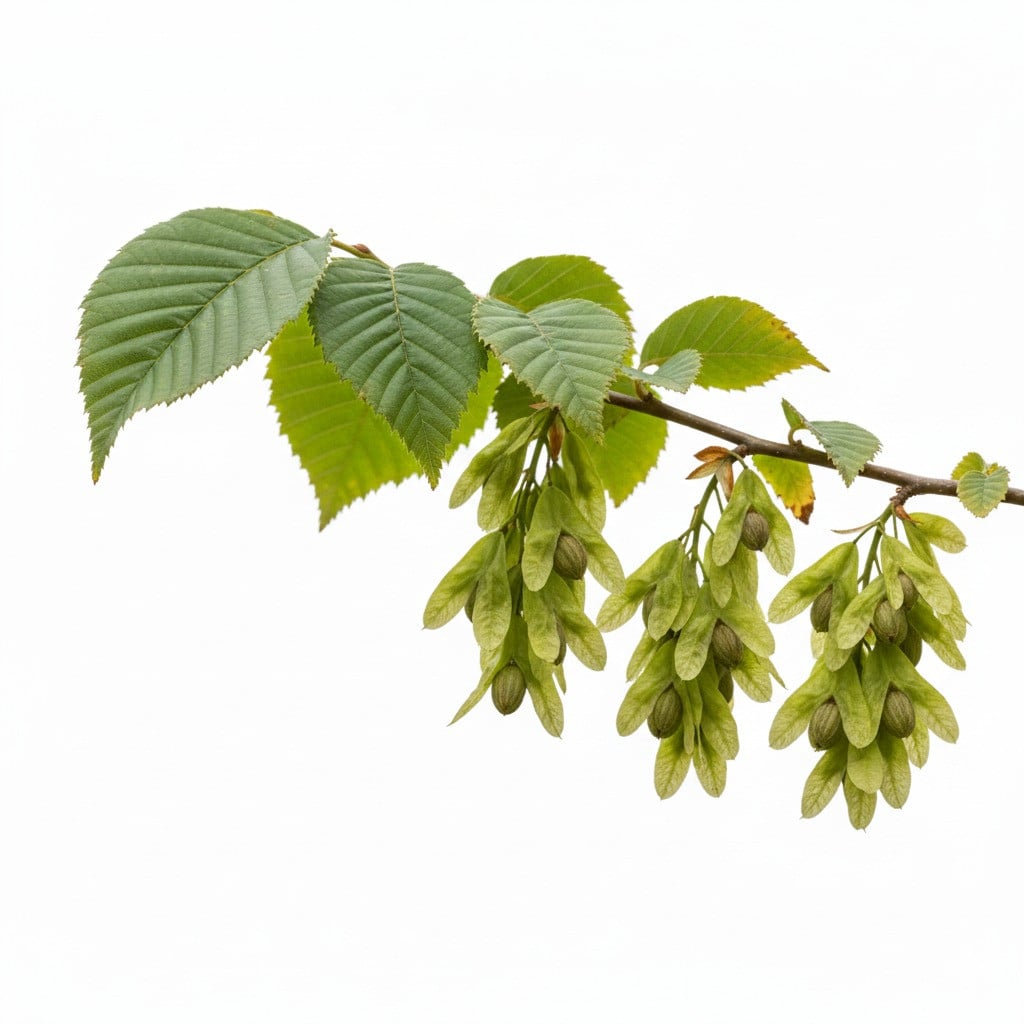
hornbeams
Carpinus
Plant family
Birch family (Betulaceae)
Season Overview
Propagating
Planting
Harvest
Harvest
J
F
M
A
M
J
J
A
S
O
N
D
1ST YEAR
FOLLOWING YEARS
Details


Light requirement
Sunny

Water requirement
Moist

Soil
Medium (loamy)

Nutrient requirement
Medium

Plant distance
40 cm

Row spacing
30 cm

Seeding depth
1 cm
Instructions
Description
The hornbeam, also known as the white beech, is a native deciduous tree from the birch family. It is widespread throughout Central Europe and is characterized by its great adaptability and robustness. The hornbeam prefers fresh, nutrient-rich soil and thrives in both sun and partial shade. With its dense, easily pruned growth, it is one of the most popular plants for hedges and topiary. In autumn, its foliage turns warm shades of yellow to brown and often stays on throughout the winter, providing additional privacy. Even as a single tree, it impresses with a beautiful, even crown and hard, tough wood, which was often used for tool handles or firewood in the past. The hornbeam is easy to care for, wind and frost hardy, making it an ideal tree for gardens, parks and landscapes.
Growing tips
Hornbeam is easy to grow from seeds, seedlings or young plants. It is best planted in early spring or fall in fresh, humus-rich, well-drained soil. Young plants should be watered regularly in the first few years, especially in dry conditions. For hedges, a planting distance of 25-50 cm is recommended, depending on the desired density. Hornbeam tolerates pruning very well, so it can be pruned early to create a dense hedge or an even crown. Occasional fertilizing with compost or organic fertilizer supports healthy growth.


Antagonistic Plants

Diseases
Root Rot
Septoria
Powdery mildews
Pests
Leaf-miner flies
Aphids