Golden Bantam

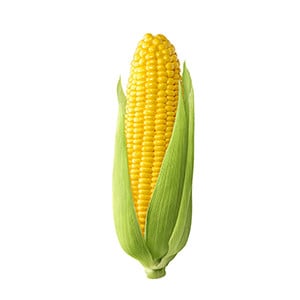
Variety
Golden Bantam
Approved Data
Features
Growth habit
lifespan: annual
harvest: continuously pickable
fast growth
warm germination
Nutzungsart: Ur-/Alte Sorte
growth habit: upright slender
growth habit: Support for Climbers
root type: deep-rooted
panicle-shaped flower
growth habit: slightly arching
height: 160 - 180 cm
wide: 20 - 30 cm
grass-like leaves
entire leaves
small flowers
spicate flowers
large leaves
strong growth
weak lateral shoot development
propagation by seeds
limited growth
leaves slim
perennial
wind pollination
hand pollination
Nutzungsart: Mischkultur
Summer variety
Blätter: zugespitzt
Geschlechtertyp: einhäusig
Ernte: mittelreifend
Keimung: Dunkelkeimer
Blätter: einfach
Blätter: länglich
Leaves: slightly hairy
Ernteertrag: mittel
Vermehrung: samenfest
Blütenstand: kolbenförmig
Geschlecht: getrenntgeschlechtlich
Wurzeltyp: Adventivwurzeln
growth habit: high
Taste
aromatic
crunchy
raw edible
Edible
pleasant
tender
A little floury
Essbarkeit: Samen
Toxizität: ungiftig
Konsistenz: mittelfest
Aroma: Mais
Location
planting: greenhouse
planting: bed
planting: outdoor
Heat requirement: high
sheltered from the wind
planting: house wall / wall
Soil: permeable soil
soil moisture: no waterlogging
fertilization: high
Fertilization: nutrient-rich
fertilization: humus-enriched
Soil: Well fertilized
soil moisture: moist
light: Full sun
soil moisture: well-drained
Water: regularly
Soil: deep
wind: airy
Soil: light to medium-heavy
Soil: sandy to loamy
Soil: loosened
fertilization: potassium-rich
Water: Adequate
Light: Sun
Planting: frost-free
pH value: neutral (7)
Water: moderately
Fertilization: nitrogen-rich
Fertilization: organic
Düngemittel: Pflanzenjauche
Düngung: kalktolerant
Biotop: Feld
Pflanzung: Bauerngarten
Düngung: Langzeitdünger
Düngemittel: zweimalig Kompost
Düngemittel: Hornspäne
Good companions: moisture-loving
Nachbarn schlecht: trockenheitsliebend
Nachbarn schlechte: Schattenpflanzen
Nachbarn schlechte: kalkliebend
Good companions: sun-loving
Nachbarn schlechte: stark wuchernd
Nachbarn schlechte: hoher nährstoffbedarf
Nachbarn gute: mit niedrigen Nährstoffbedarf
Nachbarn gute: hochwachsend
Nachbarn gute: niedrigwachsend
Düngung: NPK 5/7/10
Pflanztechnik: Mulchen
Pflanztechnik: Milpa
Düngung: NPK 12/4/6
Pflanzung: Gewächshaus
Herkunft: Züchtung
Düngung: NPK 10/5/8
Düngemittel: Mist, Dung
Fruit shape
elongated
large
Resistances
robust
Color
golden yellow
pink-red
medium green
yellow-green
Blätter: dunkelgrün
Oberfläche: matt
Frucht: gelb
Blüte: hellgrün/blassgrün
Frucht: dunkelgelb
Stamm, Stiel: grün
Wurzel: weiß
Wurzel: cremeweiß
Wurzel: grünlich
Samen: gelb
Wurzel: beige
Behaarung: weiß
Oberfläche: rau
Blattrippen: hellgrün
Stamm, Stiel: gelbgrün
Cultivation Break
3 Years
Season Overview
Propagating
Planting
Harvest
J
F
M
A
M
J
J
A
S
O
N
D
Description
The quality of the cobs is very good, if harvested in time in the milk ripeness. At this time, the grains are already yellow, when scratched with a thumbnail creamy milky liquid comes out. Pleasant, sweet taste. The conversion of sugar into starch occurs relatively quickly after harvest.
Non hybrid
Not frost resistant
Growing tips
Block cultivation in as square a shape as possible is advantageous because of better pollination. Traditional variety.
Details


Light requirement
Sunny

Water requirement
Moist

Soil
Light (sandy)
Nutrient requirement
High

Dark germinator

Germination temperature
12 - 14 °C (Degrees Celsius)

Plant distance
20 cm

Row spacing
50 cm

Seeding depth
3.5 cm

Companion Plants
Basil
Bean ((Scarlet) runner bean)
Bean (Broad bean / Faba bean / Field bean)
Bean (Dwarf bean)
Bean (Hyacinth bean / Lablab-bean)
Bean (Lima Bean)
Bean (Runner bean)
Common marigold
Courgette / Zucchini
Cucumber (African horned cucumber / Kiwano)
Cucumber (Caigua)
Cucumber (Melothria)
Cucumber / Gherkin
Dill
Lettuce (Lettuce)
Melon (Sugar melon)
Melon (Watermelon)
Ornamental pumpkin
Pea
Potato
Pumpkin / Squash
Soybean
Sponge gourd / Egyptian cucumber / Vietnamese luffa
Sunflower
Tagetes / Marigolds

Antagonistic Plants
Abyssinian cabbage / Ethiopian mustard
Beetroot
Black salsify
Broccoli
Broccoli raab / Stem cabbage / Cima di rapa
Brussels sprouts
Cabbage (Cabbage)
Cabbage (Pointed cabbage)
Cabbage (red cabbage)
Cabbage (Savoy cabbage)
Cauliflower
Celery (Celeriac / Celery root)
Celery (Celery)
Celery (Leaf celery / Chinese celery)
Chinese kale - Kai-lan / Chinese broccoli
Chives
Collard greens
Collard greens (Kale)
Collard greens (Tuscan kale / Dinosaur kale / Palm tree kale)
Garlic
Garlic chives
Jerusalem artichoke / Topinambur
Kohlrabi / German turnip / Turnip cabbage
Leeks
Lovage
Mizuna / Japanese mustard greens
Napa cabbage / Chinese cabbage
Onion
Pak Choi
Rapeseed - Sheer cabbage / Siberian cabbage
Rapini / Broccoli rabe
Rutabaga / Swedish turnip
Sea coal
Tomato (Bush tomato)
Tomato (Cocktail bush tomato)
Tomato (Cocktail Stake Tomato)
Tomato (Stake tomato)
Turnip
Turnip greens - Choy Sum / Chinese flowering cabbage
Turnip greens - Mizuna
Turnip greens - Tatsoi
Turnip-rooted chervil
Turnips - Oilseed turnips
Turnips - Wild turnips
Vegetable cabbage - Forage cabbage
Vegetable cabbage - Ribbed cabbage / Portuguese cabbage
Vegetable cabbage - wild cabbage / ancient cabbage
Wild garlic

Diseases
Root Rot
Fusarium
Angular leaf spot of cucumber
Pests
Caterpillars
Aphids
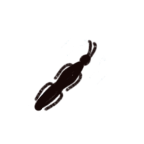
Wireworms