Malinowy Ozarowski / Himbeerfarbene aus Ozarow

Variety
Malinowy Ozarowski / Himbeerfarbene aus Ozarow
Approved Data
created by Nadine C. at 27.03.2023
Seed packet
Features
Fruit shape
flat round
Location
planting: greenhouse
planting: bed
planting: outdoor
Resistances
Blight resistant
Late blight resistant
Taste
aromatic
sweetish
Growth habit
growth habit: high
harvest: profitable
Color
light red
Cultivation Break
4 Years
Season Overview
Propagating
Planting
Harvest
J
F
M
A
M
J
J
A
S
O
N
D
Description
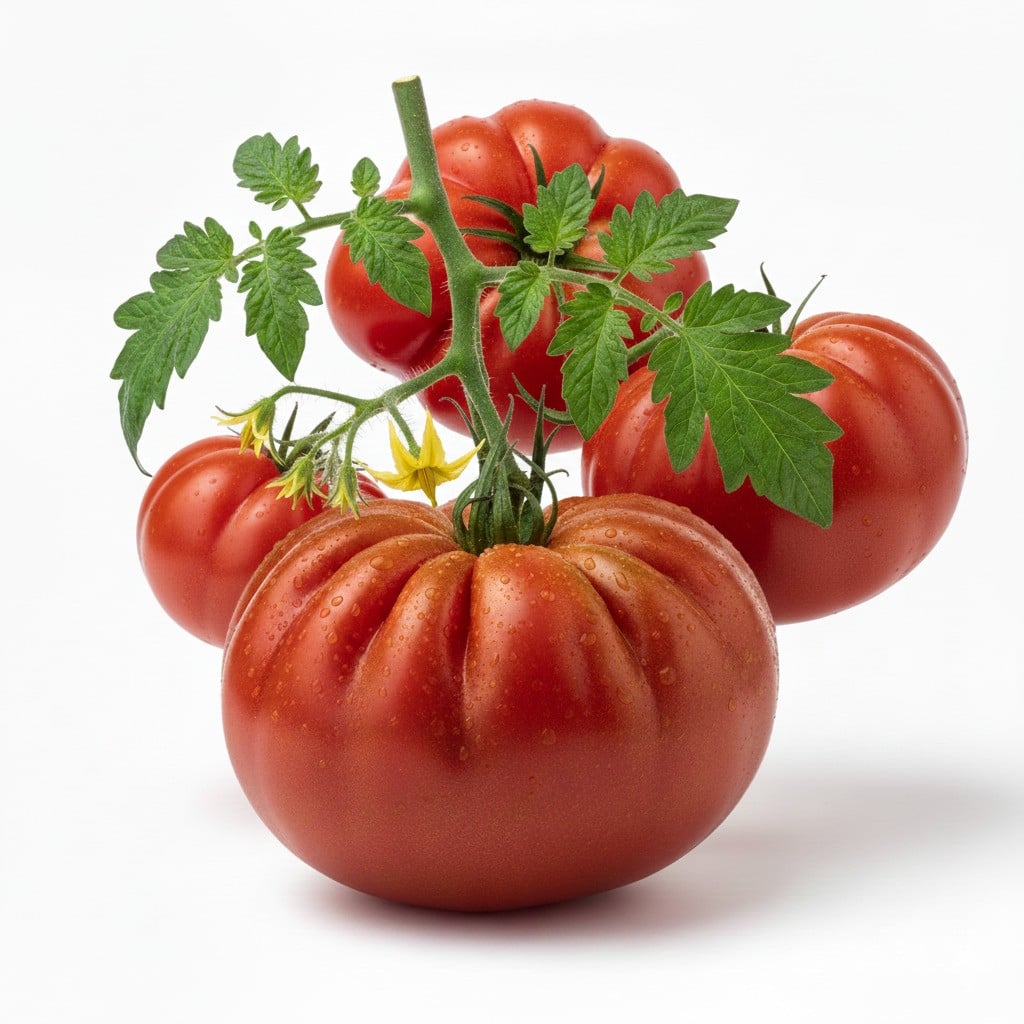
Old Polish variety for early harvest. Beautifully shaped, round-flattened fruits in raspberry color and uniform size (100-200 g). Very tasty, sweet and full of tomato flavor. The flesh is firm but melt-in-the-mouth, and the skin is also tender. The plants grow potato-like, have a natural resistance to late blight, grow up to 2 m/2.2 yd high and produce good yields. The name means "raspberry-colored from Ozarow", a town in southern Poland. For cultivation in the greenhouse. Perfect for fresh consumption.
Non hybrid
Not frost resistant
Growing tips
Tomatoes require a lot of light, warmth, water and nutrients. They are grown from seed on the windowsill from March. The seedlings should be planted deep, up to the first leaf base, so that the root system is enlarged by additional lateral roots. Unlike most other crops, tomatoes should always be planted in the same place. The plants also need wooden/corrugated wire rods or a trellis to which you regularly tie them. This is the only way they can support the weight of the fruit. You should regularly break out the side shoots that form in the leaf axils. This is because they do not bear fruit and take away the plant's energy to concentrate on producing lots of fruit. Under-sowing with low-growing plants is a good option.
Details


Light requirement
Sunny

Water requirement
Wet

Soil
Light (sandy)

Nutrient requirement
High

Plant distance
50 cm

Row spacing
70 cm

Seeding depth
1 cm

Companion Plants
Asparagus
Basil
Bean (Dwarf bean)
Bean (Runner bean)
Broccoli
Brussels sprouts
Carrots
Cauliflower
Celery (Celeriac / Celery root)
Celery (Celery)
Celery (Leaf celery / Chinese celery)
Chili
Chives
Chives
Collard greens (Kale)
Collard greens (Tuscan kale / Dinosaur kale / Palm tree kale)
Common marigold
Cress
Garlic
Garlic chives
Kohlrabi / German turnip / Turnip cabbage
Leeks
Lettuce (Common chicory)
Lettuce (Endive / Escarole / Erisée)
Lettuce (Lamb's lettuce)
Lettuce (Lettuce)
Lettuce (Radicchio / Italian chicory)
Lettuce (Sugar loaf)
Mint
Nasturtium
Onion
Onion (Spring onion)
Oregano
Parsley
Pepper / Paprika
Spinach (Summer)
Tagetes / Marigolds

Antagonistic Plants
Abyssinian cabbage / Ethiopian mustard
Arugula / Rocket
Aubergine / Eggplant
Beetroot
Black salsify
Broccoli raab / Stem cabbage / Cima di rapa
Cabbage (Cabbage)
Cabbage (red cabbage)
Cabbage (Savoy cabbage)
Corn / Maize
Courgette / Zucchini
Cucumber (African horned cucumber / Kiwano)
Cucumber (Caigua)
Cucumber (Melothria)
Cucumber / Gherkin
Fennel
Florence fennel / Finocchio
Horseradish
Jerusalem artichoke / Topinambur
Lovage
Melon (Sugar melon)
Melon (Watermelon)
Mustard
Napa cabbage / Chinese cabbage
Oil radish / Fodder radish
Okra
Ornamental pumpkin
Potato
Pumpkin / Squash
Radish
Radishes
Rapini / Broccoli rabe
Sponge gourd / Egyptian cucumber / Vietnamese luffa
Sunflower
Turnip
Turnip greens - Tatsoi
Turnips - Oilseed turnips
Turnips - Wild turnips

Diseases
Root Rot
Dry rot of crucifers
Powdery mildews
Brown rot
Blossomrot
Grey mold
Early blight of potato

Pests
Land snails
Thrips
Aphids
Spider mites
White fly