Quadriceps

Quadriceps
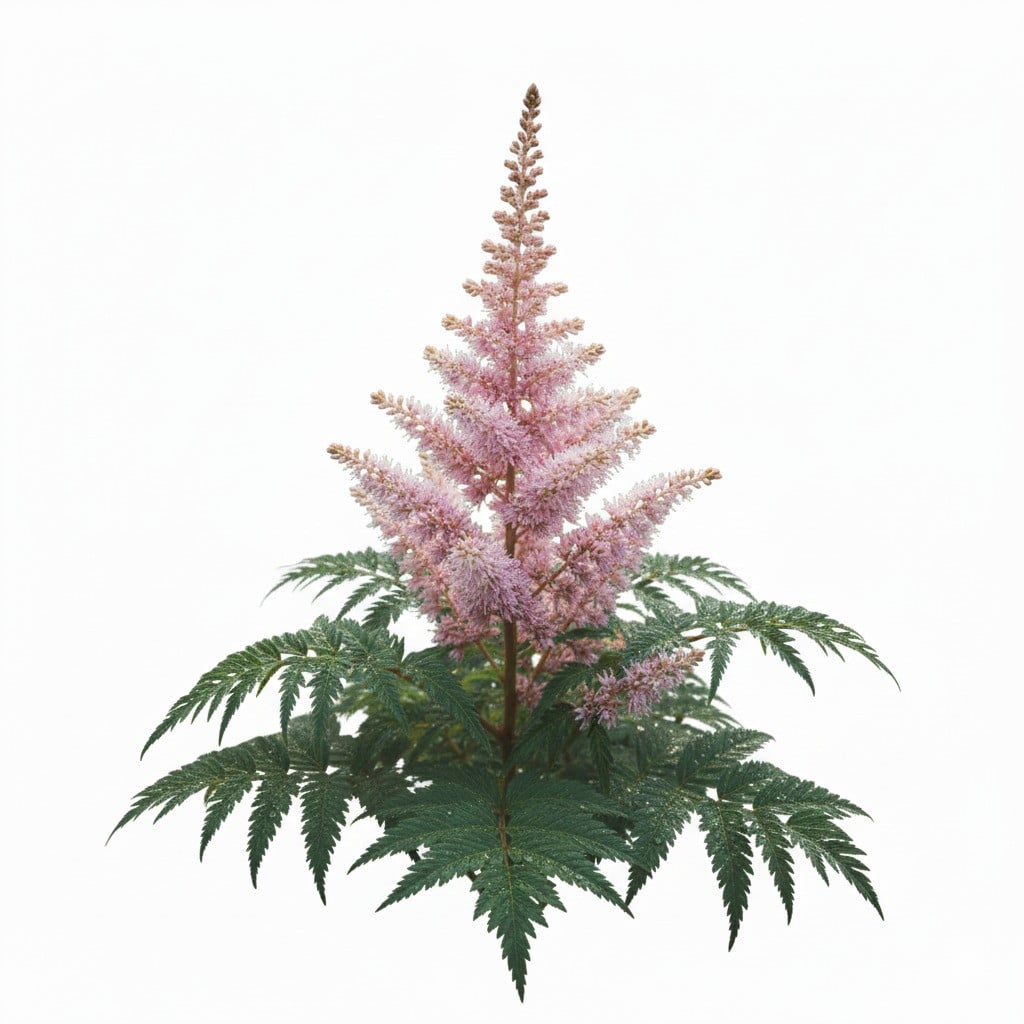
Astilbe
Plant family
Saxifrage family (Saxifragaceae)
Season Overview
Sowing
Harvest
Harvest
J
F
M
A
M
J
J
A
S
O
N
D
1ST YEAR
FOLLOWING YEARS
Details


Germination temperature
18 – 22 °C (Degrees Celsius)

Plant distance
30 cm

Row spacing
40 cm

Seeding depth
0.5 cm
Instructions
Description
Astilben, auch als Prachtspieren bekannt, sind mehrjährige Stauden, die mit ihren auffälligen, federartigen Blütenständen und ihrem filigranen Laub jeden Garten bereichern. Sie blühen je nach Sorte von Juni bis August in kräftigen Farben wie Rosa, Weiß, Rot oder Violett und bilden dichte, aufrechte Rispen, die wie feine Federn wirken. Besonders geschätzt werden Astilben für ihre Fähigkeit, auch schattige und halbschattige Standorte mit Farbe und Struktur zu füllen. Sie bevorzugen feuchte, humusreiche Böden und sind ideal für Beete am Gehölzrand, Teichränder oder als Unterpflanzung von Bäumen. Dank ihrer dekorativen Erscheinung und der langen Blütezeit sind sie nicht nur im Garten, sondern auch als Schnittblumen beliebt. Zudem sind viele Sorten winterhart und pflegeleicht - eine ideale Wahl für naturnahe oder romantische Gärten.
Growing tips
Additional professional tips for growing astilbe 1. slightly acidic soil = better growth Astilbes thrive particularly well in soil with a pH value of 5.5-6.5. If the soil is too calcareous (high pH), they can take care of - 👉 Work in bark humus or acidic compost from coniferous wood! 2. do not combine astilbes with lime-loving plants Astilbes do not get on well with plants that like a lot of lime (e.g. lavender, sage, steppe sage). Better suited as bedding partners: funkia, ferns, rodgersia, woodruff, watering heart. --- 3. shade the root area - keep the soil cool Mulching alone is not always enough - 👉 Plant ground-covering companions (e.g. ivy flower, golden strawberry) to protect the root area from heat. 4. store water in the root area In dry regions: Work in a layer of bentonite, clay powder or water storage granules** before planting - keeps moisture in the soil for longer. 5. astilbe in a tub? Only with a trick! Choose large pots (min. 10-15 liters), preferably clay instead of plastic (to prevent evaporation). Mix a layer of rotted leaves or coconut fibers under the soil = better water retention. 6. astilbes react to excess nitrogen with lazy flowering Too much nitrogen → Lush foliage, but few or no flowers. Therefore: More potassium and phosphorus, less pure nitrogen fertilizer! 7. astilbes in the shade flower longer In full sun, flowering is shorter, often only 2 weeks. In partial shade or light shade: Flowering time is often twice as long! 8. leave wilted flowers for fall effect The dry inflorescences remain decorative into the winter 👉 Can be used in late fall to add structure to the bed.

Companion Plants

Antagonistic Plants

Diseases
Grey mold
Root Rot
Downy mildew
Powdery mildews

Pests
Land snails
Aphids
Spider mites