Maples

Maples
Acer
Plant family
Soapberry family (Sapindaceae)
Season Overview
Planting
Harvest
J
F
M
A
M
J
J
A
S
O
N
D
1ST YEAR
FOLLOWING YEARS
Details


Light requirement
Sunny

Water requirement
Moist

Soil
Medium (loamy)

Nutrient requirement
Medium

Dark germinator

Germination temperature
15 – 20 °C (Degrees Celsius)

Plant distance
800 cm

Row spacing
800 cm

Seeding depth
1.5 cm
Instructions
Description
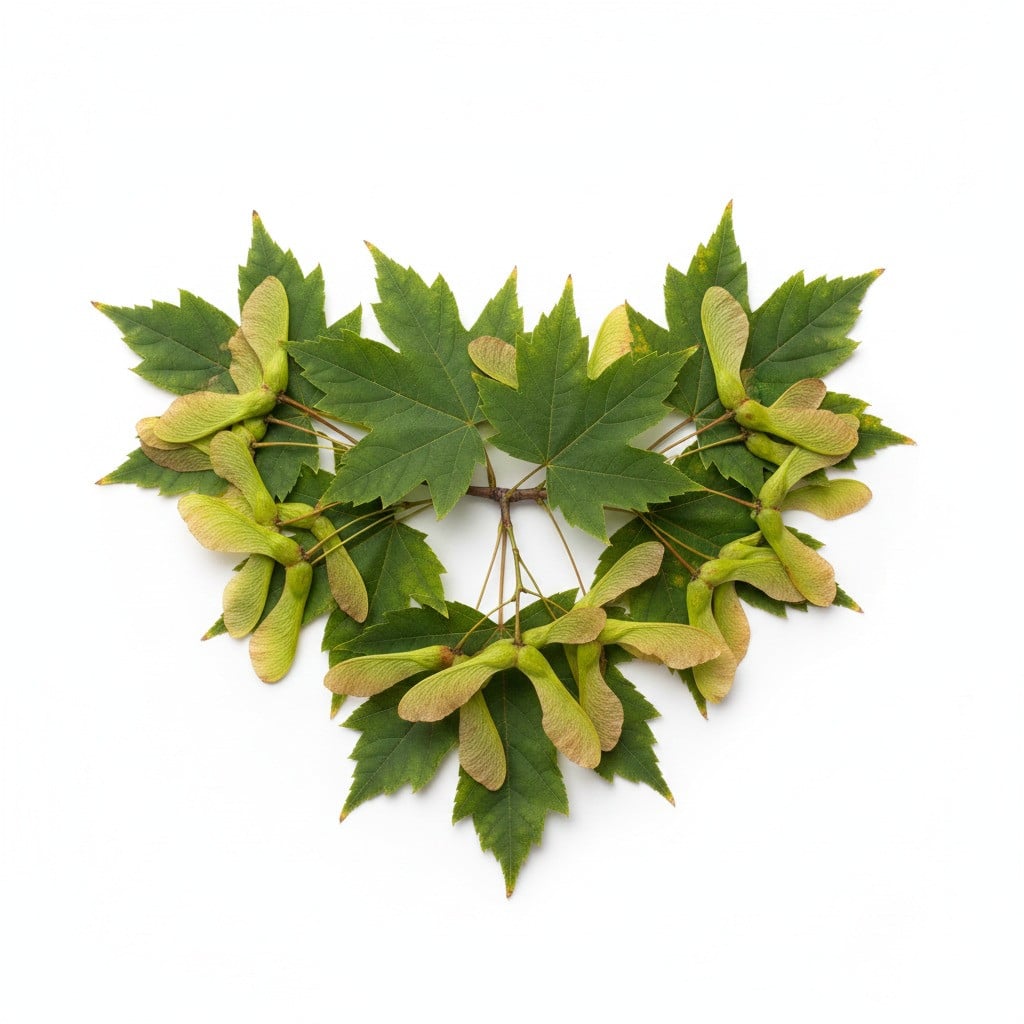
The genus of maples (bot. Acer) belongs to the subfamily of the horse chestnut family (Hippocastanoideae) within the soap tree family (Sapindaceae) in the order of the soap trees (Sapindales). The genus comprises 110 to 200 species, the classification within the genus is the subject of recurring controversial discussions. In the past, the genus maple belonged to the independent maple family (Aceraceae). Only recent molecular biological studies have shown that the genus belongs to the subfamily Hippocastanoideae. The best-known representative of the genus worldwide is the sugar maple (Acer saccharum). It is the symbol of Canada and has adorned the Canadian flag since 1965. In German-speaking countries, the best-known representatives are the Norway maple (Acer platanoides), the field maple (Acer campestre) and the sycamore (Acer pseudoplatanus). Maples are among the best-known trees in Germany due to their high recognition value. Leaves The leaves of maples are opposite and are divided into a leaf blade and a usually long leaf stalk. With a few exceptions (cinnamon maple, Acer griseum), the leaf blade is simple and three to five-lobed, with a shape strongly reminiscent of a hand. Some species such as the ash maple (Acer negundo) have a pinnate leaf blade. The edge of the leaves is toothed or smooth. Maples do not form stipules. The foliage of many species has an intense yellowish to reddish color in autumn. At this time of year, the leaves contain an abundance of red pigments (anthocyanins). After the leaves have fallen, these prevent other plants from settling near the tree in spring. Flowering The flowers of maples come together in inflorescences. These have different shapes; they are umbel-like, umbrella-shaped, racemose or paniculate. Acer flowers are unisexual, more rarely hermaphrodite. They are radially symmetrical, five-petaled and have a double perianth. They have four to six sepals and five petals. The flowers predominantly form eight, rarely four to twelve, free-standing stamens. Their carpels grow together to form an upper ovary. Maples form two ovules per carpel, more rarely one. The pistil of maple flowers has two stigmas and is bifid. In the maple genus, there is a differentiation between wind-pollinated (anemogamous) and insect-pollinated (entomophilous) species. Insects pollinate the species that have a discus in their flower. This attracts insects for pollination. Fruit Species of the genus Acer form split fruits, which split when ripe and disintegrate into several sub-fruits. They disintegrate into winged nut fruits (samara), which have a special aerodynamic shape (monopteros). When they fall from the tree, they develop an autorotation which causes the fruits to fall more slowly and the wind distributes them over a larger area. The mature seeds have no nutrient tissue (endosperm) for the plant embryo. This is starchy or oily and has an elongated radicle and two green, folded or flat cotyledons. Growth Depending on the species, the growth form and height vary greatly within the genus. Maples grow as shrubs, small trees, medium-sized trees or large trees. The latter reach a height of up to 35 meters. Species from the Acer genus develop shallow roots, shed their leaves in the fall and grow quickly.
Origin:
temperate and tropical zones of Central and North America, Eurasia and North Africa
Growing tips
Location Maples make few demands on their location. They grow wild in loosely populated mixed forests. They are mainly found at the edge of the forest, as they prefer sunny to semi-shady spots. Acers are true masters of adaptation when it comes to the soil. They thrive on both acidic and calcareous soils. Ideally, the soil should have a good water storage capacity. Maples do not tolerate waterlogging well. The ideal soil for maples is loamy soil. In pronounced dry or hot periods, maples need a regular supply of water. Species of the genus Acer love nutrient-rich soil; humus-rich according to their natural habitat. Utilization Acers offer a wide range of uses. The wood of maples is mainly used to make furniture. The wood of the sycamore maple (Acer pseudoplatanus) is one of the most valuable hardwoods in the world. Table tops made from solid wood, usually unvarnished, for tables in inns are a widespread and well-known use of maple wood. Maple wood is used in the manufacture of musical instruments, is economically relevant in the chipboard industry and is popular as firewood. The North American sugar maple (Acer saccharum) provides the sap for the globally sought-after maple syrup. Silver maple (Acer saccharinum) provides sap that is used to produce sugar. Maple seedlings of most species are suitable for consumption. They are aromatic and rich in nutrients. Many Acer species thrive as ornamental plants in gardens, avenues or parks. Care/pruning In May or June, maples appreciate a mineral fertilizer that slowly dissolves in the soil and cannot be washed out by rainwater. A layer of mulch around the trunk helps to prevent the soil from drying out too quickly. Maples do not require regular pruning as their growth habit is very regular. If a certain growth height is desired or the maple is cultivated as a container plant, individual shoots should be cut out in summer. In winter or fall, the cuts on the plants are too susceptible to fungi or other diseases. Maples are hardy. Nevertheless, tub plants or young plants need protection from heavy frost. Diseases/pests Maples are at risk of fungal infestation on their branches, leaves or bark (scaly porling, pustular fungi, verticillium wilt). This can cause damage to the bark. Cutting the trees leads to infections. Damaged roots or nitrate-rich soil favor infection. Spots on the leaves or discoloration of the leaves indicate white spot disease, maple runicle scab or Diplodina leaf scald. Leaf wasps, jewel beetles and bark beetles, butterfly caterpillars and gall mites can also cause lasting damage to maples. Infestation by mistletoe (Viscum album) is less common.


Antagonistic Plants

Diseases
Powdery mildews
Pests
Caterpillars
Aphids
Gall mites