Verbena, ironweed

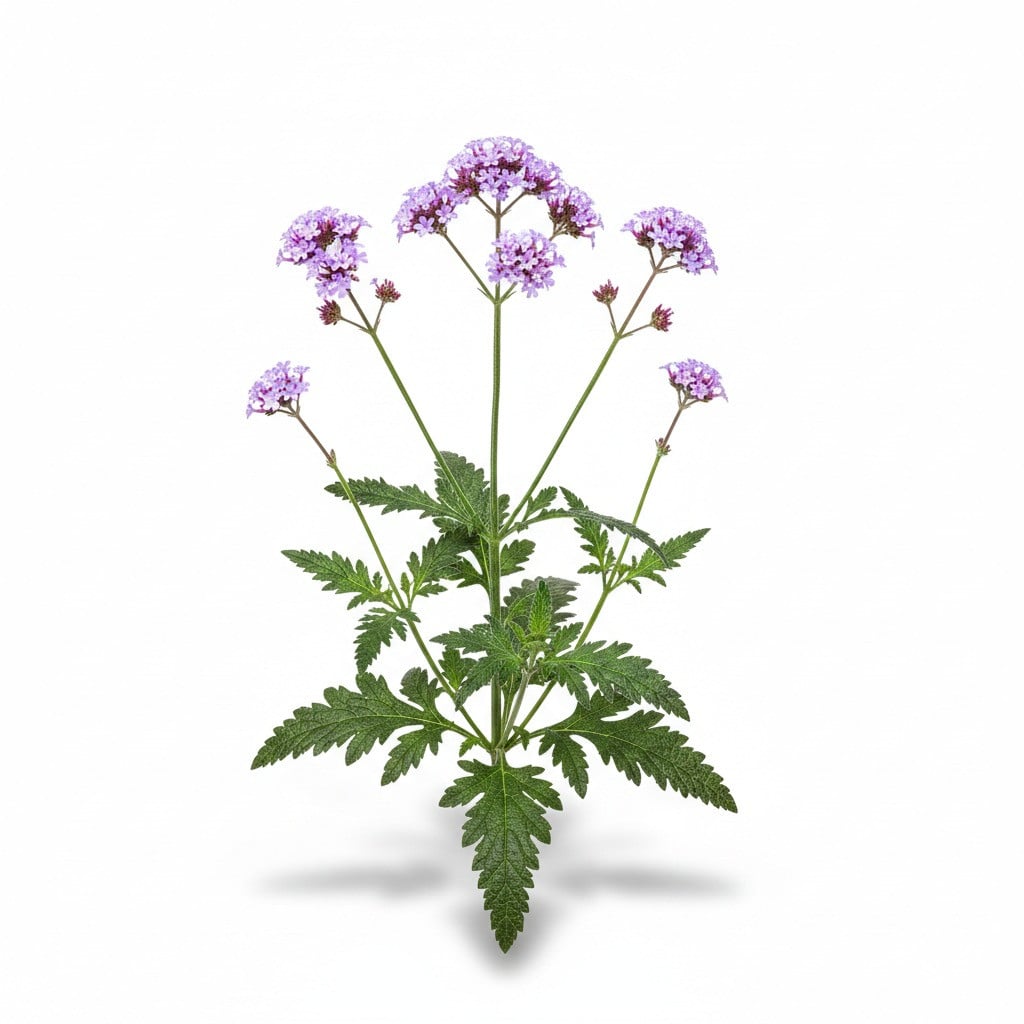
Verbena, ironweed
Verbena
Plant family
Vervain family (Verbenaceae)
Season Overview
Propagating
Planting
Harvest
Harvest
J
F
M
A
M
J
J
A
S
O
N
D
1ST YEAR
FOLLOWING YEARS
Details


Light requirement
Sunny

Water requirement
Moist

Soil
Medium (loamy)

Nutrient requirement
Medium

Light germinator

Germination temperature
18 - 22 °C (Degrees Celsius)

Plant distance
40 cm

Row spacing
40 cm

Seeding depth
0.2 cm
Instructions
Description
Verbenas belong to the verbena family (Verbenaceae), which is why they are also known simply as "verbena". Originally from South America, the genus comprises several species and is found all over the world. Even in ancient times, the wild species native to Europe, vervain (Verbena officinalis), was regarded as a plant for casting birth spells and as a remedy for injuries. Various miraculous and protective properties are also associated with verbena in popular mythology. The verbenas available today for container and tub planting are all hybrids with a long history of breeding and cross-breeding. Patagonian verbena (Verbena bonariensis) is also very popular as a short-lived garden perennial. It self-seeds in suitable locations. The simple, sometimes rough-haired leaves of verbena have serrated edges. Their lobed or pinnate appearance provides a dense but airy background for the colorful flower umbrellas. Verbena bears lush flowers in all colors except yellow. The multi-flowered inflorescences appear in attractive umbrella-shaped to spherical umbels. The striped or star-shaped flowers from the 'Voodoo Star' series and the two- and multi-colored varieties of the 'Lanai Twister' and 'Wicked' series are extremely decorative. Verbena flowers from May until the first frost.
Origin:
Europe, Asia, Africa, South America, North America, Australia
Growing tips
Verbenas are not particularly demanding when it comes to their location. It should be sunny and warm, and even tolerate summer heat well. Newer cultivars are extremely stable, even wind and rain do not affect the delicate waves of flowers. The substrate should be slightly acidic, humus-rich, slightly moist and well-drained. A good potting soil and a south-facing position are ideal for planting in a tub or balcony box. Planting verbena is not rocket science. The summer bloomers can be planted almost all season long. However, as verbena is extremely sensitive to frost, you should plant it after the Ice Saints at the earliest. Observe the planting distances indicated on the plant pot (between 25 and 50 centimetres). The planting hole in the bed should be filled with a little compost. A layer of mulch reduces the water requirement. Verbena is best planted in small tufts as a summer bedding plant, as they quickly form a dense carpet of flowers. When planting in containers or balcony boxes, a drainage layer of expanded clay is advisable. Provided with fresh potting soil, the balcony stars will usually flower continuously in a sunny spot until frost. Verbena is an undemanding, repeat-flowering plant and is therefore well suited to beginner gardeners and balcony gardeners. In order for verbena to thrive, all it really needs is regular watering and fertilizing. On a hot summer's day, this can be up to 1.5 liters of water per plant. The soil in the container must not dry out or become waterlogged. Standing water in the saucer should therefore always be poured off immediately. You can promote the regrowth of new flower balls by constantly removing wilted flowers. Regular weekly fertilizing with a liquid flowering plant fertilizer promotes the development of new flower buds.


Antagonistic Plants

Diseases
Root Rot
Grey mold
Powdery mildews
Pests
Land snails
Spider mites
Aphids
White fly