Currykraut

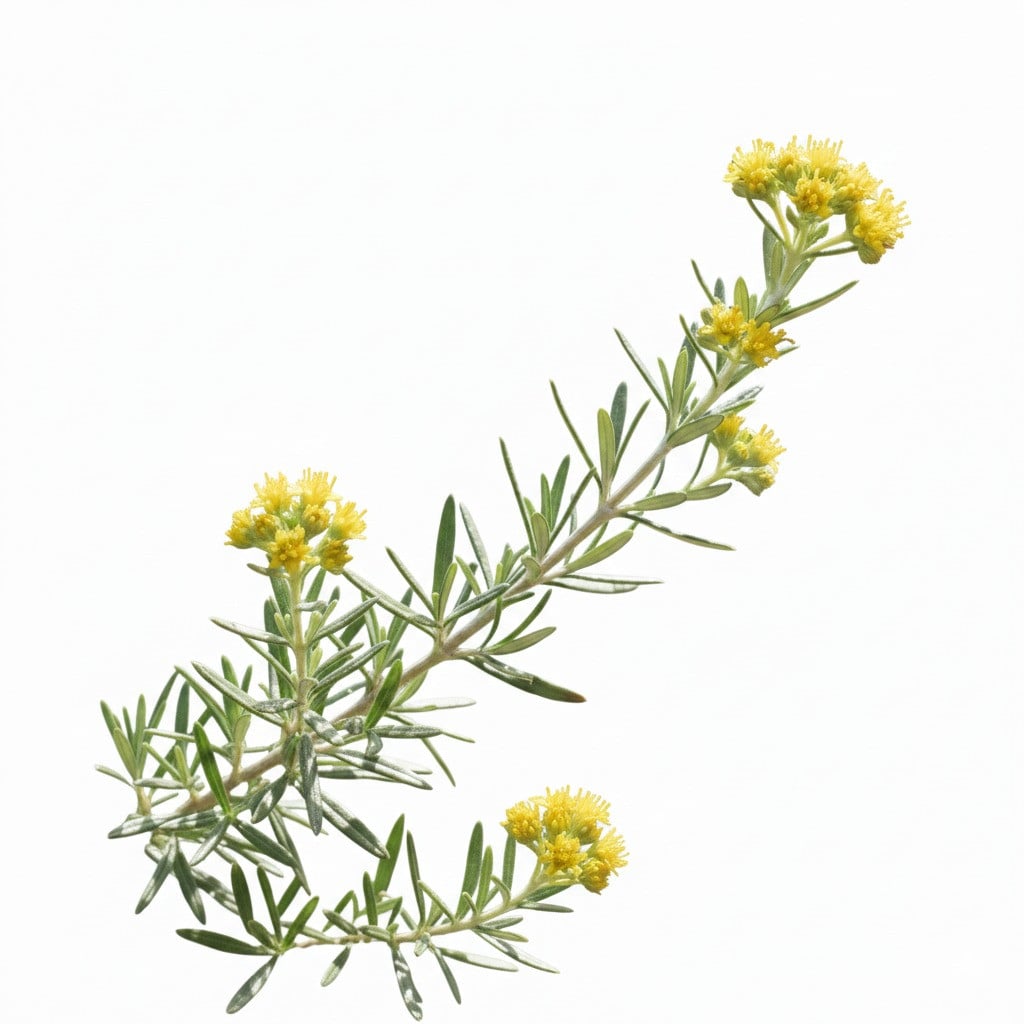
Variety
Currykraut
Approved Data
created by Jessi1 at 04.09.2021
Features
Growth habit
lifespan: perennial
strong lateral shoot development
warm germination
subshrub
growth habit: upright-bushy
self-seeding
flower: continuous bloomer
height: 50 - 60 cm
wide: 30 - 40 cm
propagation by cuttings
growth habit: upright flower stems
propagation by seeds
herbs
Nutzungsart: Mischkultur
Keimung: Lichtkeimer
Wuchs: nicht invasiv
Schnitt: Auslichtung
Schnitt: Verjüngung
Schnitt: Form
Schnitt: zeitiges Frühjahr
Blütenform: korbblütig
Life cycle: sprouts in spring
Vermehrung: samenfest
Location
planting: bed
planting: outdoor
planting: raised bed
Soil: regular garden soil
Soil: gravelly to sandy
Soil: light to medium-heavy
planting: open balcony or terrace
planting: covered balcony or terrace
Gartenstil: Kräutergarten
Soil moisture: moderately dry to fresh
Planting: rock garden / alpine garden
Planting: frost-protected
Planting: pots, tubs, or boxes
Light: Sun
Water: moderately
planting: herb spiral
Boden: kalkhaltig
Pflanzung: Bauerngarten
Pflanzung: Staudenbeet
Gartenstil: Duftgarten
Color
Flower yellow
Blätter: silbergrau
Season Overview
Propagating
Planting
Harvest
J
F
M
A
M
J
J
A
S
O
N
D
Description
The curry herb is good for seasoning or as a tea. It is best only briefly enticed, because it quickly tastes bitter. Before flowering from May, it has the best flavor, but can also be harvested during or after flowering. harvest. If you dry it, it tastes very bitter. But can be used decoratively as a dried flower. It is hardy to about - 5 degrees and should only be overwintered with protection. However, it is easy to propagate by seed or cuttings.
Non hybrid
Frostproof
Growing tips
Curry herb requires little care and no fertilizer. It likes warm temperatures and can do well with little water.
Details


Plant distance
30 cm

Row spacing
30 cm

Seeding depth
0Not specified

Companion Plants

Antagonistic Plants

Diseases
Grey mold
Downy mildew
Pests
Leaf-miner flies
Aphids