Phlox, flame flower

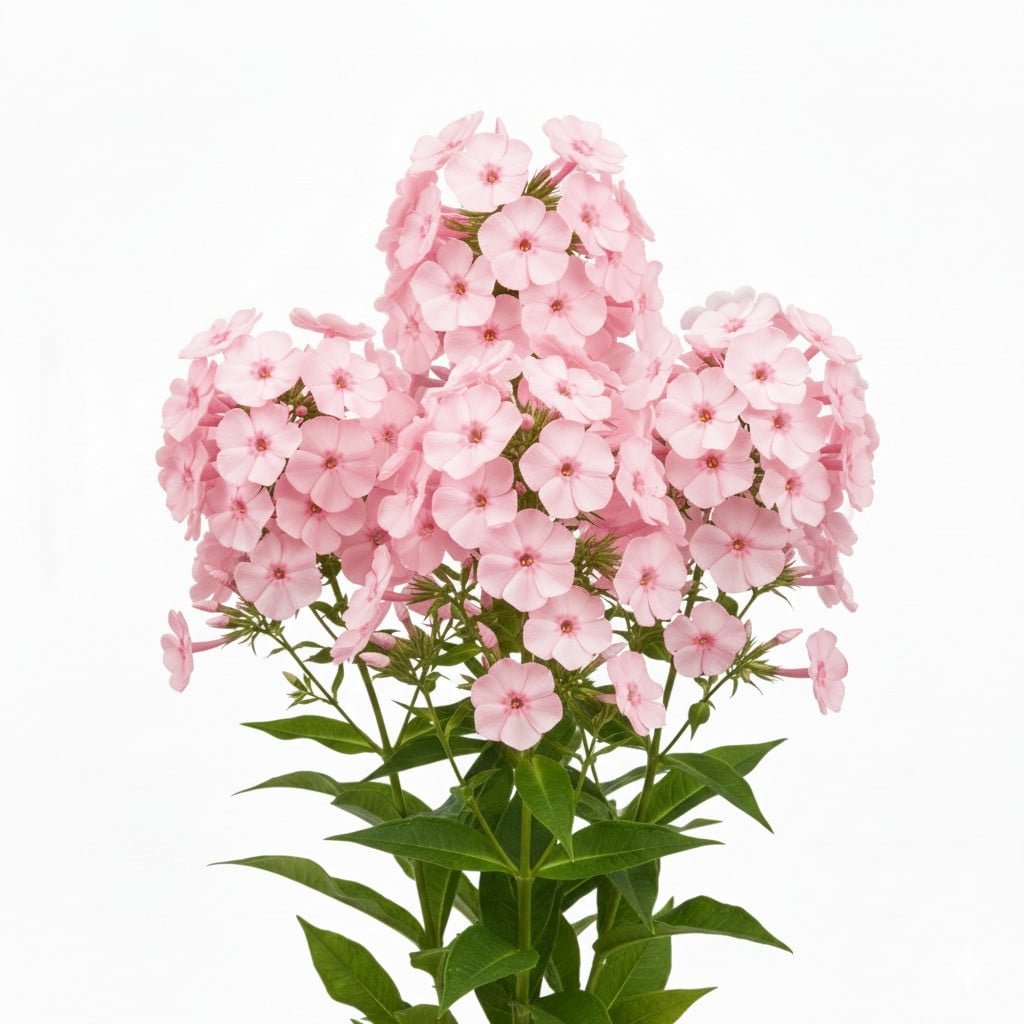
Phlox, flame flower
Phlox
Plant family
Season Overview
Sowing
Harvest
Harvest
J
F
M
A
M
J
J
A
S
O
N
D
1ST YEAR
FOLLOWING YEARS
Details


Light requirement
Sunny

Water requirement
Moist

Soil
Medium (loamy)

Nutrient requirement
High

Plant distance
30 cm

Row spacing
30 cm

Seeding depth
0.2 cm
Instructions
Description
Most amateur gardeners know flame flowers primarily by their botanical genus name, phlox. The best known is the tall flame flower (Phlox paniculata), a classic cottage garden perennial that belongs to summer like the sun. During the middle of the year, it blooms tirelessly and colorful, spreading its unmistakable, summery scent. However, the large phlox family has many other species to offer that will find a suitable spot in almost any garden. With phlox, you can create a garden that is in glorious continuous bloom from spring until the first frost. Phlox are a genus of plants from the Polemoniaceae family and are almost exclusively native to North America. The Siberian phlox (Phlox sibirica) is the only species that is also native to northern Asia. The most popular species for the classic perennial border originate from the river valleys of North America and are characterized by countless, mostly fragrant flowers and symmetrical inflorescences, which makes them incredibly decorative. In addition to the well-known tall perennial phlox (Phlox paniculata), there are around 60 other phlox species, many of which are suitable for the garden. Another group are the cushion-like growing flame flowers such as the cushion phlox (Phlox subulata) and the rambling phlox (Phlox stolonifera). Due to its enormous popularity, phlox has been cultivated as a garden plant since the 18th century and the number of available varieties is now in the three-digit range. The sometimes annual (e.g. Phlox drummondii), but mostly perennial herbaceous plants are available in a wide range of varieties. From prostrate creeping species (e.g. Phlox subulata) to one meter high perennials (e.g. Phlox maculata), every growth form is represented in the Phlox family. Many species bear their flowers in large panicles on stems above opposite, simple green foliage leaves. The color palette of phlox focuses on shades of pink and rose, but is extended by white, purple, blue (for example Phlox paniculata 'Blue Paradise') and mixed-colored flowers. The aromas of the flame flower range from honey-sweet scents to the smell of violets and a somewhat more bitter herbal aroma, with which the plants attract butterflies and bees in large numbers. But beware: not all phlox species are fragrant! In general, the intensity of the scent of phlox flowers depends on the temperature. The strongest scent develops at the warmest time of day, around midday or in the evening, depending on the location.
Growing tips
The right location for phlox is bright and airy so that the leaves and flowers can dry out quickly after a downpour. Depending on requirements, there are phloxes for partial shade or full sun. The more sun the plants receive, the more lush the flowering and fragrance will be. The soil should be nutrient-rich and well-drained for species that are native to floodplains. Most of these specimens cope well with moist soil, but they do not tolerate waterlogging or permanently wet leaves. The robust large-leaved phlox (Phlox amplifolia) tolerates drought and competition from tree roots quite well. Carpet phlox (Phlox subulata) prefers sandy soil in full sun. Phlox stolonifera (rambling phlox) is not very vigorous and requires open, loose and weed-free soil in light shade.

Companion Plants

Antagonistic Plants

Diseases
Root Rot
Septoria
Angular leaf spot of cucumber
Powdery mildews
Pests
Cicadas
Thrips
Stem borers
Spider mites
Land snails
Nematodes
Aphids